
Reviews
Personal Injury Claims in Smaller Communities Come With Different Challenges

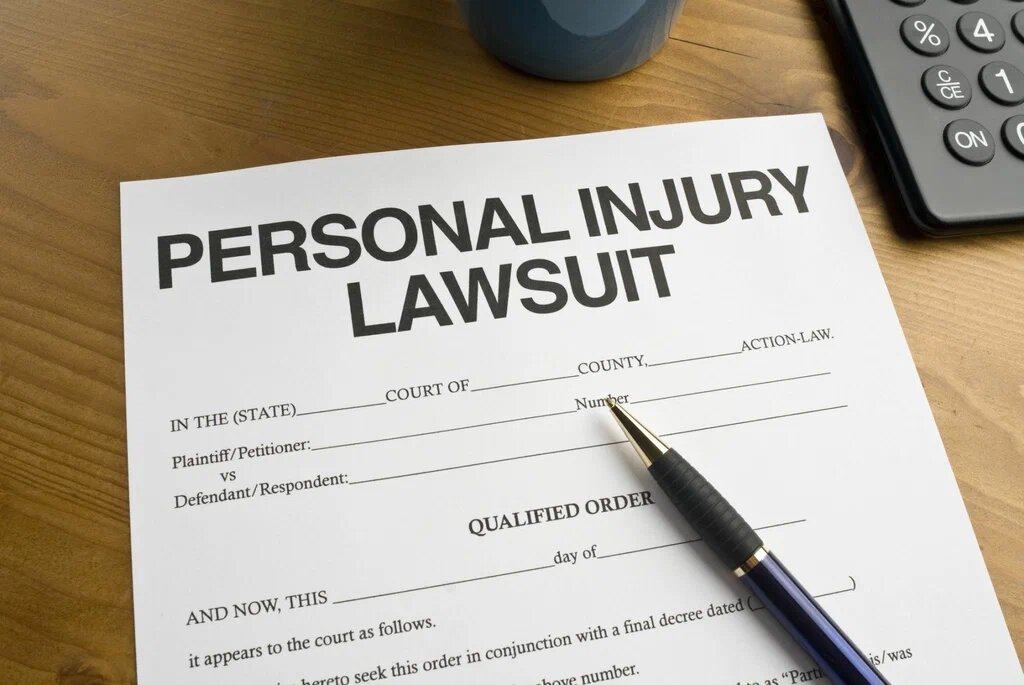
Personal injury law is state law. The rules that govern how negligence is established, how damages are calculated, and what the statute of limitations allows are set at the state level and apply uniformly across Georgia. What is not uniform — and what most injured people in smaller communities do not account for — is the practical environment in which those rules are applied.
Insurance carriers behave differently in smaller markets than in large metro areas. Evidence collection presents different challenges when the local resources are fewer. Court timelines operate on different rhythms. And the attorney across the table from the opposing adjuster carries a different weight in the negotiation depending on whether that attorney’s reputation is known in the local market.
This piece addresses what personal injury victims in smaller markets need to do differently to get the same results as cases handled in major cities — not because the law is different, but because the practical landscape is.
How Insurance Companies Approach Claims in Smaller Markets Versus Large Metropolitan Areas
Insurance carriers in large metropolitan markets operate claims handling processes calibrated to the high volume of litigation and the sophisticated plaintiff’s bar those markets produce. They have experienced adjusters, close relationships with defense firms that handle high volumes of similar cases, and a realistic understanding of what local juries award in similar cases. The settlement offers they make reflect that accumulated knowledge.
In smaller regional markets, the claims handling environment is different in specific ways. The volume of litigation is lower. The pool of plaintiff’s attorneys who regularly try cases to verdict in a given county court is smaller. The insurer’s institutional knowledge of local verdict tendencies may be less developed. And the leverage that a plaintiff’s attorney carries — specifically, the credibility of their threat to try the case if the offer is inadequate — depends more on individual reputation because the market is smaller and reputations are more visible.
This creates a specific dynamic. On one hand, a plaintiff’s attorney with a genuine track record of litigation in the local courts commands significant leverage because everyone in the relevant legal market knows their record. On the other hand, an attorney without that local track record — whether they are a local practitioner who primarily settles or an outside attorney who appears in the county occasionally — may receive different treatment from the adjuster.
Some insurers operating in smaller markets make lower initial offers than they would in metro jurisdictions, testing whether the local plaintiff’s attorney has the resources and the inclination to litigate. When the answer is yes — when the attorney responds to a low offer with a well-documented counter and a demonstrated willingness to file — the offer adjusts. When the answer is unclear or apparently no, the low offer may stand.
What Evidence Collection Looks Like When Resources and Witnesses Are Harder to Locate
Evidence collection in rural and smaller community accident cases presents logistical challenges that are less acute in densely populated areas. Surveillance cameras are fewer and less densely distributed. Witnesses who were present at the scene of an accident may be harder to locate, particularly when the accident occurred on a rural road with limited foot traffic. Expert witnesses who are willing to review cases and testify may not be locally available and may need to be retained from larger markets.
The response to these challenges is not to do less investigation — it is to move faster and to be more systematic about identifying and securing what is available. Accident reconstruction experts who can work from photographs, physical evidence, and police reports are valuable in cases where in-person investigation is limited by the remoteness of the location. Dashcam footage from vehicles that passed through the area, while less common in rural corridors than in urban ones, is worth actively seeking from any commercial vehicles that were operating in the area at the time of the accident.
The police report in rural accident cases often carries more evidentiary weight than in urban cases, both because independent witness accounts are fewer and because the responding officer’s observations may be the primary contemporaneous record of the scene conditions. A police report that contains errors or omissions — about the direction of travel, the road conditions, or the parties’ accounts of the accident — has a larger effect on the case than a comparable error in an urban case where there are multiple independent sources of information. Identifying and addressing errors in the police report early is a specific priority in rural accident cases.
Medical documentation presents its own challenges in smaller communities. Injured victims who are treated at regional hospitals or rural medical facilities may have records that are less detailed or less sophisticated than those generated by large urban trauma centers. An attorney who is familiar with the specific treating facilities in the area, and who understands how to supplement their documentation with specialist referrals and treating physician letters that address the causation and functional limitation issues the legal case requires, builds a stronger medical record than one who accepts whatever the initial treating facility provides.
Why Personal Injury Timelines in Regional Markets Can Differ from Statewide Averages
The timeline of a personal injury case — from initial filing through resolution, whether by settlement or verdict — varies across Georgia’s court system in ways that reflect the resources and docket management practices of individual courts rather than uniform statewide policy.
Some rural and regional courts move cases more efficiently than their metro counterparts, because the volume of cases is lower and the scheduling constraints are fewer. A case that might sit in a congested metro court for eighteen months before a trial date is set may reach the same point significantly faster in a regional court with fewer competing demands on the docket.
Other regional courts face the opposite challenge — limited judicial resources, including courts that operate with part-time judges or that share judges across multiple counties, can create scheduling delays that extend beyond what the case volume alone would suggest. An attorney who knows which courts fall into which category can set realistic timeline expectations for the client and plan the case accordingly.
The settlement timeline — the period between the initial demand letter and a negotiated resolution — is not purely a function of court dynamics. It is also influenced by the claims handling practices of the specific insurer involved, the complexity of the liability and damages issues in the specific case, and the negotiating posture of both sides. In smaller markets, where the parties and their counsel may have dealt with each other in prior cases, these dynamics can be more predictable — for better or worse — than in a high-volume metro market where the interaction is more anonymous.
For injury victims in the Tifton area, a personal injury lawyer tifton who practices in the Tift County courts and who understands the specific claims handling environment of the South Georgia market can set accurate expectations and build the case around the actual timeline and dynamics of the local environment.
How an Attorney’s Established Presence in a Local Market Affects How Opposing Counsel Responds
In smaller legal markets, professional reputations are more concentrated and more visible than in large cities. Every attorney who practices personal injury law in a given region — every adjuster who handles claims there, every defense firm that appears in those courts — knows the reputation of the plaintiff’s attorneys who regularly appear in the same system. That reputation is built from observed conduct over time: how cases are prepared, how demands are presented, whether filed lawsuits proceed or settle quickly, how the attorney performs in court when matters reach that stage.
A plaintiff’s attorney with an established presence in the local market, who is known to the adjusters and defense counsel they regularly face, carries that reputation into every new case. An adjuster who knows that this attorney’s cases are well-documented, that their demands are grounded in accurate local verdict data, and that they have demonstrated a willingness to litigate when the offer does not reflect case value approaches the negotiation with a realistic understanding of what it will take to resolve the matter.
An attorney without that established local presence — whether they are new to the market or an outsider who appears occasionally — faces a different kind of scrutiny. The adjuster may test the demand more aggressively, knowing less about the attorney’s actual litigation posture. The resolution may require more back-and-forth before it reflects the case’s real value.
The investment in building a local presence — appearing in courts, winning cases, developing relationships with local medical providers and expert witnesses — is what separates firms that are genuinely established in a community from those that operate in it opportunistically. For injury victims choosing representation, the distinction matters.
For injury victims in Waycross and the surrounding communities, personal injury attorneys in waycross ga who have practiced in Ware County and the surrounding courts bring an established presence that the opposing adjusters and defense counsel already understand — which is exactly what creates leverage in the negotiation.
Getting the Same Results Requires the Same Preparation
The headline proposition of this piece is that being injured in a smaller community does not mean settling for less. That proposition is true, but it is conditional. It is true when the injured party has legal representation that is genuinely equipped for the local environment — that knows the courts, knows the adjusters, knows the community, and has the investigative and expert resources to build a case that holds up under scrutiny.
It is not automatically true just because the underlying legal framework is the same. A case that would produce full compensation in the hands of an attorney who knows the local landscape may produce less in the hands of one who does not — not because of the facts or the law, but because the practical environment in which cases are resolved rewards local knowledge in ways that are real and specific.
The selection of legal representation in a smaller community personal injury case deserves the same rigor as the same decision would receive anywhere else. Ask about the attorney’s experience in the specific courts where the case will be filed. Ask about their history with the specific type of accident and injury involved. Ask about their track record in cases that actually went to resolution — settled or tried — rather than cases that were simply filed.
For injury victims in Valdosta and the surrounding South Georgia communities, a personal injury lawyer in valdosta ga who has a documented track record in Lowndes County and the surrounding courts provides the local foundation that makes the same level of recovery available in South Georgia that a well-represented case can achieve anywhere in the state.
The Preparation That Travels
Some elements of effective personal injury representation are not location-dependent. Thorough investigation, accurate damages calculation, consistent medical documentation, and skilled negotiation are effective everywhere. What the local dimension adds is calibration — the knowledge of how to deploy those skills in the specific environment where the case will be resolved.
Injury victims in smaller communities deserve representation that provides both. The foundational skills of thorough case preparation, combined with the specific local knowledge that ensures those skills are applied effectively in the courts and against the insurers they will actually face.
That combination is not common. But it is what the situation requires, and it is what the selection process should be designed to find.


Journalist shot dead in Mexico after blaming state government for death threats

Mexican mayor shot dead inside city hall

10 members of same family, including 5 children, killed in house fire in Peru

Houthis claim missile and drone attacks on 2 Saudi oil tankers in Red Sea
-

 Politics1 week ago
U.S. sanctions 10 Cuban entities over repression and regime funding
-

 Legal1 week ago
Muslim mall worker critically injured in stabbing over his religion
-
 Legal2 days ago
Sinaloa Cartel leader ‘El Mayo’ sentenced to life in U.S. prison
-
 Legal1 week ago
Austin police release footage of fatal shooting of man who pointed gun at bystanders
-

 Legal1 week ago
New Mexico detective convicted of helping drug trafficker evade DEA operations
-

 Legal6 days ago
Marine veteran charged with threatening to kill Trump in ‘holy war’
-

 Legal1 week ago
New York man arrested after livestreaming threats to kill Donald Trump Jr.
-

 World1 day ago
Death toll from Guyana ferry disaster rises to 53