
Health
New World screwworm reaches New Mexico as new cases are confirmed in Texas

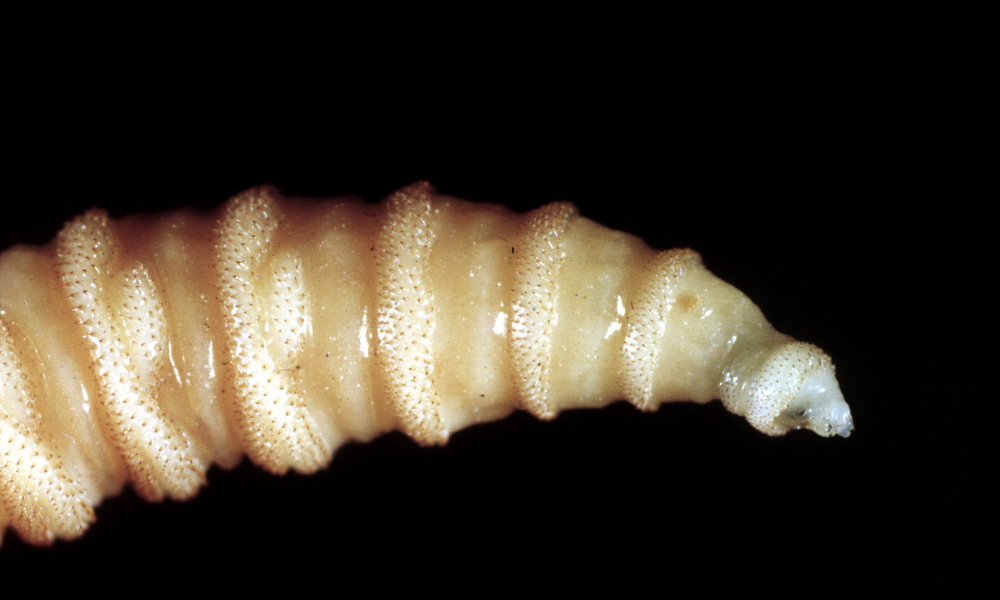
Federal officials said Monday they have confirmed new cases of New World screwworm in the U.S., including the first known case in New Mexico and additional infections in Texas.
The cases were announced Monday by the U.S. Department of Agriculture’s Animal and Plant Health Inspection Service (APHIS), which said infections had been confirmed in a calf in La Salle County, Texas, a goat in Gillespie County, Texas, and a dog whose case was initially reported as being in Andrews County, Texas.
APHIS later said the dog lives at a household in Lea County, New Mexico, and the case would be reclassified as the first detected case in New Mexico.
Officials said the New Mexico case is believed to be isolated, but the dog’s recent travel and exposure history remain unknown. USDA and state officials have started inspecting other animals at the dog’s home, increased outreach in the area and continued investigating the animal’s movement history.
Early reports had indicated the dog was recently in Mexico, but APHIS later said its travel and exposure history remain under investigation.
New World screwworm larvae feed on living tissue, burrowing into wounds and causing severe injuries. The pest can affect livestock, pets and wildlife, and officials say it can cause significant economic losses if not detected and treated quickly.
“Over the past week, USDA has identified and expeditiously confronted four confirmed detections of New World screwworm,” said Dudley Hoskins, USDA’s under secretary for marketing and regulatory programs. “While we address these instances that require immediate attention, and continue to sample suspected cases, we are simultaneously working to eradicate the pest entirely.”
Hoskins urged animal owners across the region to check their animals closely and report suspicious wounds.
“This situation is evolving, and we expect new information to emerge as our investigation continues,” Hoskins said after the New Mexico case was reclassified. “USDA is committed to sharing what we learn quickly, accurately, and transparently so animal owners and local communities have the information they need to stay vigilant.”
The USDA said it is continuing to release sterile flies over and just outside infested areas, a method used to reduce reproduction of the pest. To expand those operations, officials activated the sterile fly dispersal facility at Moore Air Base in Edinburg, Texas.


Journalist shot dead in Mexico after blaming state government for death threats

Mexican mayor shot dead inside city hall

10 members of same family, including 5 children, killed in house fire in Peru

Houthis claim missile and drone attacks on 2 Saudi oil tankers in Red Sea
-

 Politics1 week ago
U.S. sanctions 10 Cuban entities over repression and regime funding
-

 Legal1 week ago
Muslim mall worker critically injured in stabbing over his religion
-

 Legal2 days ago
Sinaloa Cartel leader ‘El Mayo’ sentenced to life in U.S. prison
-
 Legal1 week ago
Austin police release footage of fatal shooting of man who pointed gun at bystanders
-

 Legal1 week ago
New Mexico detective convicted of helping drug trafficker evade DEA operations
-

 Legal6 days ago
Marine veteran charged with threatening to kill Trump in ‘holy war’
-

 Legal1 week ago
New York man arrested after livestreaming threats to kill Donald Trump Jr.
-

 World1 day ago
Death toll from Guyana ferry disaster rises to 53