
Health
WHO investigates cause of illness in the DRC as nearly 1,100 fall sick, 60 dead

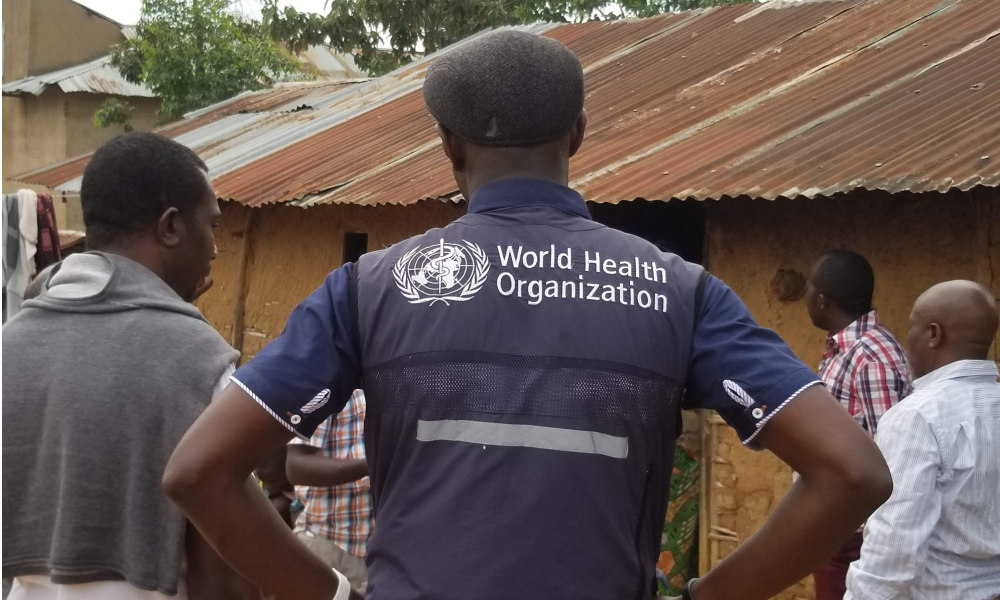
Nearly 1,100 people have fallen ill, with 60 deaths being confirmed, as health officials work to determine the cause of the outbreak in the Democratic Republic of Congo (DRC), according to the World Health Organization (WHO).
Health authorities in the DRC, along with WHO experts, are investigating three clusters of illness and community deaths in the country’s Equateur province, according to a Thursday update from WHO’s Africa Region.
A total of 1,096 cases and 60 deaths have been identified through increased disease surveillance, the update stated.
Symptoms identified under the broad case definition for increased disease surveillance include fever, headache, chills, sweating, stiff neck, muscle aches, joint pain, body aches, nasal bleeding or discharge, cough, vomiting, and diarrhea.
The most recent cluster emerged in the Basankusu health zone, where 141 people fell ill last week, though no deaths were reported. Earlier in February, the same health zone recorded 158 cases and 58 deaths. In January, the Bolamba health zone reported 12 cases, including 8 deaths.
Initial laboratory tests have ruled out Ebola virus disease and Marburg virus disease, according to the update. Approximately half of the samples tested positive for malaria, which is common in the region, with further tests planned for meningitis. Food, water, and environmental samples will also be analyzed to assess possible contamination.
Health experts from the DRC and WHO have been deployed to the affected areas to investigate any unusual patterns and to provide treatment for diseases such as malaria, typhoid fever, and meningitis.
In an earlier update, WHO Africa Region reported that preliminary investigations traced the initial cluster’s origin to three community deaths among children under five in Boloko Village between January 10 and 13. Reports indicated that the children had consumed a bat carcass before developing symptoms.
The WHO Africa Region report raised concerns over the high mortality rate, the rapid progression of the illness, and the risk of further spread. However, it also noted that the lack of epidemiological links between affected health zones may indicate separate health events.


2 Indianapolis police officers shot during disturbance call

Maine man convicted of threatening Kamala Harris and Elon Musk

Puerto Rico man charged over threats to bomb White House, attack soldiers and Jewish people

CDC reports 4,173 Cyclospora cases, investigates 7,400 more
-

 Politics1 week ago
U.S. sanctions 10 Cuban entities over repression and regime funding
-

 World17 hours ago
Houthis claim missile and drone attacks on 2 Saudi oil tankers in Red Sea
-

 Legal1 week ago
Muslim mall worker critically injured in stabbing over his religion
-

 World15 hours ago
Journalist shot dead in Mexico after blaming state government for death threats
-
 Legal12 hours ago
Puerto Rico man charged over threats to bomb White House, attack soldiers and Jewish people
-

 Legal3 days ago
Sinaloa Cartel leader ‘El Mayo’ sentenced to life in U.S. prison
-

 World2 days ago
Death toll from Guyana ferry disaster rises to 53
-

 World15 hours ago
Mexican mayor shot dead inside city hall