
Reviews
Bicycle Accident Settlements in the U.S. Vary Widely by State, Data Shows

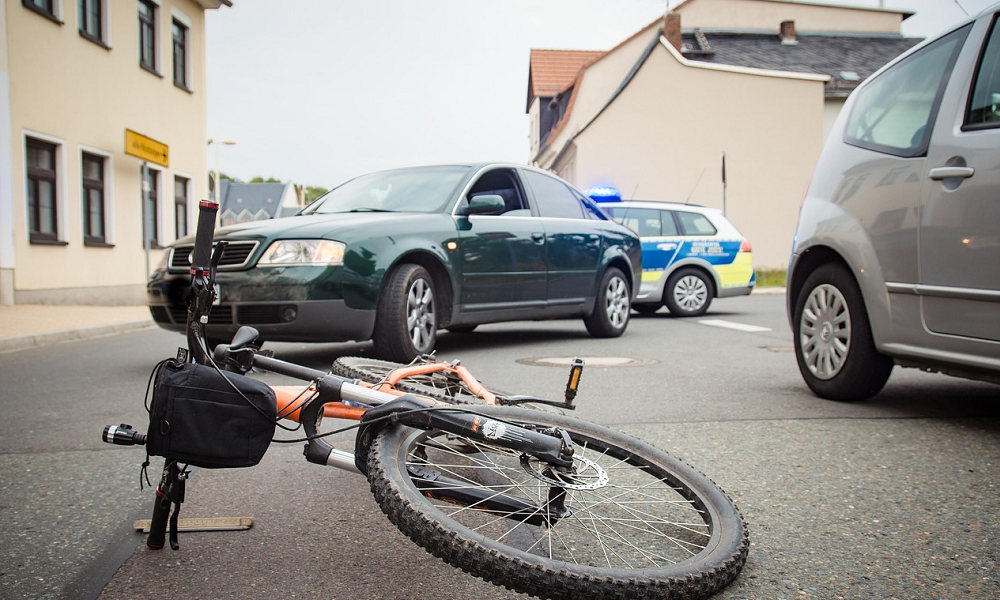
Bicycle accident settlements in the United States range from $10,000 to more than $500,000 depending on the state where the crash occurred. The primary driver of that variation is not injury severity but the negligence framework each state applies to allocate fault, according to a national analysis of settlement data.
How State Negligence Laws Drive Settlement Differences
Forty-six states follow some form of comparative negligence, but the rules differ in ways that directly affect settlement outcomes.
Thirteen states, including California, New York, and Arizona, apply pure comparative negligence. Under this system, an injured cyclist can recover damages regardless of fault percentage. Compensation is reduced proportionally. A rider found 40% at fault with $150,000 in total damages would recover $90,000.
Thirty-three states apply modified comparative negligence, which sets a fault threshold at 50% or 51% depending on the jurisdiction. Below the threshold, damages are reduced by the cyclist’s share of fault. Above it, the claim is eliminated.
The remaining four states — Alabama, Maryland, North Carolina, and Virginia and the District of Columbia apply contributory negligence, the strictest standard in American tort law. Any fault attributed to the cyclist, regardless of how minor, eliminates the right to compensation entirely.
Settlement Ranges Vary From $10,000 to $500,000 by State
According to data compiled by the BALG, the ranges reflect both the legal framework and regional differences in insurance requirements and medical costs.
In Alabama (contributory), settlements for non-catastrophic injuries typically range from $10,000 to $200,000. Any finding of cyclist fault can eliminate the claim.
In California (pure comparative), moderate-injury bicycle claims settle between $50,000 and $200,000 on average.
Colorado (modified comparative) sees settlements between $35,000 and $280,000. The state’s fault threshold caps recovery for cyclists found more than 50% responsible.
In New York (pure comparative), where a no-fault insurance framework and serious injury threshold add complexity, bicycle accident settlements range from $10,000 to $500,000.
Florida’s numbers reflect a legal landscape in transition. The state’s 2023 tort reform shifted its negligence standard from pure comparative to modified comparative, establishing a 51% fault bar. The change took effect during a period when Florida recorded 9,272 bicycle crashes statewide in 2024, including 207 fatalities, the highest figures in five years according to the Florida Department of Highway Safety and Motor Vehicles.
Insurance minimums also contribute to settlement variation. California requires drivers to carry $15,000 in bodily injury liability coverage per person. New York requires $25,000. Policy limits can cap recovery regardless of injury severity. In hit-and-run cases, which account for a significant share of urban bicycle collisions, uninsured motorist coverage often becomes the sole path to compensation.
Nationally, bicycle injuries generated approximately $3.1 billion in medical costs in 2023, according to federal safety data. The average work-loss cost per injured cyclist was nearly $18,000. Average settlement values have risen alongside medical costs over the past five years, according to the analysis.
Cyclist fatalities in the United States rose 38% over the past decade, from an average of 143 per year between 2014 and 2018 to 197 per year between 2019 and 2023, according to the League of American Bicyclists. With fatality rates climbing and several states reconsidering their negligence frameworks, the geographic disparity in cyclist compensation is likely to remain a point of contention in tort reform debates ahead.


U.S. Senator Lindsey Graham dead at 71

U.S. launches new strikes on Iran after attack on ship in Strait of Hormuz

Cambodia reports H5N1 bird flu in 9-month-old girl; 5th case this year

Death toll from Venezuela earthquakes rises to 4,333
-
 Legal6 days ago
6 shot, 1 killed, at San Antonio apartment complex
-

 Politics5 days ago
U.S. condemns China’s submarine ICBM test into Pacific
-

 World4 days ago
Ukrainian suspect in Monaco bombing found shot dead
-
 Legal5 days ago
Police sergeant, mother and daughter killed in Ohio shooting; suspect dead
-
 World1 week ago
10 Buddhist monks killed when 11-year-old crashes pickup truck in Thailand
-

 Legal4 days ago
San Diego deputy sentenced for shove that fractured detainee’s spine
-

 Legal1 week ago
Suspect arrested at Las Vegas-area casino after mass shooting threats
-
 Legal4 days ago
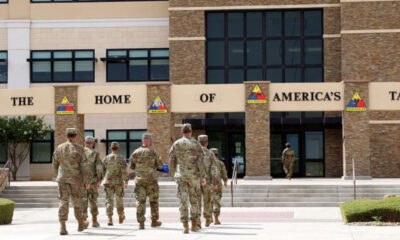
Illinois man charged with threatening to attack Fort Bliss personnel and families