
Reviews
Why Scooter Accidents Are Becoming More Common in Cities

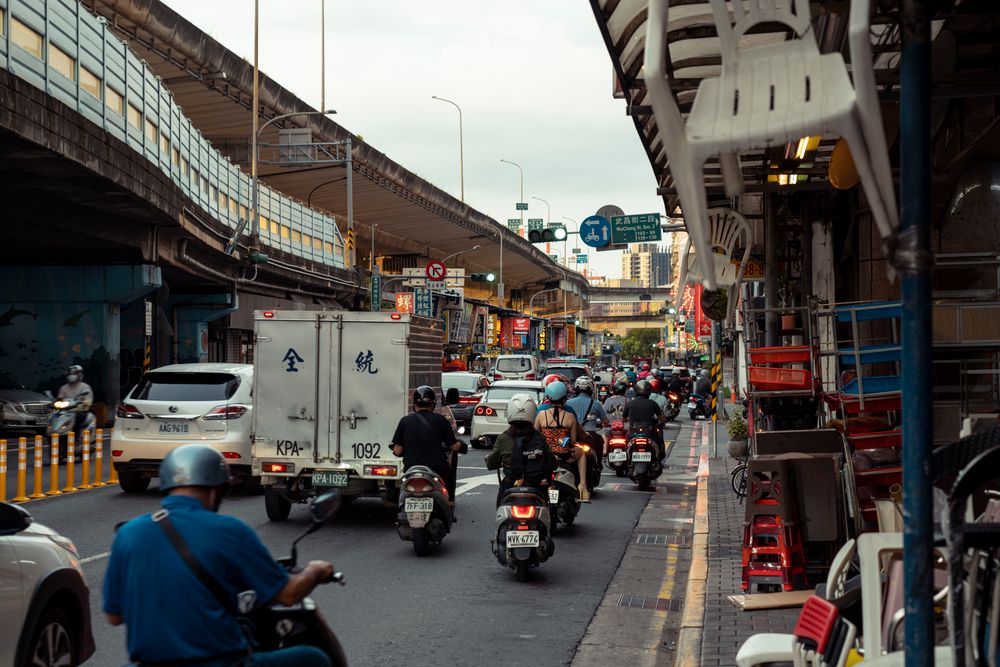
Scooters have become a familiar sight in cities around the world. Electric scooter rental programs, privately owned scooters, and improved battery technology have made short-distance travel faster and more convenient than ever. At the same time, emergency departments and transportation agencies have reported a steady increase in scooter-related injuries.
The trend reflects more than just rising ridership. As scooters become part of everyday traffic, they also interact more frequently with cars, pedestrians, cyclists, and road hazards. Understanding why these accidents occur is an important step toward making urban transportation safer for everyone.
1. Urban Streets Were Never Designed for Scooters
Many city streets were built decades before scooters became a common mode of transportation. Riders often find themselves sharing lanes with cars traveling significantly faster or navigating sidewalks designed primarily for pedestrians.
Infrastructure plays a major role. According to the U.S. Consumer Product Safety Commission, emergency departments treated an estimated 360,800 micromobility-related injuries between 2017 and 2022, including incidents involving electric scooters, bicycles, and hoverboards. Many crashes involved common roadway hazards such as uneven pavement, curbs, and intersections.
The challenge becomes even greater during peak commuting hours, when multiple modes of transport compete for the same limited road space. Riders must constantly anticipate the movements of cars, cyclists, pedestrians, buses, and delivery vehicles, often within just a few seconds. Without a dedicated space for smaller vehicles, even experienced riders can find themselves in unpredictable situations.
2. Visibility Is Often the Bigger Problem
Many collisions happen because drivers simply fail to notice scooters until it is too late. Unlike cars or motorcycles, scooters have a smaller profile and are easier to lose in blind spots, particularly at intersections or when vehicles are turning. Parked cars, poor lighting, and adverse weather can further reduce visibility for everyone on the road.
Studies published by the Insurance Institute for Highway Safety (IIHS) have consistently found that intersections remain one of the highest-risk locations for collisions involving vulnerable road users, including cyclists and scooter riders. Even low-speed crashes can lead to significant injuries when riders have little physical protection.
3. Rider Behavior Also Influences Risk
Infrastructure alone does not explain every accident. Riding without a helmet, carrying passengers on scooters designed for one person, using a mobile phone while riding, or traveling after dark without proper lighting all increase the likelihood of a crash.
Wet pavement, loose gravel, and potholes can also affect balance far more than many first-time riders expect because scooters typically have much smaller wheels than bicycles. These risks become even greater when riders are unfamiliar with local traffic rules or underestimate how quickly road conditions can change.
4. Every Crash Has Different Contributing Factors
No two scooter accidents are exactly alike. Some result from driver negligence, while others involve poor road maintenance, defective equipment, or rider error. Understanding what contributed to an e-scooter accident is often important for determining how similar incidents can be prevented in the future.
In more serious situations involving significant injuries, questions about liability may also arise. Depending on the circumstances, injured individuals sometimes seek legal guidance regarding a scooter accident lawsuit to better understand their available options.
Endnote
As cities continue embracing micromobility, scooters are likely to remain an important part of urban transportation. Improving infrastructure, increasing rider awareness, and encouraging safer interactions between all road users can help reduce accidents without sacrificing the convenience scooters provide. Creating safer streets ultimately benefits everyone, regardless of how they choose to travel.



-

 World1 week ago
Death toll from wildfire in southern Spain rises to 13
-

 Politics1 week ago
U.S. sanctions 10 Cuban entities over repression and regime funding
-

 Legal1 week ago
Muslim mall worker critically injured in stabbing over his religion
-

 Legal2 days ago
Sinaloa Cartel leader ‘El Mayo’ sentenced to life in U.S. prison
-

 Legal1 week ago
New Mexico detective convicted of helping drug trafficker evade DEA operations
-

 Legal1 week ago
Austin police release footage of fatal shooting of man who pointed gun at bystanders
-

 Legal6 days ago
Marine veteran charged with threatening to kill Trump in ‘holy war’
-

 Legal1 week ago
New York man arrested after livestreaming threats to kill Donald Trump Jr.