
Business
The Future of Freight: Next-Gen Engine Tech

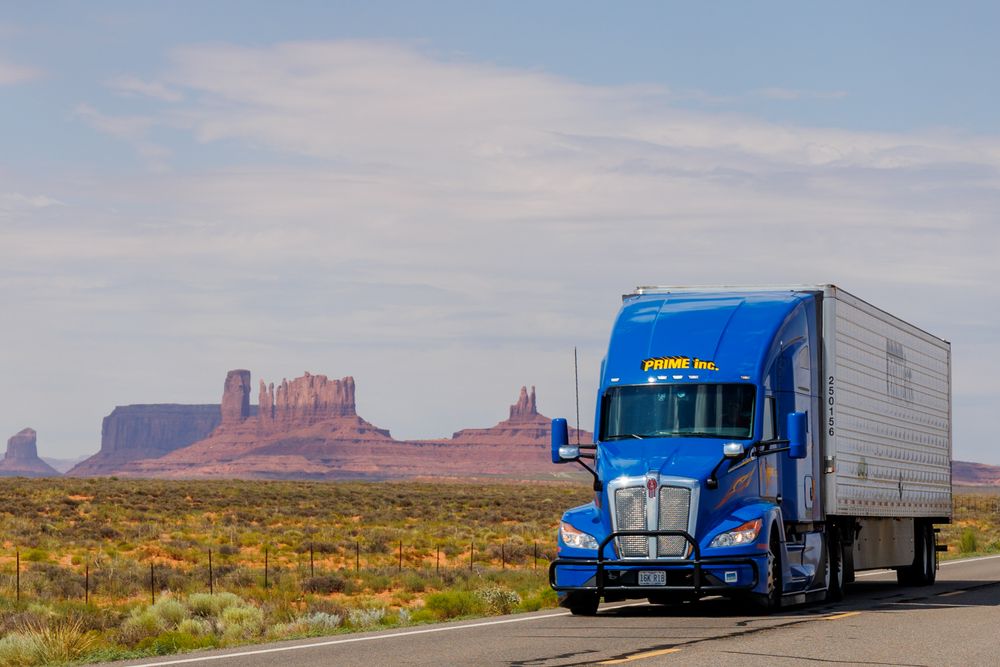
Moving goods across the country requires massive power and constant movement. The trucking industry faces changing demands and new emissions rules every year. Freight companies must find new ways to stay profitable and meet expectations.
Engine designers are pushing new limits to keep up with global shipping needs. Big shifts are coming to the highways soon as new designs hit the production lines. Fleet operators need to prepare for the changes today.
Legacy Power Meets New Demands
Fleet managers often look at older platforms to understand current durability standards. Classic designs proved that heavy machinery could run for millions of miles with basic upkeep, which is a standard that modern models aim to beat. Rugged frameworks serve as the foundation for modern transport history and design choices.
Reliability remains a major talking point among long-haul owner-operators. Many fleets still rely on vintage iron like Cummins N14 Engines to handle heavy hauls across regional routes. Older setups offer dependable service for teams that prefer simple mechanical systems without complex electronics.
Finding a balance between raw reliability and modern efficiency remains a primary goal for truck manufacturers. Engineers study past successes to build stronger systems for tomorrow. New designs aim to capture that classic durability while meeting strict green standards.
The Shift Toward Cleaner Fuels
Alternative fuels are gaining significant traction in regional logistics hubs across the nation. Natural gas and hydrogen choices provide a clear path away from traditional petroleum solutions. Carriers look for ways to cut down on emissions without losing the torque needed for heavy cargo.
Manufacturers are building high-efficiency engine blocks that can swap fuel types with minimal mechanical changes. The built-in flexibility helps shipping firms adapt quickly to changing localized fueling networks. Fleet managers can choose the exact fuel that fits their current operational budget.
Transitioning away from standard diesel requires a massive update to existing highway infrastructure. Fleet-tracking data show that truck stops must install specialized pumps to support modern, clean systems. Regional routes near major cities will likely see the upgrades first.
Electrification In Regional Hauling
Short-haul logistics networks are leading the charge toward battery power. Local delivery routes allow delivery vans and medium trucks to return to a central depot for nightly charging cycles. The predictable schedule makes battery management simple for fleet managers.
A report by a prominent consulting firm indicated that over 20% of transportation will be electrified by 2030. The prediction highlights the speed of regional adoption across specific commercial routes. Fleet owners are watching the numbers closely as battery technology improves.
Several critical factors influence how fast electric platforms spread through the broader freight market. Logistics companies must carefully evaluate three operational constraints before switching:
- Battery weight limits total cargo capacity on long highway trips.
- Charging times affect daily route scheduling and driver hours.
- Initial purchase costs require significant capital investments up front.
Autonomous Systems In Heavy Transport
Computer guidance software is changing how long-distance rigs operate on open interstate highways. Automated features reduce driver fatigue during grueling cross-country hauls. Computers can maintain steady speeds far better than human feet over long distances.
A transportation study observed that heavy-duty autonomous trucks and systems are increasingly deployed along highways, in ports, and in industrial corridors. Self-driving setups maximize fuel efficiency by eliminating erratic acceleration. Computers track traffic patterns to optimize travel times and avoid congestion.
Safety protocols remain the absolute top priority during automated vehicle rollouts. Human operators still monitor the automated systems from inside the cab to manage complex city streets. A dual approach protects other drivers on the road and tests new software.
Financial Risk And Policy Shifts
Upgrading an entire logistics fleet requires careful budget planning and strict asset management. Purchasing unproven powertrain technology carries significant financial weight for small transport businesses. One bad investment can ruin a regional carrier in a competitive market.
Industry analysis suggests that technology is expected to continue to advance quickly, with risk and capital expenditures, and a potentially lighter-touch regulatory environment could push meaningful adoption levels past 2030. Freight companies must weigh long-term forecasts before buying new trucks. Market volatility makes choices difficult for independent operators.
Government incentives can offset some of the early adoption costs for eager shipping carriers. Stable environmental policies encourage long-term investments in clean transportation hardware. Fleet owners prefer clear rules before spending millions on unproven engine designs.
Next-Generation Diesel Efficiency
Traditional internal combustion engines are not disappearing from the highway anytime soon. Refined thermal management systems squeeze more energy out of every single drop of ultra-low-sulfur diesel. The adjustments keep old fuels relevant for heavy transport needs.
High-pressure fuel injection systems optimize the internal combustion cycle to lower soot production. Microscopic tweaks allow current platforms to meet strict clean air mandates without losing pulling power. Trucking fleets get cleaner operations without sacrificing performance.
Modern diesel advancements focus on a few specific technical areas to remain competitive with electric alternatives. Manufacturers focus their research on some engineering upgrades:
- Advanced ceramic coatings reduce internal friction inside the cylinders.
- Smart turbochargers adapt instantly to changing engine loads.
- Predictive cruise control software adjusts fuel flow based on upcoming terrain.
Hybrid Powertrains For Severe Duty
Combining internal combustion with electric motors offers an intermediate solution for vocational trucks. Dump trucks and heavy concrete mixers benefit from instant electric torque during stop-and-go job site operations. The hybrid mix saves significant fuel during long idling periods.
On-board battery packs capture kinetic energy during heavy braking to recharge the system naturally. The captured power assists the primary diesel motor during steep uphill climbs with heavy payloads. Regenerative braking extends brake pad life significantly.
Hybrid setups minimize component wear by reducing the heavy strain on the main engine block. Maintenance costs drop from balanced power demands. Contractors appreciate the lower operational expenses over long multi-year projects.
Smart Telematics And Predictive Care
Modern sensors track every aspect of engine performance in real time during transport. Cloud networks analyze the streaming data to predict mechanical issues before a breakdown happens on the highway. Prevention saves shipping companies time and money.
Fleet dispatchers receive automated alerts when a component begins to show signs of mechanical stress. The early warning system prevents expensive towing fees and missed delivery windows for critical clients. Logistics teams stay ahead of regular maintenance schedules easily.
Connected trucks share operational data back with manufacturing teams to improve future engine builds. Constant digital monitoring creates a feedback loop that benefits the entire logistics industry. Better data leads directly to superior hardware designs.
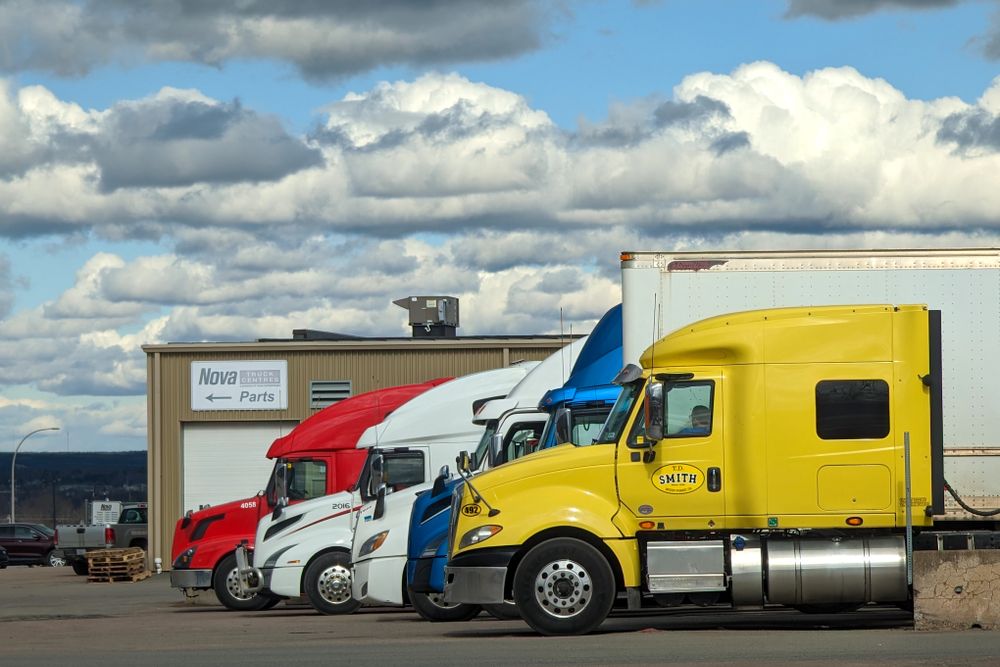
The shipping industry is moving toward a highly diverse future where multiple technologies coexist. No single powertrain solution will dominate every single route or application. Companies will use different trucks for different jobs.
Carriers must choose the best tool for their specific operational needs and regional routes. Staying competitive means adapting to new technologies as they arrive on the commercial market. The highway of tomorrow will look much different than today.


6 Smart Car Insurance Tips for Parents

2 Indianapolis police officers shot during disturbance call

Maine man convicted of threatening Kamala Harris and Elon Musk

Puerto Rico man charged over threats to bomb White House, attack soldiers and Jewish people
-

 Politics1 week ago
U.S. sanctions 10 Cuban entities over repression and regime funding
-

 Legal1 week ago
Muslim mall worker critically injured in stabbing over his religion
-

 Legal2 days ago
Sinaloa Cartel leader ‘El Mayo’ sentenced to life in U.S. prison
-

 Legal1 week ago
Austin police release footage of fatal shooting of man who pointed gun at bystanders
-

 Legal1 week ago
New Mexico detective convicted of helping drug trafficker evade DEA operations
-

 Legal6 days ago
Marine veteran charged with threatening to kill Trump in ‘holy war’
-

 World1 day ago
Death toll from Guyana ferry disaster rises to 53
-

 Legal1 week ago
New York man arrested after livestreaming threats to kill Donald Trump Jr.