
Reviews
How Uber Uses Psychological Tricks To Push Its Drivers’ Buttons

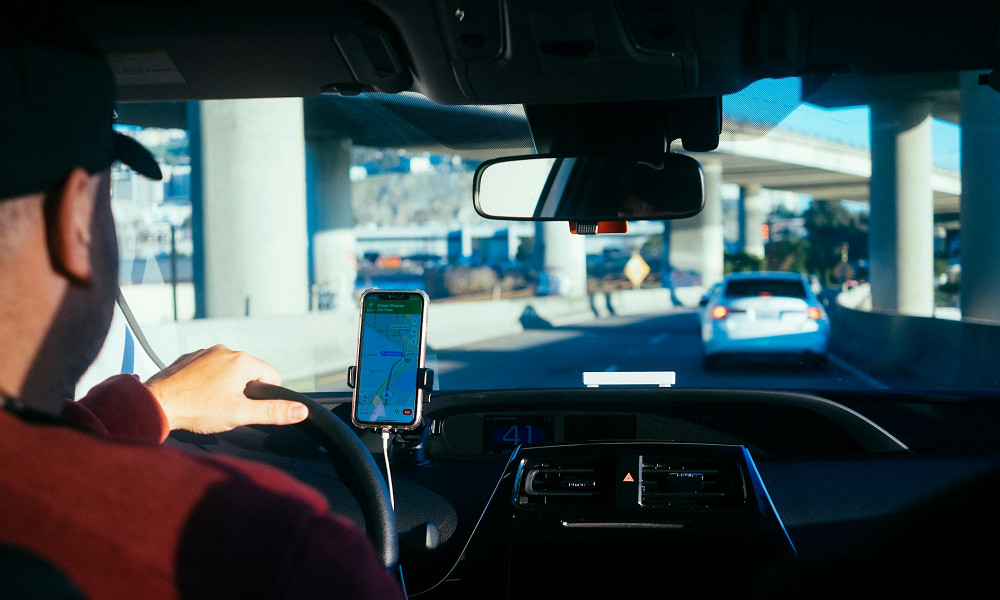
Commuting has become a much smoother experience with the advent of ride-sharing services. These companies have a relatively straightforward business model and connect people in need of a lift with those willing to provide one via a convenient app. However, the use of psychology becomes much more complex—and arguably more intriguing—when analyzing how such companies help coordinate the behavior of the drivers to achieve efficiency and productivity. This article will explore what techniques are used and why they work.
Gamification
Drivers for ride-sharing companies are subject to a process known as ‘gamification’ to increase their performance. In this case, the platform turns the process into a game, with drivers setting goals for themselves and then working towards achieving them. These goals might be in the form of monetary rewards, points, badges, or levels. This works because people are highly motivated by the feeling of accomplishment and the sense of pride that comes from meeting a target. Ultimately, drivers will be more likely to pick up another ride or work another hour when they know they are close to achieving a certain target.
For the company, the gamification process turns routine tasks—such as picking up another passenger—into a sort of challenge, as it triggers one of two goals set by the platform: earning a bonus or gaining a higher status, or indeed the satisfaction of seeing that you worked more hours or took more passengers than last week. This helps increase activity while keeping drivers engaged in the process through motivation and rewards. However, a study by the University of Chicago and Rice University found that the introduction of ride-sharing services correlated with a 3% increase in traffic fatalities. If you have been involved in a ride-share collision or a car accident, a car accident law firm can help you obtain justice and fair compensation.
Ride-share accidents involve complex liability questions, as multiple parties may share responsibility for a collision. Determining whether the driver, the platform, or another motorist caused the incident requires careful investigation. Consulting an experienced accident lawyer helps victims understand their options and pursue compensation from all responsible parties. Legal guidance is especially valuable when dealing with corporate legal teams and insurance adjusters.
Behavioral Nudges and Notifications
The ride-sharing platform can send drivers notifications at various times to encourage certain behaviors. For example, at peak hours, drivers will be notified of high demand in a particular area. This works because the notification is directed, not random. Another nudge is an alert to keep driving when a driver is about to reach a bonus target. They would then accept several rides to hit that target before he calls it a day.
Moreover, social influence is for passenger ratings as well. The higher the ratings, the greater the chance of getting more ride requests. Drivers strive to do a good job because they want to keep their good rating. This customer-centric approach is beneficial for the riders as well as the cab drivers.
Surge Pricing
Surge pricing is one of the more common features that affects a driver’s decision-making. Prices rise during periods of high demand, which creates an opportunity for drivers to get paid more. However, it does affect when and where they work. During these hours, drivers work more often because of higher wage incentives. This strategy allows the platform to maintain availability during surge demand.
Feedback and Communication
Feedback mechanisms are designed to keep drivers motivated. Positive feedback from passengers raises spirits and encourages continued efforts, while constructive feedback can lead to improved service quality. Driver and platform communication is also important. Drivers will be notified regularly of the performance metrics and earning potential of the car. This transparency can help drivers gain trust and encourage them to remain with the platform.
Balancing Autonomy and Control
The platform maintains a level of control even though drivers enjoy flexibility. They recommend the most efficient routes to reach the destination and how many hours the driver should work. However, drivers retain the autonomy to make their own choices. This balance is crucial. Drivers feel empowered while also gaining insights from the platform. The combination of freedom and support enhances job satisfaction.
Conclusion
Ride-sharing platforms excel at using psychology to influence driver behavior. Gamification, notifications, social influence, surge pricing, feedback, and communication are used to maintain efficiency and productivity. By understanding these tactics, drivers make informed decisions and maximize their potential. This mixture of technology and psychology benefits both drivers and passengers.


How Contentious Probate Claims in the UK Differ from Inheritance Disputes in the US

NATO intern arrested in Belgium over suspected espionage

Armed man shot by police after Queens house explosion; 2 found dead inside

21 injured in 5-alarm fire in Queens, NYC
-

 World3 days ago
Houthis claim missile and drone attacks on 2 Saudi oil tankers in Red Sea
-

 Legal3 days ago
2 Indianapolis police officers shot during disturbance call
-

 Legal3 days ago
Puerto Rico man charged over threats to bomb White House, attack soldiers and Jewish people
-

 US News4 days ago
All 4 U.S. soldiers killed in Jordan and Iraq identified
-

 Politics3 days ago
U.S. sanctions new CJNG leader, more than 50 people and companies
-

 World4 days ago
Death toll from Guyana ferry disaster rises to 53
-

 World3 days ago
Journalist shot dead in Mexico after blaming state government for death threats
-

 World3 days ago
Mexican mayor shot dead inside city hall