
Reviews
Leadership Development Rooted in Operational Awareness


Vision and motivation still matter, but they no longer stand alone. Leadership development has become closely tied to how well leaders understand what is happening inside the business on a daily basis. Leaders are increasingly expected to know how operations function, how work moves through the organization, and how results take shape over time. Awareness of day-to-day activity provides context that guides decisions, supports teams, and keeps leadership grounded in reality rather than assumption.
As businesses face tighter margins, faster feedback loops, and more visibility into performance, leadership expectations have evolved. Leaders who stay connected to operations gain clearer insight into how choices affect outcomes. This awareness supports better judgment and stronger alignment across teams. Leadership development rooted in operational awareness focuses on understanding how the business actually runs, not how it looks on paper.
How Leaders Learn to Read Business Performance Signals
Business performance signals appear constantly, though they are not always obvious. Revenue movement, cost patterns, workflow timing, and capacity usage all communicate information about how the business operates. Leaders develop this skill by paying attention to patterns rather than isolated data points. This way, they learn to interpret what those signals mean for planning, staffing, and execution.
In many organizations, this learning includes familiarity with financial performance metrics that show how the business is functioning beneath the surface. Understanding cash movement, margins, and operating costs helps leaders connect decisions to outcomes. Training resources like Keys to the Vault, which offers education for business professionals and entrepreneurs on topics such as financial metrics, support this type of development. Their approach helps leaders read performance signals in context rather than reacting to numbers in isolation.
Building Awareness Beyond High-Level Strategy
Strategy outlines direction, but operational awareness explains how that direction plays out in practice. Leaders who focus only on high-level goals often miss how daily activity influences progress. Awareness beyond strategy involves understanding how plans translate into actions across teams, systems, and timelines.
Developing this awareness requires curiosity about execution. Leaders benefit from spending time reviewing workflows, observing handoffs, and understanding where delays or friction occur. This knowledge supports decision-making that accounts for reality on the ground rather than idealized assumptions. Awareness at this level allows leaders to guide teams with clarity rooted in how work actually gets done.
Leadership Growth Through Process Visibility
Process visibility supports leadership growth by making work easier to understand and evaluate. When leaders see how tasks move through the organization, they gain insight into capacity, efficiency, and coordination. Visibility removes guesswork and replaces it with understanding built from observation and data.
Leaders who prioritize process visibility develop stronger judgment because they understand cause and effect within operations. They can identify where support is needed, where resources may be stretched, and where improvements fit naturally. This understanding supports leadership that feels informed and practical rather than reactive.
Developing Leaders Who Monitor Operational Health
Operational health involves many factors, including workload balance, system reliability, and output consistency. Leaders who monitor these elements stay aware of how the business functions over time. Monitoring does not mean constant intervention. It means maintaining awareness of indicators that signal how operations are performing.
Training leaders to monitor operational health encourages attentiveness without micromanagement. Leaders learn to observe trends, notice early warning signs, and respond thoughtfully. This approach supports stability by keeping leaders connected to the flow of work and the condition of the organization as a whole.
Connecting Team Activity to Business Results
Team activity drives results, but that connection is not always visible without intention. Leaders develop operational awareness by understanding how individual tasks contribute to broader outcomes. Seeing this connection helps leaders communicate expectations clearly and support teams more effectively.
When leaders connect activity to results, accountability becomes clearer and more meaningful. Teams understand how their work fits into the larger picture. Leaders gain insight into which activities support progress and which ones create friction. This understanding strengthens leadership by grounding guidance in observable impact rather than assumption.
Leadership Habits Built Around Data Awareness
Operationally aware leaders develop habits that keep data visible and relevant in everyday decision-making. Regular exposure to numbers tied to workflow, capacity, and output creates familiarity with how the business functions in practice. Data awareness does not require constant analysis. It involves routine engagement with information that shows how work progresses and where attention may be needed.
Ultimately, these habits support leadership that feels grounded and prepared. Leaders who maintain data awareness gain context before responding to issues. Conversations with teams stay focused on observable activity rather than assumptions. Data becomes a reference point that supports clarity and consistency across leadership actions.
Developing Leaders Who Ask Better Performance Questions
Operational awareness grows through curiosity directed at how work happens. Leaders who ask thoughtful performance questions gain insight into causes rather than symptoms. Questions focused on timing, capacity, and workflow uncover information that guides action without assigning blame. This approach supports learning within teams and leadership alike.
Training leaders to ask effective questions encourages engagement with operations at a meaningful level. Instead of reacting to outcomes alone, leaders explore contributing factors. This practice leads to a comprehensive understanding of how systems function and where attention supports progress.
Training Programs Centered on Business Reality
Leadership training grounded in business reality focuses on real scenarios rather than abstract models. Programs designed this way use actual workflows, data points, and operational challenges as learning material. Participants engage with situations that mirror their daily responsibilities, which supports practical skill development.
Reality-based training helps leaders connect learning directly to application. Concepts discussed during training sessions translate into actions taken on the job. This approach builds confidence through familiarity, allowing leaders to apply what they learn without translating theory into practice on their own.
Leadership Development Guided by Operational Clarity
Operational clarity provides a basis for leadership growth by making expectations and processes visible. Leaders who understand how work moves through the organization communicate with greater precision. Clarity supports alignment by reducing confusion around roles, responsibilities, and outcomes.
Development guided by clarity helps leaders navigate complexity without becoming overwhelmed. A thorough understanding of operations allows leaders to prioritize effectively and support teams with purpose. Leadership actions align with how the business functions day to day, which supports consistency across decisions and communication.
Building Leadership Through Measurable Activity
Measurable activity offers tangible reference points for leadership development. Tracking output, timelines, and completion rates provides insight into how leadership actions influence results. Leaders who focus on measurable activity stay connected to progress in real terms rather than abstract goals.
This approach reinforces accountability through visibility. Leaders see how guidance affects outcomes and adjust accordingly. Measurable activity supports leadership growth by providing feedback rooted in observable work. Development happens through engagement with results rather than evaluation alone.
Leadership development rooted in operational awareness centers on understanding how businesses function in real time. Awareness of data, processes, and measurable activity guides leadership that feels practical and informed.


Trump notifies Congress of plan to remove Syria from terrorism sponsor list

Hazmat response tied to teen’s garage lab in Irvine, California

Man in wheelchair injured in Molotov cocktail attack in Oklahoma City

Small but rare earthquake shakes Chicago area
-

 Legal3 days ago
6 shot, 1 killed, at San Antonio apartment complex
-
 Politics2 days ago
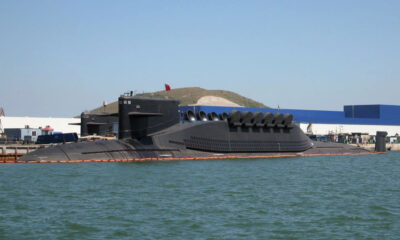
U.S. condemns China’s submarine ICBM test into Pacific
-

 Legal1 week ago
7 sentenced in Texas detention center attack that wounded officer
-

 World6 days ago
10 Buddhist monks killed when 11-year-old crashes pickup truck in Thailand
-

 Legal2 days ago
Police sergeant, mother and daughter killed in Ohio shooting; suspect dead
-

 World1 day ago
Ukrainian suspect in Monaco bombing found shot dead
-

 Legal6 days ago
Suspect arrested at Las Vegas-area casino after mass shooting threats
-

 Legal23 hours ago
San Diego deputy sentenced for shove that fractured detainee’s spine