
Business
Why Smart Facilities Choose Modern Intercom Solutions

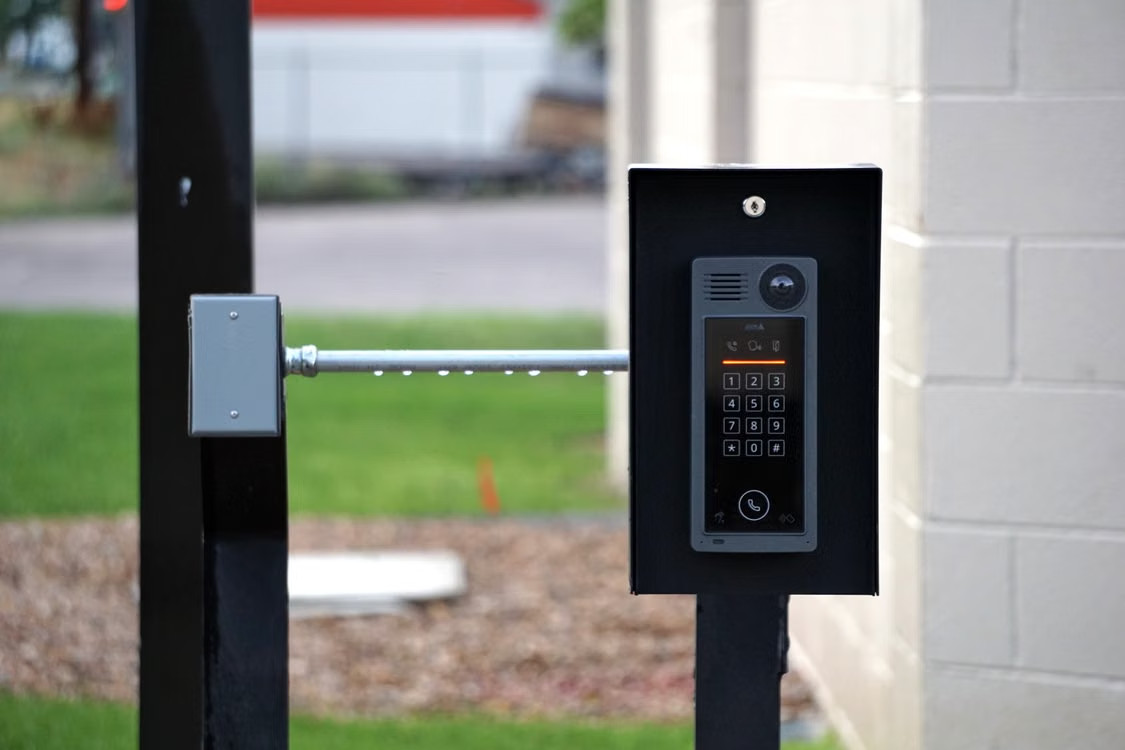
Managing a large property requires constant attention to detail. Security teams must monitor who enters and exits the building throughout the day.
Legacy hardware often creates communication gaps that slow down daily operations. Modern properties require updated tools to maintain high levels of protection and operational efficiency.
Upgrading to advanced communication hardware helps teams respond to incidents quickly. Smart managers look for integrated systems that combine clear sound with smart software.
The Evolution Of Building Access
Old security systems relied heavily on manual keys and physical clipboards. Security guards spent hours verifying badges and writing down names by hand. This slow method created long lines during morning rush hours. Properties faced security risks when keys disappeared or badges suffered damage.
Modern properties use digital systems to solve these legacy issues. Networked hardware grants access with a quick tap or scan. Administrators manage multiple entry points from a single central computer terminal.
Property managers now look for solutions that combine multiple security tools into one platform. Cloud connectivity allows teams to update permissions instantly from any location. Security teams monitor live data streams to track movement through the building.
Older buildings often require expensive retrofitting when updating their security infrastructure. Modern options circumvent this problem by utilizing existing network wiring. Property owners save significant capital by avoiding major structural renovations during the installation phase.
Important Things to Think About When Installing Audio Devices
Selecting the correct hardware requires a clear understanding of your property layout. Property managers find that installing an audio intercom helps teams verify visitor identities before granting access to restricted zones. This step minimizes unauthorized entries and keeps operations running smoothly.
Clear sound quality remains a priority during the selection process. Hardware must filter out background street noise so security officers can hear visitors clearly.
Clear audio prevents misunderstandings and speeds up the verification process at busy gates. High-traffic loading docks benefit significantly from noise cancellation technology that isolates human speech.
Placement of the hardware affects its long-term performance. Devices must stand up to rain, snow, and extreme temperatures throughout the year.
Choosing weatherproof housing protects the internal electronics from environmental damage. Proper positioning makes the hardware easy for visitors to reach and use.
System designers must calculate the distance between the entry station and the main control center. Long distances can degrade audio quality if the hardware lacks proper amplification.
Choosing devices with built-in signal boosters prevents communication drops across expansive properties. Reliable wiring paths maintain clear communication lines regardless of physical distance.
Streamlining Operations Across Large Campuses
Large institutions often struggle to manage multiple disconnected security devices. Administrators spend excessive time jumping between different software screens to grant visitor access. Unified platforms solve this problem by connecting hardware across different buildings.
A report from a major university website explained that transitioning to a unified security platform boosts efficiency for administrators handling access cards, limits confusion for building occupants, and allows better integration with other existing property systems.
Centralized management reduces workload for technical support teams. Staff members update clearance levels across 10 separate buildings simultaneously.
Centralized systems offer several clear benefits for campus environments:
- Technical teams manage user profiles from a single database dashboard.
- Security personnel receive alerts from every gate on one screen.
- System upgrades happen across the network without individual hardware checks.
- Visitors experience a predictable entry process at every campus building.
Connected devices allow properties to scale their security operations easily. Managers add new entry points to the network without replacing the core software infrastructure.
Strengthening Physical Network Safeguards
Digital security requires strong physical protection at every entry point. Intruders sometimes try to tamper with outdoor communication panels to gain network access. Smart facilities protect their wiring and connection ports from external interference.
Official cybersecurity guidelines from a government agency suggest restricting physical access to network equipment by utilizing protective enclosures that cover reset buttons, mounting hardware out of reach on ceilings, or using secure lockboxes. Protecting physical access paths keeps the entire digital network safe from intrusion.
Modern communication devices include tamper sensors that trigger alarms instantly. If someone attempts to pry a panel off the wall, the system alerts the security desk. Robust physical design complements digital encryption protocols perfectly.
Vulnerable exterior endpoints often represent the weakest link in an otherwise secure digital network. Locking down these external units prevents hackers from connecting laptops directly to internal facility networks.
Secure enclosures shield sensitive components from vandalism and intellectual property theft. Heavy-duty steel casings resist physical attacks from heavy tools and blunt force.
Improving Front Entrance Safety Measures
Front doors represent the first line of defense for any facility. Managing who stands at the threshold protects employees and assets inside. Modern setups combine visual verification with voice communication to confirm visitor intent.
A public school district announcement shared that adding a voice and video communication setup at main entrances significantly upgraded building safety protocols. Visual confirmation helps receptionists spot unauthorized items before opening the door.
Implementing modern entrance security offers specific operational advantages:
- Staff members talk to visitors without opening the primary physical barrier.
- High-definition cameras capture clear images of faces and identification cards.
- Log files store records of every entry request for future review.
- Electronic locks activate instantly when guards deny entry requests.
Security teams can link entrance communication systems directly to emergency lockdown protocols. With a single button press, receptionists can lock all exterior doors during an active threat
Integrated entry tools reduce stress for administrative workers. Workers handle delivery personnel and unexpected guests without leaving their desks. Remote access verification keeps receptionist desks orderly and free from unnecessary physical disruptions.
Modern Features Driving Facility Efficiency
Advanced communication tools offer features beyond simple voice transmission. Current hardware integrates with mobile applications to give administrators remote control options. Managers open doors for contractors using a smartphone app from across town.
High-fidelity microphones pick up low whispers and suppress loud wind noise. Crystal-clear sound speeds up communication and prevents operational delays. Digital systems log every interaction automatically for accurate bookkeeping.
Modern units use standard network cables to receive power and transmit data simultaneously. Facilities save money on electrical contractors during system deployment. Low power requirements make these options highly sustainable for growing businesses.
Smart facilities use analytics to track peak visitor hours based on entry logs. This data helps managers schedule security staff more effectively during busy times.
Optimizing staff schedules lowers operational costs and maintains excellent facility oversight. Historical data patterns allow administrators to predict seasonal traffic spikes accurately.
Choosing the right communication setup improves building safety and operational speed. Smart facilities move away from isolated hardware toward connected digital platforms.
Upgrading your building infrastructure protects assets and helps personnel work efficiently. Investing in advanced entry solutions prepares your business for future security challenges. Modernized buildings remain competitive, secure, and highly efficient over the long term.


Death toll from Venezuela earthquakes rises to nearly 5,000

When Is It Time to Consider a Wig? Understanding the Signs and Benefits

How Consumer Shifts Are Redefining Personal Aesthetics

States Expand Bank Powers to Combat Rising Elder Financial Abuse
-

 Legal6 days ago
Man shot and killed by police after pointing gun at people in Austin, Texas
-

 World5 days ago
Death toll from wildfire in southern Spain rises to 13
-

 Politics4 days ago
U.S. sanctions 10 Cuban entities over repression and regime funding
-

 Legal1 week ago
Maryland man sentenced to 15 years for trying to join ISIS, plotting U.S. attack
-

 Legal3 days ago
Muslim mall worker critically injured in stabbing over his religion
-

 Legal3 days ago
New Mexico detective convicted of helping drug trafficker evade DEA operations
-

 Legal4 days ago
New York man arrested after livestreaming threats to kill Donald Trump Jr.
-

 Legal4 days ago
Austin police release footage of fatal shooting of man who pointed gun at bystanders