
Reviews
Fire Ant vs Harvester Ant: A Field Guide for Homeowners

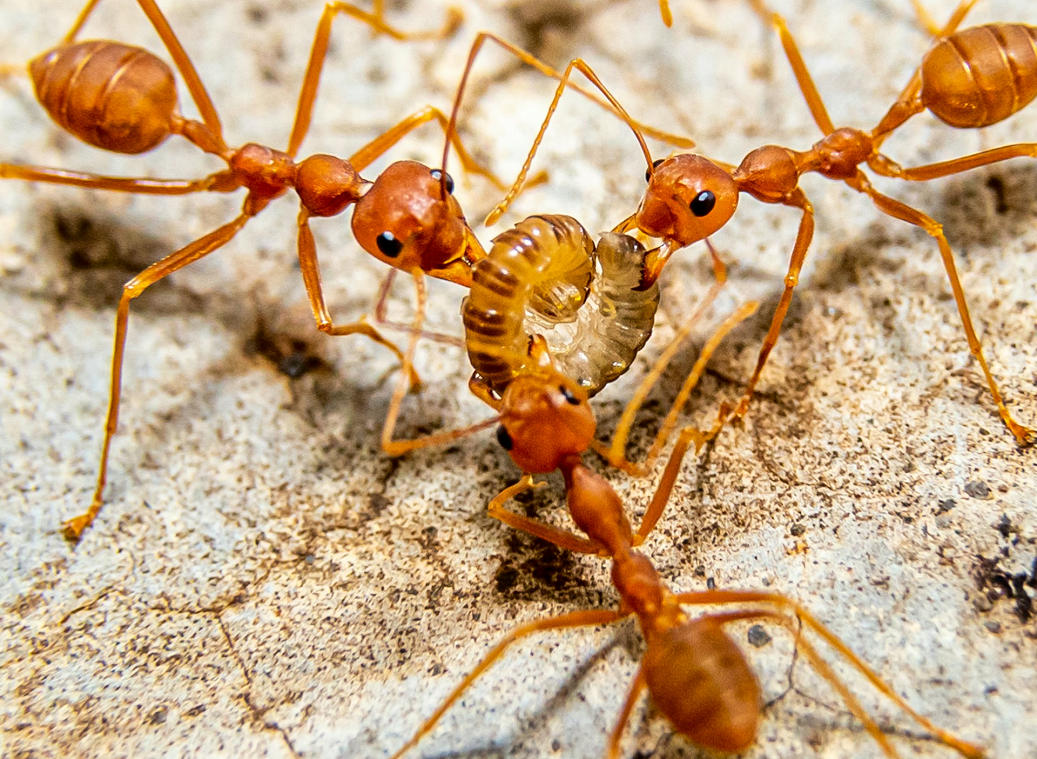
At first glance, most ants appear remarkably similar, but distinguishing among them helps us control them effectively. Recognizing the various types is the real trick to pest control.
For instance, if your yard has seen an invasion of unusual ants and you are seeking pest control in Frisco, you must determine whether these ants are fire ants or harvester ants.
Fire Ants vs Harvester Ants: Key Identification Differences
The fire ant has a red-brown body, with its back a rather darker hue. Its mound is dome-shaped and has no visible entrance leading to the nest. These ants are extremely aggressive towards anything disturbing their mound. The harvester ant may vary greatly in size and color, ranging from red-orange to brown. They live in nests with an opening surrounded by vegetation-free space.
In a reliable fire ant identification guide, the first step is to observe the characteristics of their nest and the ants’ aggressiveness in defending it.
Fire Ants: What Homeowners Need to Know
Fire ants are recognized for causing very painful stings. Fire ants bite using their mandibles and then sting multiple times. The sting from fire ants will cause itching and severe pain. Fire ants prefer hot weather. They build their nests in your backyard, garden, or park. At times, the fire ants may move their nest during heavy rain.
After rainfall, residents in North Dallas, TX, and the Collin County area frequently scan their property for any shifts in colony locations, as colonies can be found in many locations. CitiTurf often encourages the regular monitoring of outdoor spaces because early detection of pests makes it easier to have healthy grass.
If you are using a fire ant identification guide, you should know that aggressiveness upon disturbance of the mound is among the most reliable signs that they are not some other, more peaceful ants.
Harvester Ants: What Makes Them Unique
Harvester ants are unlike fire ants in that they do not bite anyone unless provoked. They spend their lives collecting seeds instead.
At times, they may make a clear spot to build their nest by clearing all the surrounding vegetation to collect seeds. Harvester ants can sting people who attempt to attack them; however, their hostility is less than that of fire ants.
Nevertheless, they might damage your lawn if there are many harvester ants in the area. All these differences will be useful to differentiate between harvester ants and fire ants.
Fire Ant vs Harvester Ant: Side-by-Side Comparison for Homeowners
Some differences are noticeable in a comparison between fire ants and harvester ants:
- Fire ants are very protective of their nest, but harvester ants tend to avoid confrontation unless attacked.
- Fire ant colonies do not need an opening; however, harvester ant colonies have an opening at the center of the colony.
- Both types of ants consume insects and plants; however, harvester ants store the seeds they collect.
Signs of Infestation Around Your Property
Ant colonies often reveal themselves before you actually see large numbers of workers. Look for any mounded lawn clusters, bare ground, ants on sidewalks, or ant trails leading to water or food. You can also observe disturbed soil after rain, as the colonies rebuild their destroyed nests.
Risks and Problems for Homeowners
Fire ants pose obvious threats due to their painful stings, particularly to children, older adults, pets, and people with allergies. They can also cause problems in lawn maintenance, gardening, and other outdoor work.
Harvester ants generally do not pose a direct health threat, but may be a problem with regard to landscaping when they clear away plants around colonies. But in properly maintained lawns, they can become pests in large numbers.
Proper identification will assist homeowners in choosing an effective control method suitable for the particular species.
Prevention Strategies for Homeowners
One way to prevent an ant infestation is to eliminate any factors that may lure the pests into one’s house. Ways of making the property less attractive to ants include:
- Removing all food remnants and still water.
- Removal of plants that are touching the building structure.
- Doing a periodic check of your yard for mounds.
- Addressing nests while they are still relatively small.
- Implementing recommended treatment protocols based on the ant species.
In Conclusion
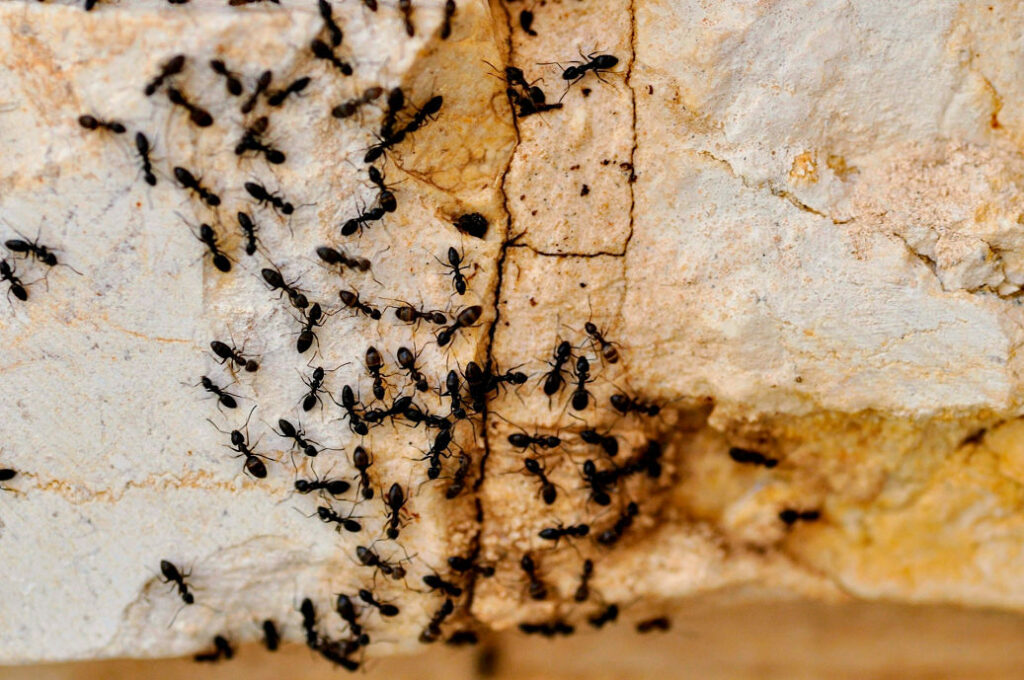
Being able to tell the harvester ants and the fire ants apart can empower a homeowner to know exactly what to do about the pest situation at home without needing further treatment. While these two may look identical to someone unfamiliar with either, their activities are vastly different, and what poses a danger for each can vary as well. Recognition of the two could ensure the safety of property and other people.


NATO intern arrested in Belgium over suspected espionage

Armed man shot by police after Queens house explosion; 2 found dead inside

21 injured in 5-alarm fire in Queens, NYC

1 dead, 16 injured after van driver strikes attendants at Berlin pride parade
-

 World3 days ago
Houthis claim missile and drone attacks on 2 Saudi oil tankers in Red Sea
-

 Legal3 days ago
2 Indianapolis police officers shot during disturbance call
-

 Legal3 days ago
Puerto Rico man charged over threats to bomb White House, attack soldiers and Jewish people
-

 US News4 days ago
All 4 U.S. soldiers killed in Jordan and Iraq identified
-

 World4 days ago
Death toll from Guyana ferry disaster rises to 53
-

 World3 days ago
Journalist shot dead in Mexico after blaming state government for death threats
-

 Politics2 days ago
U.S. sanctions new CJNG leader, more than 50 people and companies
-

 World3 days ago
Mexican mayor shot dead inside city hall