
Reviews
Why Personal Injury Settlement Value Depends on More Than the Accident Itself

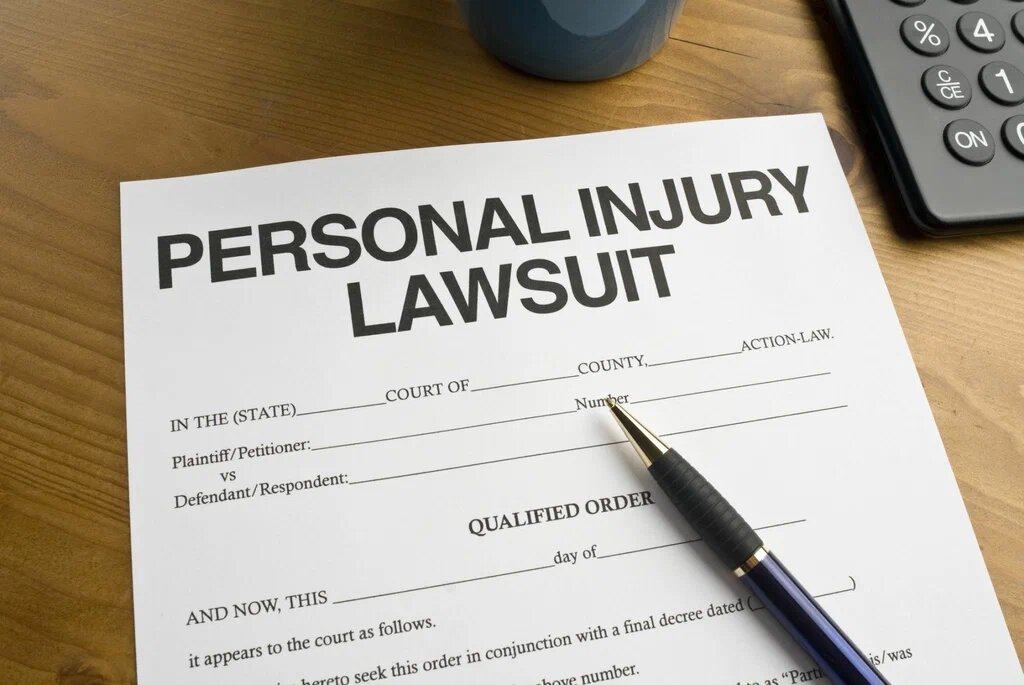
In Queens, an injury claim can grow out of many everyday situations: a crash on a busy road, a fall near a storefront, an unsafe apartment stairway, a construction-related hazard, or an accident involving public property. Because Queens is dense and constantly moving, an accident may involve several people, businesses, insurers, property owners, or agencies. That means the value of a settlement is rarely based solely on the accident.
An insurance company may look at the same accident and offer far less than expected if the medical records are weak, the fault evidence is unclear, or the future impact has not been explained well. Thus, support from a Queens personal injury lawyer can help before settlement talks become serious. The goal is not only to say that the accident happened but also to show how it changed your health, work, routine, and future needs. A stronger claim gives the insurer fewer reasons to treat the injury like a small inconvenience.
The Accident Is Only the Beginning
Many people assume settlement value starts and ends with how dramatic the accident looked. A serious crash, fall, or injury scene may help explain what happened, but the claim still needs proof.
The injured person must usually show that someone else’s carelessness caused harm. That may involve photos, video, witness statements, police reports, incident reports, maintenance records, medical notes, and expert opinions.
Medical Proof Carries Real Weight
Medical records are the backbone of a personal injury settlement because they show the time when you got treatment, what symptoms you talked about, what doctors diagnosed, and what care you needed.
If you wait too long to get medical care, the insurance company may argue that your injuries were not serious or were caused by something else. That argument may not be fair, but it is common. Prompt treatment helps connect the injury to the accident.
If your records show missed appointments, changing symptoms, or unclear complaints, the insurer may try to reduce the offer. This does not mean every record must be perfect. It means your treatment history should tell a clear and honest story.
The Type of Injury
A broken bone, torn ligament, concussion, herniated disc, burn, scar, or surgical injury may carry a different value than temporary soreness. But even the medical label does not tell the full story.
Two people can have the same diagnosis and very different outcomes. One person may return to normal quickly. Another may lose months of work, need long-term treatment, or live with permanent limits.
Lost Income Should Be Documented Clearly
If the injury kept you from working, that loss should be supported. Pay stubs, tax records, employer letters, disability notes, and medical restrictions can help show the financial impact.
For freelancers, gig workers, business owners, and hourly workers, income loss may take more effort to prove. That does not make it less real. It just means the records need to be organized carefully.
Future Care Can Change the Value
A settlement shouldn’t be less than what you are owed because you may need surgery, injections, physical therapy, medication, mobility support, or specialist care later; those future costs should be considered before the claim is resolved.
Accepting a settlement too early can leave you paying for future treatment yourself.
Daily Life Losses Are Taken Into Account
Personal injury claims are not only about bills. Pain, sleep problems, reduced movement, missed family responsibilities, loss of hobbies, emotional stress, and difficulty doing normal tasks can all affect value.
Explaining those losses clearly can be very hard. A general statement like “I am in pain” will always be weaker than specific details about what you can no longer do, how many times you struggle, and how the injury has changed your routine.
Deadlines Shouldn’t Be Overlooked
If, for any reason, deadlines are missed, the outcome is that even a strong claim can suffer. New York courts provide public guidance on limitation periods for civil cases, including personal injury issues. The type of defendant may also affect timing, especially if a public entity is involved.
A Fair Settlement Is Built With Proof
Settlement value is not just a reaction to the accident. It is built through evidence, medical records, fault analysis, income proof, and a clear explanation of how the injury changed your life.
If you were hurt, do not judge the value of your claim only by how the accident looked. Focus on treatment, documentation, deadlines, and the full impact before accepting an offer.


The Future of Freight: Next-Gen Engine Tech

6 Smart Car Insurance Tips for Parents

When Insurance Adjusters Work Against You: How an Accident Attorney Levels the Playing Field

7 Ways to Advocate for a Special Education Student Without Turning Every Meeting Into a Fight
-

 Politics1 week ago
U.S. sanctions 10 Cuban entities over repression and regime funding
-

 Legal1 week ago
Muslim mall worker critically injured in stabbing over his religion
-

 Legal2 days ago
Sinaloa Cartel leader ‘El Mayo’ sentenced to life in U.S. prison
-

 Legal1 week ago
Austin police release footage of fatal shooting of man who pointed gun at bystanders
-

 Legal1 week ago
New Mexico detective convicted of helping drug trafficker evade DEA operations
-

 Legal6 days ago
Marine veteran charged with threatening to kill Trump in ‘holy war’
-

 World1 day ago
Death toll from Guyana ferry disaster rises to 53
-

 Legal1 week ago
New York man arrested after livestreaming threats to kill Donald Trump Jr.