
Reviews
How Brain Injuries Can Affect Daily Life and Employment

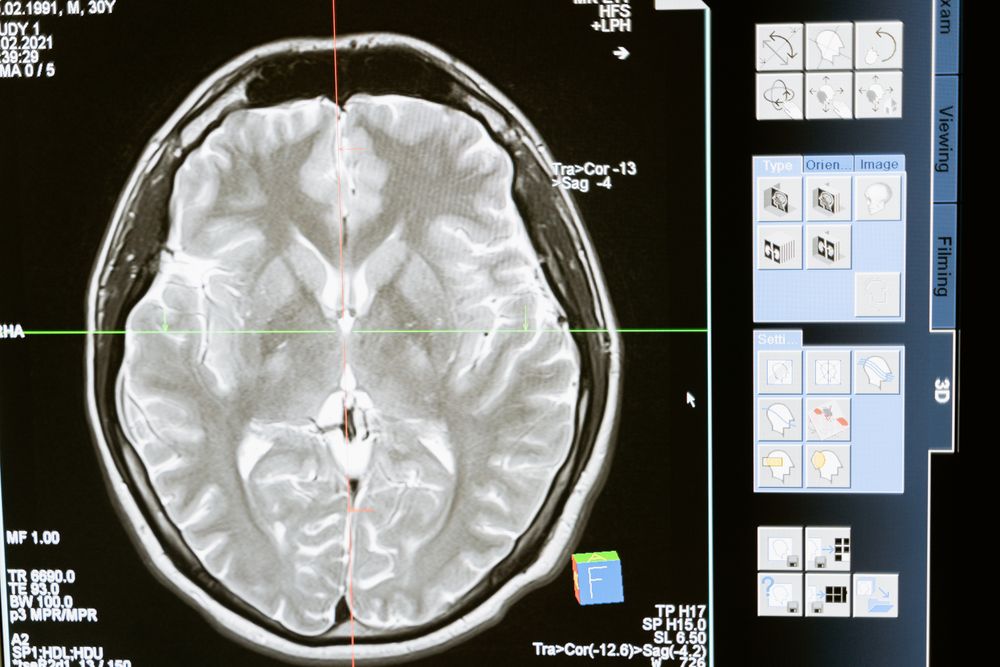
Brain injuries can disturb ordinary life in ways that remain invisible to others. A person may look steady, yet struggle with recall, concentration, balance, or emotional control. Simple chores can require longer effort, written reminders, or frequent rest periods. In a fast-paced city like New York, where daily demands rarely slow down, those difficulties can feel even more pronounced.
Over weeks, those changes may strain family routines, limit social activity, and reduce job stability. The result is often a daily pattern shaped by fatigue, uncertainty, and a need for steady support. Consulting a brain injury lawyer in NYC can help families understand what legal options may be available after a serious head injury.
Work Can Change Fast
Employment problems often appear soon after a brain injury, even without obvious external signs. Meetings may feel harder to follow, deadlines may slip, and routine assignments can take far longer than before. Reduced hours, medical bills, and sudden income loss often follow cognitive, sensory, or physical limits tied to head trauma. These workplace disruptions can quickly add financial stress on top of an already difficult recovery.
Memory Problems Disrupt Routines
Memory trouble can interrupt tasks that once felt automatic. A person may miss appointments, forget medication times, or leave errands unfinished. Grocery lists, passwords, and bill dates can disappear from the mind within minutes. Kitchen safety may also decline if steps are skipped. These lapses often create frustration, because awareness remains, while the brain cannot store or retrieve information with normal speed.
Attention Becomes Fragile
Attention often weakens after head trauma. Bright lights, several voices, or background noise can scatter thought within seconds. Reading may require repeated passes across the same paragraph. Telephone calls can become draining before useful details are processed. In offices, stores, or industrial settings, reduced focus may lower output, increase mistakes, and raise concern about safety for everyone nearby.
Physical Symptoms Carry Over
Many brain injuries produce symptoms that extend well past the first medical visit. Head pain may flare without warning. Dizziness can appear during stair climbing or quick changes in position. Blurred vision may make screen work harder. Poor sleep often intensifies every complaint. According to the Centers for Disease Control and Prevention, these symptoms can lead to serious health problems that persist well beyond the initial recovery period. These effects can limit driving, shopping, exercise, and the ability to finish a normal workday.
Mood and Behavior May Shift
Emotional regulation often changes after brain trauma. A patient who once stayed calm may become irritable, anxious, tearful, or withdrawn. Minor setbacks can trigger outsized reactions because injured neural pathways process stress less efficiently. Relatives sometimes read that shift as attitude rather than physiology. Misunderstanding can damage marriages, strain parenting, and reduce social contact at a time when connection matters most.
Employment Risks Increase
Most jobs depend on consistency, speed, judgment, and stamina. Brain injury symptoms can weaken each one. A worker may need shorter shifts, extra breaks, or quieter surroundings. Some employers can adapt duties, yet many positions leave little room for change. Missed deadlines, repeated absences, or safety concerns may lead to discipline, demotion, or dismissal after years of reliable service.
Income Pressure Builds
Financial strain often grows as earning power falls. Treatment may involve imaging, therapy, medication, counseling, or transportation support. A spouse or relative may also lose wages while helping with appointments and paperwork. Savings can shrink quickly once pay drops and expenses rise. Money stress may slow healing as well, because people sometimes return to demanding work before the brain has stabilized.
Family Roles Often Shift
Households usually absorb the first practical effects. One partner may take over school pickups, budgeting, and medical scheduling. Children may notice confusion, sadness, or shorter patience at home. Older relatives may step in with rides, meals, or supervision. Extra help can protect daily function, yet it also adds fatigue and tension for people already carrying grief, worry, and new responsibility.
Recovery Is Rarely Linear
Recovery rarely follows a straight line. A person may feel sharper for several days, then worsen after poor sleep, stress, or sensory overload. That uneven pattern can confuse employers and relatives who expect steady gains. Rehabilitation still matters. Speech therapy, occupational treatment, and structured routines can improve function over time, even when progress arrives in small, irregular steps.
Support at Work Matters
Workplace support can preserve dignity and income during recovery. Written instructions, reduced distractions, flexible scheduling, or task checklists may help a worker stay productive. Clear communication also lowers friction with supervisors and co-workers. When managers understand the medical basis of symptoms, they are less likely to mistake slowed processing for poor effort. That awareness can prevent avoidable conflict.
Conclusion
Brain injuries can alter much more than a diagnosis or hospital stay. They may change memory, sleep, mood, stamina, family duties, and a person’s role at work. Because many symptoms remain hidden, outside observers may underestimate the strain carried each day. Better recognition helps employers, relatives, and communities respond with patience and practical support. Firms like Frekhtman & Associates help injured individuals and families navigate these challenges through informed legal guidance. Early treatment, thoughtful accommodations, and proper counsel can make daily life more stable again.



-

 Legal1 week ago
Man shot and killed by police after pointing gun at people in Austin, Texas
-

 World1 week ago
Death toll from wildfire in southern Spain rises to 13
-

 Politics1 week ago
U.S. sanctions 10 Cuban entities over repression and regime funding
-

 Legal7 days ago
Muslim mall worker critically injured in stabbing over his religion
-

 Legal6 days ago
New Mexico detective convicted of helping drug trafficker evade DEA operations
-

 Legal14 hours ago
Sinaloa Cartel leader ‘El Mayo’ sentenced to life in U.S. prison
-

 Legal1 week ago
New York man arrested after livestreaming threats to kill Donald Trump Jr.
-
 Legal1 week ago
Austin police release footage of fatal shooting of man who pointed gun at bystanders