
Reviews
Environmental Burials Are Challenging Funeral Industry Norms In Multiple Countries

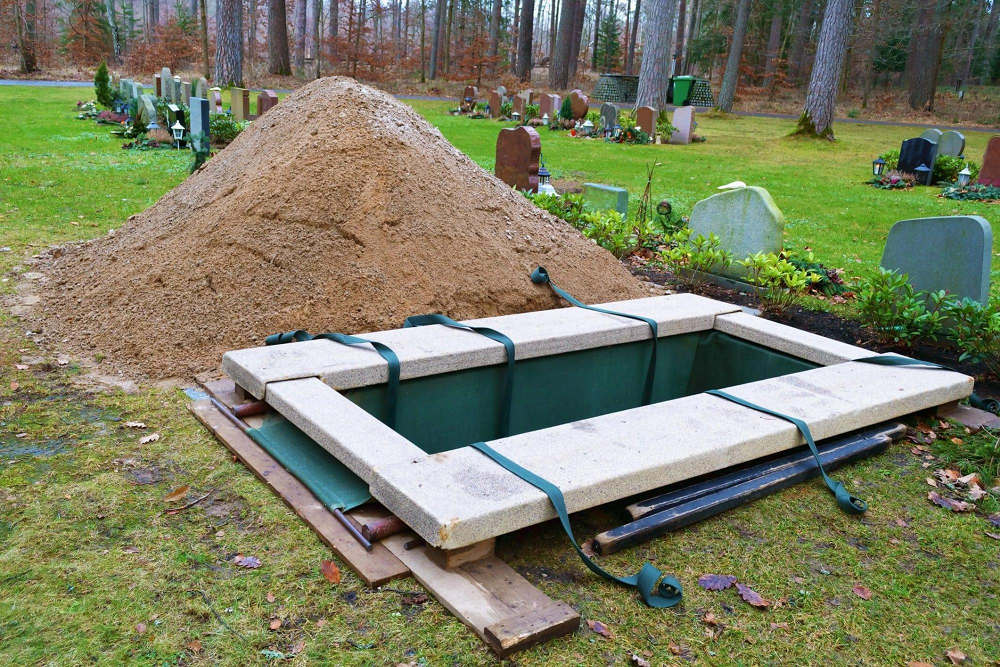
Widespread climate issues are now influencing just about everything we do, including our food and transportation systems.
Even the global funeral industry is currently going through a quiet, yet significant transformation through the adoption of what’s known as environmental burials. Also referred to as green burials, these end-of-life practices are beginning to gain traction in various countries all around the world—and they’re subsequently challenging long-standing traditions.
We recently interviewed Jackson Lytle & Lewis’ environmental burial experts in yellow springs ohio to get a deeper glimpse into how these practices are reshaping how society thinks about factors like land use, death and sustainability. So, check out the below sections to learn more about how environmental burials are changing the very fabric of the funeral industry!
Shifting Away From Traditional Burial Practices
For the last several decades, traditional burials and cremations have effectively dominated the worldwide funeral industry. Although this technically isn’t terrible, a lot of people forget how traditional burials usually involve metal or hardwood caskets, embalming chemicals and concrete vaults—which impose environmental externalities.
And although cremation is known for being space-efficient, it’s also no secret how these practices negatively contribute to air pollution and carbon emissions.
On the other hand, environmental burials provide an eco-friendly alternative that significantly minimizes ecological impact. These funeral practices use biodegradable materials, avoid embalming chemicals, and ultimately allow a decedent’s body to naturally return to the earth’s soil.
As awareness continues to grow around the world about the harmful environmental footprint associated with death care, countless families are beginning to reconsider how their values align with final arrangements.
Growing Adoption Of Environmental Burials Across International Regions
There’s no denying how environmental burial interest has expanded across continents like Europe, North America, Latin America and Asia.
Here in the United States, green cemeteries are skyrocketing in number and are even being integrated into nature preserves and conservation areas. This combination is possible because these burial sites do a wonderful job of prioritizing land stewardship and habitat restoration.
In the United Kingdom, natural burial grounds have been around for a couple decades—but they’re just now becoming more mainstream. In nations like the Netherlands and Germany, many regulations are helping to accommodate eco-friendly burial practices like biodegradable urns and forest burials.
In Asia, there are very strong cultural traditions that emphasize a human’s connection with nature. These traditions have influenced a renewed interest in environmental burials, and this is especially the case in places that are undergoing land scarcity.
In Latin America, many countries are exploring green burial options as urban populations skyrocket and cemetery space subsequently becomes increasingly more limited.
Environmental Burial Benefits Are Driving Tangible Change
The long-term appeal associated with environmental burials is largely oriented around reducing environmental footprints.
By drastically reducing the use of toxic embalming chemicals and non-biodegradable materials, these environmental practices help prevent groundwater and soil contamination. Environmental burials also require far less energy usage in comparison to cremation, which goes even further to reduce a burial’s greenhouse gas emissions.
What’s even more encouraging is that many green burial sites are also serving as conservation areas. For example, trees planted in memorial forests help support biodiversity, restore ecosystems, and create long-lasting environmental benefits that stretch far beyond individual memorials.
Regulatory Challenges & Industry Resistance
Despite increased interest, environmental burials have unfortunately faced a lot of resistance from the traditional funeral industry.
This is largely due to established business models being oriented around vaults, caskets and embalming services that have been slow to adapt to change. In some regions around the world, outdated funeral regulations actually restrict burial practices and mandate embalming—which subsequently limits consumer autonomy.
Regulatory reforms are slowly but surely helping to address these ongoing barriers. Local authorities and governments are stepping up to revise funeral laws in order to better reflect changing cultural priorities. However, progress is uneven and access to environmental burials varies depending on specific locations.
Changing Cultural Attitudes
It’s also safe to say that widespread cultural attitudes are beginning to evolve around the concept of death.
This is particularly the case among younger generations, who are far more likely to prioritize transparency and sustainability while making end-of-life decisions for their parents and grandparents. Many young people consider environmental burials as a death care investment that more closely aligns with their personal values and climate goals.
This cultural shift is subsequently incentivizing countless funeral providers to incorporate green burial options alongside their more conventional services. Many funeral providers are also investing in educational services, which are designed to help families better understand environmental impacts and learn more about these sometimes unfamiliar burial choices.
Environmental Burials Are Creating A Global Rethinking Of End-Of-Life Practices
Today’s environmental burials are proving to be far more than some kind of niche trend, because they’re directly reflecting major cultural changes around the globe in terms of how societies are reassessing the environmental responsibilities associated with death.
And as land resources become more strained and climate pressures inevitably intensify, the mainstream funeral industry is being significantly challenged to adapt and innovate. Even though traditional burial practices aren’t going away anytime soon, the ongoing rise of eco-friendly burials shows a promising trajectory toward choice, sustainability and ecological awareness.
Across countless countries, this quiet transformation is truly redefining what it means for people to leave behind their final legacies—because it’s now not solely personal remembrance, but also a strong consideration for the planet itself!


The Hidden Home Damage That Can Follow Heavy Rain and High Winds

How Human Rights Chambers in the UK Protect People Accused of a Crime Compared to the US

Death toll from Venezuela earthquakes rises to more than 5,200

Texas Amber Alert: 5-year-old Edward Hall missing in Fort Bend County
-
 Legal1 week ago
Man shot and killed by police after pointing gun at people in Austin, Texas
-
 World1 week ago
Death toll from wildfire in southern Spain rises to 13
-
 Politics6 days ago
U.S. sanctions 10 Cuban entities over repression and regime funding
-

 Legal5 days ago
Muslim mall worker critically injured in stabbing over his religion
-

 Legal5 days ago
New Mexico detective convicted of helping drug trafficker evade DEA operations
-

 Legal6 days ago
New York man arrested after livestreaming threats to kill Donald Trump Jr.
-
 Legal6 days ago
Austin police release footage of fatal shooting of man who pointed gun at bystanders
-

 Legal3 days ago
Marine veteran charged with threatening to kill Trump in ‘holy war’