
Reviews
10 Maintenance Moves That Cut Crash Risk

If you want to know the fastest way to cut your crash risk, the answer is simple: keep up with a few basic maintenance habits. Many vehicle collisions aren’t caused by wild surprises on the road, but by cars that can’t stop, steer, or see as well as they should.
In this guide, you’ll get a clear, practical rundown of ten maintenance moves that make the biggest difference in everyday safety.
1. Keep Tire Pressure in the Safe Zone
Your tires are the only part of your car touching the road. So, pressure that is too low or uneven can create sloppy handling and longer stopping distances.
Check your tire pressure at least once a month and always before long drives. It takes less than five minutes, and it makes every safety system in your car work better.
2. Replace Worn Brake Pads Before They Become Dangerous
Brakes are a classic example of out‑of‑sight, out‑of‑mind, but worn pads dramatically increase stopping distance. In a study by SAE International, researchers highlight how brake‑pad degradation is tightly connected to real changes in braking performance.
A good rule is to check your pads every time you rotate your tires. Check them earlier if you hear grinding or squealing.
And when purchasing new pads, discover trusted brake pad brands that match your specific vehicle’s needs.
3. Keep an Eye on Brake Dust and Debris
Brake dust may seem like a cosmetic issue, but buildup can hint at uneven wear or overheating components. Excess dust often reflects heavy pad wear or aggressive braking patterns.
While a little dust is normal, sudden increases can indicate that your pads or rotors need attention. Light cleaning and periodic inspections help keep everything functioning smoothly.
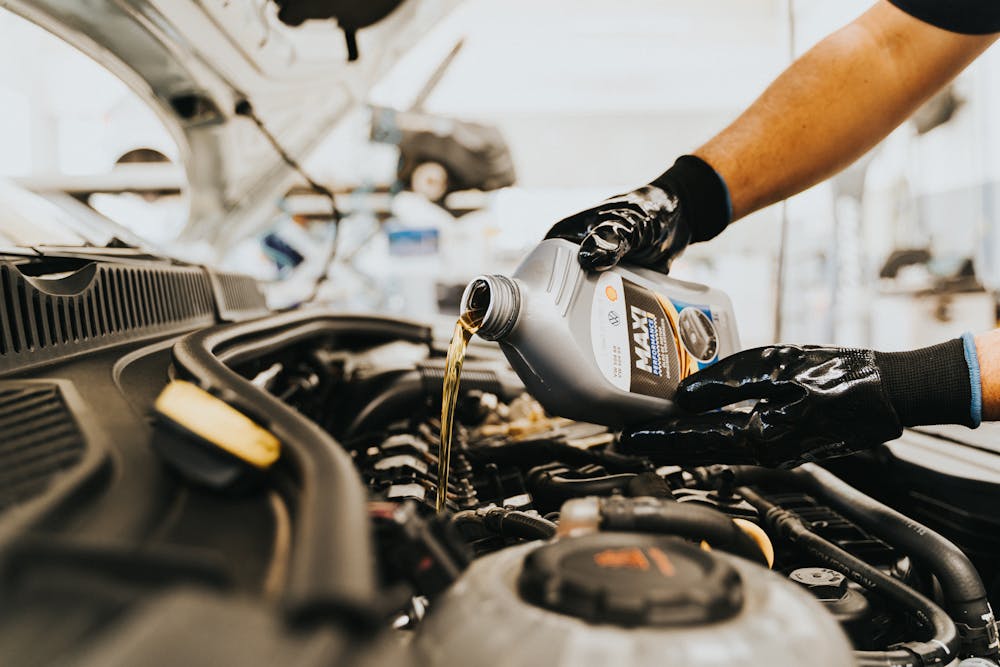
4. Stick to a Consistent Oil‑Change Schedule
Clean oil helps your engine run cooler and deliver power more reliably. When oil is degraded or low, the engine may hesitate under load, which can affect how quickly you accelerate out of dangerous situations.
Following your vehicle’s recommended change interval is a surprisingly powerful way to maintain consistent performance when you need it most. So, don’t overlook it.
5. Keep Your Lights Bright and Fully Working
Headlights, brake lights, and turn signals are some of your most important communication tools on the road. A dim headlight can hide a pedestrian, while a broken brake light can mislead the driver behind you.
Check your lights monthly by walking around the car with the lights on. And replace bulbs right away when they go out.
6. Rotate Tires to Even Out Wear
Tires wear differently depending on whether they are in the front or rear. And uneven wear can make your car unpredictable in wet or icy conditions.
Rotating your tires every 5,000 to 7,500 miles helps maintain balanced traction. Many drivers combine this with inspections of pads, rotors, and suspension components.
7. Refresh Wiper Blades Twice a Year
Good visibility cuts car crash risk more than many drivers realize. If your wipers streak, chatter, or leave foggy patches, they need replacing.
New blades make a huge difference during sudden downpours or dusty conditions. Pair this with topping up washer fluid, especially in winter or pollen seasons.
8. Keep Your Windshield Clean and Chip‑Free
Even a small chip can throw a distracting glare at night or spread into a crack that compromises visibility. Fix chips early and avoid parking in direct sun when possible. A clean windshield improves reaction time during split‑second moments.
9. Update Safety‑System Calibrations
Modern cars rely on sensors for lane‑keeping, automatic braking, and blind‑spot alerts. When these sensors fall out of calibration because of potholes, minor bumps, or windshield replacement, the systems may not work correctly.
Regular calibrations ensure those helpers are ready when you need them.
10. Ensure Your Battery and Charging System Are Healthy
A weak battery can cause your car to stall, hesitate, or trigger false warning lights. Testing your battery once a year helps catch problems early. Reliable electrical power supports everything from power steering to emergency braking systems.
Setting Yourself Up for Safer Miles Ahead
A little routine maintenance goes a long way toward preventing the kinds of mechanical issues that often lead to collisions. Most of these steps take only a few minutes, and building them into your regular habits helps your car stay predictable, responsive, and safe.
If you enjoy learning about practical driving tips, consider checking out more articles on this site that explore easy ways to keep your vehicle road‑ready.


Army veteran attacks federal building in New York City; 3 injured

Death toll from Venezuela earthquakes rises to more than 5,200

Texas Amber Alert: 5-year-old Edward Hall missing in Fort Bend County

Tropical depression forms in Gulf, expected to strengthen
-

 Legal1 week ago
Man shot and killed by police after pointing gun at people in Austin, Texas
-

 World1 week ago
Death toll from wildfire in southern Spain rises to 13
-

 Politics7 days ago
U.S. sanctions 10 Cuban entities over repression and regime funding
-

 Legal6 days ago
Muslim mall worker critically injured in stabbing over his religion
-

 Legal6 days ago
New Mexico detective convicted of helping drug trafficker evade DEA operations
-

 Legal7 days ago
New York man arrested after livestreaming threats to kill Donald Trump Jr.
-

 Legal7 days ago
Austin police release footage of fatal shooting of man who pointed gun at bystanders
-

 Legal4 days ago
Marine veteran charged with threatening to kill Trump in ‘holy war’