
Reviews
9 Steps To Maintain Commercial Refrigeration For Performance and Longevity

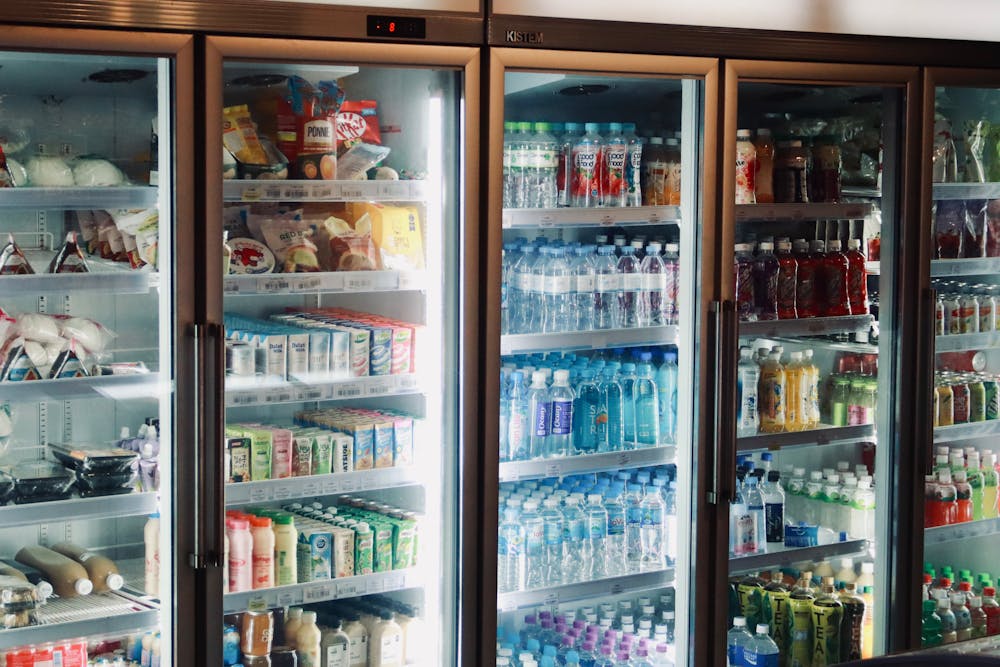
Commercial refrigeration equipment optimally works to ensure consistent performance and the protection of your products. In addition to protecting your products, reducing the chances of breakdowns, and increasing the lifespan of your equipment. This guide provides nine simple yet important steps to ensure that your commercial refrigeration equipment will be as reliable as possible.
1. Inspect and Clean Condenser Coils Regularly
Always remember that debris will build up on the coils of your commercial refrigeration unit. This means that it will cause your compressor to use more energy and work harder than it should. That’s why inspecting your coils ensures that damage and corrosion stay minimal on your unit. Making it a habit to clean your coils will increase the lifespan of your unit and ensure that your temps stay low.
2. Check and Maintain Door Seals
Door seals, or gaskets, prevent warm air from infiltrating the refrigerated sections of your unit. Because door seals are made of rubber, this fabric can become warped, reducing the unit’s cooling performance. Seals should be moist wiped using a mild solution to prevent the rubber from deteriorating. This ensures that your door seals are performing optimally and that you are not losing money due to energy waste.
3. Monitor Temperature Settings
Adjust and monitor control settings to ensure the unit runs within the correct temperature range. Temperature spikes and drops might indicate mechanical problems or insufficient airflow. By adjusting the control settings and monitoring the temperature, you avoid unnecessary energy use. Furthermore, it will keep the refrigeration system running and protect your stored goods, which is important.
4. Clean and Organise Interior Compartments
The interior of refrigeration units should be kept clean and well-organised to promote airflow. Remove expired or unnecessary items and wipe down shelves with approved cleaning agents. Proper organisation allows air to circulate freely, maintaining even temperatures throughout the compartment. This practice enhances performance, minimises strain on compressors, and supports a clean space.
5. Inspect and Maintain Drain Lines
Drain lines and pans collect condensation and prevent water from accumulating inside or around the unit. Blocked drains can cause leaks or unpleasant odours, compromising refrigeration performance. Regularly check lines for clogs and flush them as needed to ensure proper drainage. Maintaining these components prevents water damage and ensures that refrigeration units operate smoothly.
6. Check Refrigerant Levels and System Pressure
Commercial Refrigeration levels are critical for effective cooling, and low or uneven distribution can lead to inefficient performance or system damage. Detecting leaks or irregular pressure early helps prevent compressor strain and extends equipment life. Maintaining correct refrigerant levels ensures consistent temperature control, energy efficiency, and reliability of the refrigeration system, safeguarding products.
7. Schedule Professional Maintenance and Servicing
Technicians can perform comprehensive inspections and carry out preventive repairs that are not visible during daily checks. Scheduling regular servicing helps detect wear and tear, maintain optimal performance, and avoid unexpected breakdowns. By combining in-house maintenance with expert support, you ensure that commercial refrigeration units deliver consistent performance and longevity.
8. Ensure Proper Airflow Around the Unit
Adequate airflow around refrigeration units supports efficient heat release and stable operation. When vents, grills, or surrounding spaces become blocked by storage items or dust, the system struggles to disperse heat, which increases the workload on internal components. Regularly checking clearance around the unit and keeping ventilation areas unobstructed helps maintain balanced airflow.
9. Keep Condenser and Evaporator Fans in Good Condition
Condenser and evaporator fans play a vital role in moving air across coils and maintaining balanced temperatures within the refrigeration system. When fan blades collect dust or motors begin to wear, airflow becomes restricted, causing uneven cooling and increased system strain. Regular inspection and gentle cleaning help identify early signs of noise, vibration, or reduced performance.
Ensuring Reliable and Efficient Refrigeration
Maintaining commercial refrigeration is a systematic process that safeguards products, reduces energy costs, and extends equipment lifespan. By following these steps, you can create a reliable and efficient system. Proper maintenance supports operational continuity, product safety, and energy efficiency, making your commercial refrigeration a dependable partner in any business environment.


Army veteran attacks federal building in New York City; 3 injured

Death toll from Venezuela earthquakes rises to more than 5,200

Texas Amber Alert: 5-year-old Edward Hall missing in Fort Bend County

Tropical depression forms in Gulf, expected to strengthen
-

 Legal1 week ago
Man shot and killed by police after pointing gun at people in Austin, Texas
-

 World1 week ago
Death toll from wildfire in southern Spain rises to 13
-

 Politics7 days ago
U.S. sanctions 10 Cuban entities over repression and regime funding
-

 Legal6 days ago
Muslim mall worker critically injured in stabbing over his religion
-

 Legal6 days ago
New Mexico detective convicted of helping drug trafficker evade DEA operations
-

 Legal7 days ago
New York man arrested after livestreaming threats to kill Donald Trump Jr.
-

 Legal7 days ago
Austin police release footage of fatal shooting of man who pointed gun at bystanders
-

 Legal4 days ago
Marine veteran charged with threatening to kill Trump in ‘holy war’