
Reviews
Small Bathroom Changes That Make a Big Difference in Daily Life

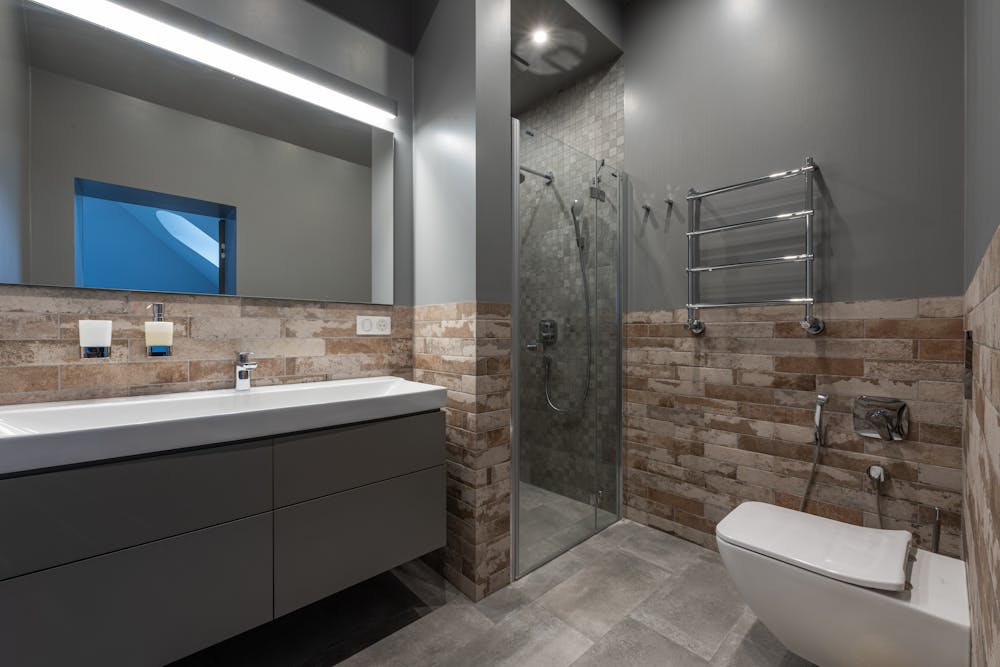
You notice it most on rushed mornings, when the mirror fogs too fast, the outlet is in the wrong place, and there’s barely room to turn around without bumping into something. The bathroom is usually the smallest room in the house, yet it carries a heavy load every single day. It handles early alarms, late nights, sick days, and quiet moments before work. When it doesn’t function well, the friction shows up quickly.
In Pittsburgh, that friction is common. Many homes were built decades ago, long before today’s storage needs or larger fixtures were standard. Even newer builds often carry tight layouts that don’t quite match modern routines. Narrow footprints, awkward plumbing placement, and dated shower stalls create daily inconvenience. Homeowners here feel it. They may not say it directly, but they live it each morning.
Rethinking the Shower Space
The shower is used more than almost any other feature in the home. It wakes people up, rinses off long days, and sometimes becomes the only quiet moment before bed. Yet in many houses, the shower feels like an afterthought. Small enclosures, high thresholds, cloudy doors, and aging tile make the experience less comfortable than it should be.
Upgrading this space does not always mean tearing the entire bathroom apart. Even modest adjustments, like clear glass panels, low-entry bases, better lighting, and built-in shelving, shift how the room feels. Water pressure, drainage, and ease of cleaning also matter more than most realize. When the shower works smoothly, mornings move faster. When it feels open and bright, the entire room seems larger.
Many homeowners are considering a modern shower installation in Pittsburgh to upgrade their baths and optimize the space in a better way. The focus is often on efficiency and layout rather than luxury alone. Many are working within older footprints and need solutions that respect limited square footage. A well-planned shower update can modernize the space without expanding walls or changing plumbing locations dramatically. That kind of practical improvement tends to deliver daily returns.
Lighting Changes Everything
Bathrooms often rely on a single ceiling fixture placed in the center of the room. That setup leaves shadows around the mirror and corners. It works, technically. But it rarely works well.
Layered lighting makes a noticeable difference. Adding side lighting near the mirror reduces harsh shadows. Warmer bulbs create a softer feel in the evening. Even a simple dimmer switch changes how the room functions at night versus early morning.
It’s a small shift. Still, light shapes mood and visibility. In a room where tasks like shaving or applying makeup happen, better lighting reduces frustration. And that reduction in friction, repeated daily, adds up.
Hardware and Fixtures Matter More Than You Think
Faucets that drip slightly or handles that stick don’t seem urgent. But those small irritations build over time. Replacing outdated hardware with modern, smooth-functioning pieces changes the feel of the room without major construction.
The same goes for showerheads and sink fixtures. Water flow, spray pattern, and ease of adjustment shape daily comfort. Many homeowners are surprised by how much a new fixture improves their routine. It’s not dramatic. It’s steady.
Finishes also influence perception. Brushed metal hides fingerprints better than high-gloss chrome. Matte surfaces soften the look. These details might sound cosmetic, but they affect maintenance and long-term satisfaction.
Storage That Matches Real Life
Most bathrooms were designed for a different era. Fewer products. Fewer electronics. Simpler routines. Today, countertops collect hair tools, skin care bottles, chargers, and medications.
Instead of expanding the room, smarter storage often solves the issue. Recessed medicine cabinets, floating shelves, or drawers built into vanities create order without crowding the floor. Vertical storage is especially helpful in tight layouts.
Clutter is not just visual. It slows people down. Searching for a hairbrush or moving items aside to plug something in costs time. Clean surfaces, even in small spaces, make routines feel calmer.
Flooring That Feels Stable
Bathroom floors endure constant moisture. Over time, grout stains, tiles crack, and surfaces become slippery. Replacing flooring in a small bathroom is often more manageable than people expect.
Modern materials offer better slip resistance and easier cleaning. Luxury vinyl planks, for example, provide water resistance and warmth underfoot. Textured tile adds grip without sacrificing appearance.
When flooring feels solid and safe, the entire room gains a sense of reliability. No one wants to step into a space that feels unstable first thing in the morning.
Accessibility Without Sacrificing Style
As households change, so do physical needs. Aging parents move in. Injuries happen. Mobility shifts. Bathrooms that once felt fine may become difficult to navigate.
Simple upgrades like grab bars, wider shower entries, and handheld showerheads increase usability. Today’s designs blend these features into the room without making it feel clinical. Thoughtful placement keeps the look clean while improving safety. These changes are often easier to implement during small remodels rather than waiting for a crisis. Planning ahead avoids rushed decisions later.
Ventilation and Air Quality
It’s easy to overlook ventilation because it’s not visible. Yet moisture lingers after every shower. Without proper airflow, paint peels and mold grows in hidden corners.
Upgrading a bathroom fan or adding a humidity sensor prevents long-term damage. Newer systems operate quietly, which encourages consistent use. Good ventilation protects walls and ceilings, but it also keeps the room smelling fresh and feeling dry.
The benefit is subtle. You notice it more when it’s missing than when it’s working.
The Cumulative Effect of Small Improvements
None of these changes alone will transform a home. But together, they reshape daily experience. The bathroom is visited multiple times a day by every member of the household. Improvements are multiplied by frequency.
In an era when people work from home more often and value comfort over constant renovation trends, practical upgrades feel more relevant. Consumers are shifting toward projects that deliver everyday ease instead of flashy redesigns.
Small bathroom changes do not demand grand statements. They demand attention to routine. They remove minor obstacles that once felt normal.
And that’s the real impact. When a room supports your rhythm instead of interrupting it, the difference is felt quietly. Not in dramatic before-and-after photos, but in mornings that run a little smoother and evenings that feel slightly less rushed. Over time, those small gains matter more than expected.



-

 Legal1 week ago
Man shot and killed by police after pointing gun at people in Austin, Texas
-

 World1 week ago
Death toll from wildfire in southern Spain rises to 13
-

 Politics1 week ago
U.S. sanctions 10 Cuban entities over repression and regime funding
-

 Legal6 days ago
Muslim mall worker critically injured in stabbing over his religion
-

 Legal6 days ago
New Mexico detective convicted of helping drug trafficker evade DEA operations
-

 Legal1 week ago
New York man arrested after livestreaming threats to kill Donald Trump Jr.
-

 Legal1 week ago
Austin police release footage of fatal shooting of man who pointed gun at bystanders
-

 Legal4 days ago
Marine veteran charged with threatening to kill Trump in ‘holy war’