
Reviews
The Gig Economy’s Traffic Problem: Why Delivery Accidents Are Increasing?

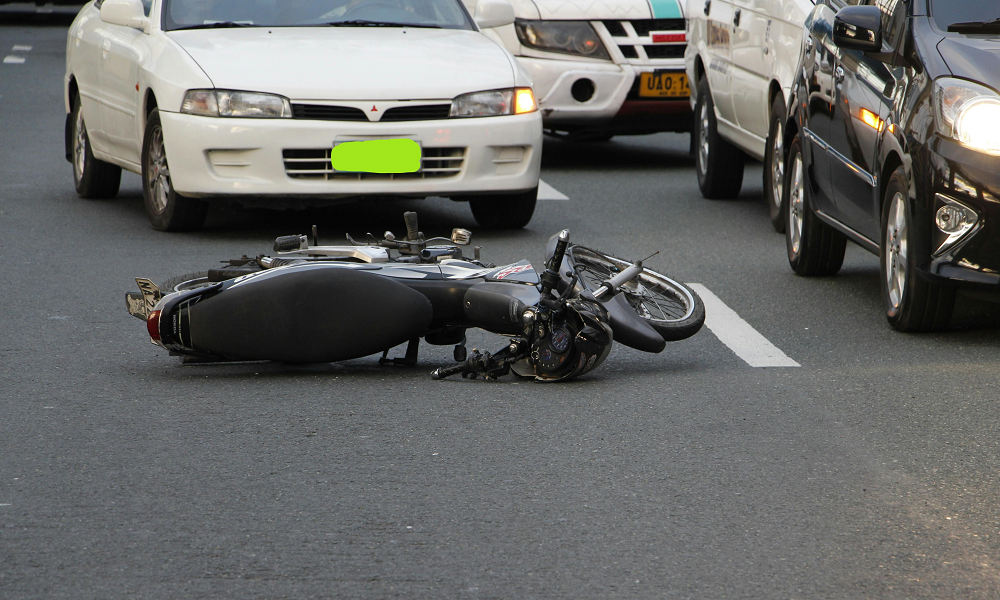
Today, cities move with more urgency than ever. Electric scooters zip between sedans, cyclists glide past buses, and drivers double-park their vans as they rush to complete orders. This has now become a defining feature of urban life. The gig economy promised convenience at the tap of a screen, and it delivered. But it also unleashed tens of thousands of vehicles onto infrastructure that was never designed to accommodate them. Let’s take a closer look at the growing gig economy and the increasing traffic issues.
The Data Tells a Sobering Story
Traffic data from major cities have all reported sharp increases in accidents involving delivery vehicles and gig workers over the past three years. More delivery vehicles mean more collisions, more close calls, and more residents questioning when infrastructure will catch up.
The problem isn’t just cars. E-bikes and electric scooters, the vehicle of choice for many app-based couriers, occupy a gray zone in traffic law. They travel faster than bicycles, but lack the oversight applied to motorcycles, creating predictable safety conflicts.
Riders often shift between sidewalks and roads based on perceived risk and increase uncertainty for both pedestrians and drivers. Quiet motor reduces audible warning, so pedestrians may step into their path without noticing. Drivers turning across bike lanes also misjudge their speed, which can lead to frequent near-misses and collisions.
Infrastructure Falling Behind
City infrastructure hasn’t kept pace with the flood of delivery traffic either. Bike lanes that seemed adequate a decade ago are now overwhelmed. Loading zones are virtually nonexistent in older neighborhoods, forcing drivers to stop wherever they can. The result is a patchwork of improvised solutions such as vans idling in bus lanes, scooters parked on sidewalks, and cyclists riding against traffic to shave seconds off delivery times.
Some cities have added delivery zones and expanded bike networks, while others have proposed stricter e-bike licensing or delivery vehicle caps. Yet resistance persists from platforms warning of reduced service, workers fearing income loss, and consumers expecting twenty-minute deliveries.
The Motorcycle Surge and Insurance Gaps
Motorcycles and mopeds have also flooded city streets. Unlike e-bikes, these require licenses and insurance, but enforcement is inconsistent. Economic pressure and lax oversight mean some riders operate without proper documentation. When crashes occur, the insurance void becomes critical. Victims of serious collisions often turn to an injury attorney to navigate disputes, especially when the at-fault driver works for a platform that classifies them as an independent contractor rather than an employee.
The contractor vs employee distinction is an integral discussion around gig economy accountability. Some platforms classify their drivers as independent contractors, a designation that limits corporate liability when accidents occur. While those companies do provide insurance coverage during active deliveries, a substantial gap still remains.
Coverage can vary depending on what the driver was doing at the moment of impact. He could be en route to pick up an order, carrying it, or simply logged into the app and waiting. Each stage triggers a different level of protection, and in some cases, there may be no protection at all. The policies can differ from company to company.
For example, a delivery rider logged into the app, but was waiting for the order when the crash happened, may not be compensated at all because they weren’t actively delivering at the time of the accident. This leaves the driver/victim to rely on personal insurance and receive no coverage at all.
The Human Cost of Speed
Data doesn’t capture human reality. Delivery workers, many logging brutal hours, face constant pressure to move faster. Algorithms reward speed, and the rating systems punish delays. The economic model itself incentivizes risk-taking: running red lights to beat timers, cutting through traffic for the next pickup, skipping helmets to save time. These aren’t reckless decisions but rather rational responses to a system valuing throughput over safety.
Pedestrians experience the shift as an invasion. Sidewalks, once predictable, now demand constant vigilance, whereas crosswalks become negotiation zones rather than safe passage. Parents with strollers, elderly residents, and people with disabilities navigate an increasingly hostile environment. The convenience of on-demand delivery comes at a cost that isn’t evenly distributed. Clearer lane enforcement, designated parking and pickup zones, and stricter speed limits in pedestrian areas can help restore safety and balance for everyone.
Endnote
As accidents continue to climb, the question is no longer whether cities need to adapt, but how quickly they can do so before the human cost becomes impossible to ignore. The gig economy reshaped commerce in less than a decade, but now it’s reshaping the very streets we walk on, and it’s not always for the better.



-
 Legal1 week ago
Man shot and killed by police after pointing gun at people in Austin, Texas
-

 World1 week ago
Death toll from wildfire in southern Spain rises to 13
-

 Politics1 week ago
U.S. sanctions 10 Cuban entities over repression and regime funding
-

 Legal6 days ago
Muslim mall worker critically injured in stabbing over his religion
-

 Legal6 days ago
New Mexico detective convicted of helping drug trafficker evade DEA operations
-

 Legal1 week ago
New York man arrested after livestreaming threats to kill Donald Trump Jr.
-
 Legal1 week ago
Austin police release footage of fatal shooting of man who pointed gun at bystanders
-

 Legal4 days ago
Marine veteran charged with threatening to kill Trump in ‘holy war’