
Reviews
E-Bikes for People With Disabilities: Reclaiming Mobility and Freedom

Electric bikes, also known as ebikes, are known for their benefits, including cost-effectiveness, convenience and eco-friendly commuting. Apart from these advantages, electric bikes are very helpful for people with disabilities. These innovative vehicles are helping individuals overcome physical limitations, regain independence, and experience a renewed sense of freedom.
Limited mobility is one of the biggest problems that persons with disabilities confront. Many people have trouble using conventional forms of transportation. Riding a regular bicycle, taking public transportation, or walking long distances can all be difficult for a person with disabilities.
Enhancing transportation for disabled people
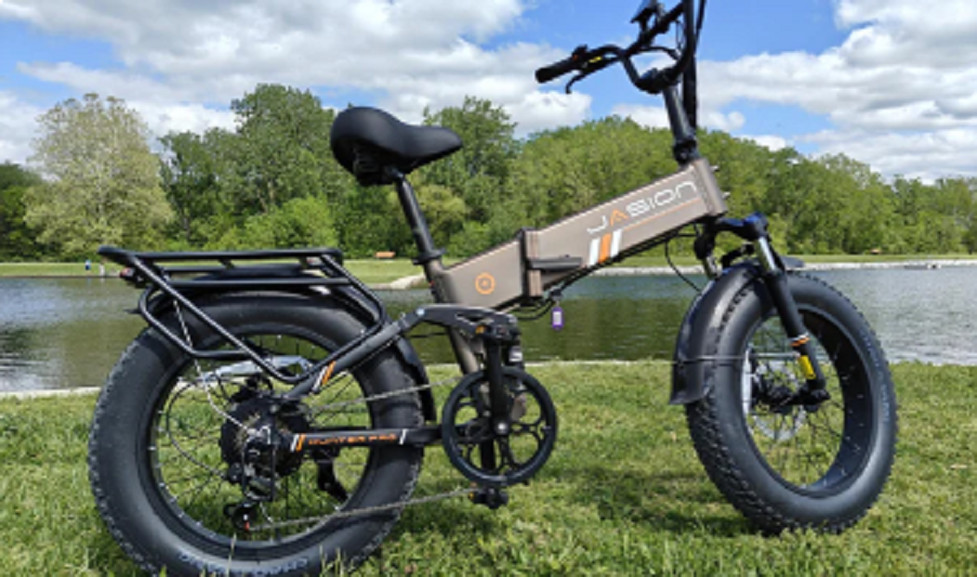
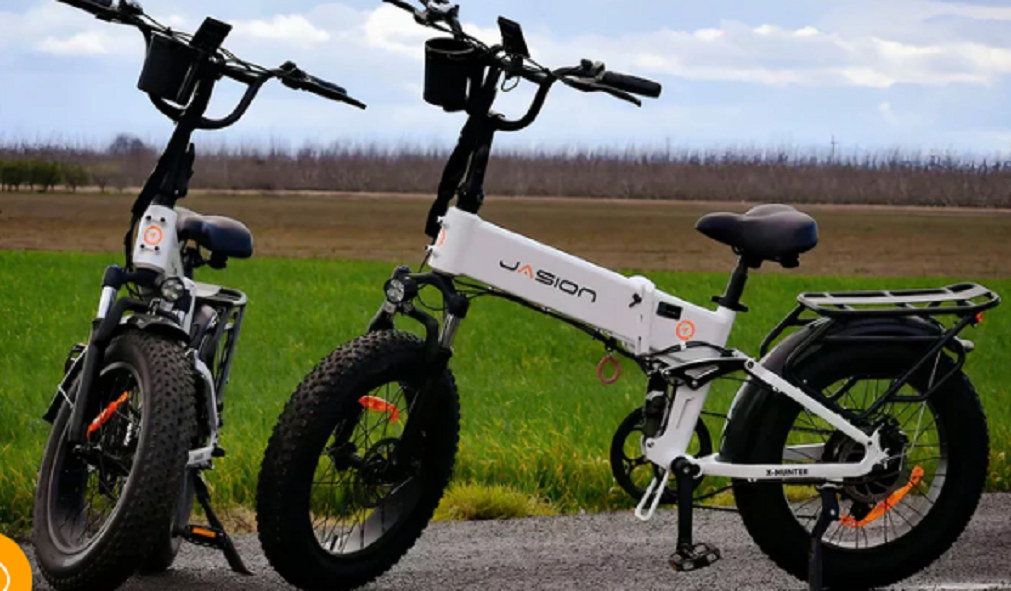
Electric bikes come in a variety of designs. Certain models suit certain people. For example, a fat tire electric bike provides extra stability, making it ideal for everyone. There are many options available for disabled people, making electric bikes an all-rounder mode of transportation.
Overcoming Physical limitation
People with disabilities frequently have trouble moving on their own because of weakness, balance problems, or long-term medical disorders. Cycling requires less physical effort due to the electric aid provided by e-bikes. It is easier for riders to travel farther without becoming tired since they may adjust the level of support. This makes it easier and more confident for people to carry out everyday activities like going to work, school, or the marketplace.
Adaptive Designs for Various Requirements
E-bikes come in a range of styles to accommodate various limitations. Hand-powered e-bikes are perfect for people who are unable to use their legs, while tricycles provide additional stability for people with balance issues. By offering a comfortable seating position, recumbent e-bikes lessen joint and back strain. People with a variety of disabilities can use e-bikes safely and comfortably thanks to these tailored solutions.
Enhanced Self-Sufficiency and Liberty
The independence that e-bikes offer is one of their most significant advantages. People can travel according to their own schedule rather than depending on others or public transportation. In addition to saving time, this independence fosters self-assurance and independence. People feel more a part of society and their environment when they are able to move about freely.
Benefits of self-transportation for disabled people
There are many benefits of electric bikes for disabled people. They don’t need to rely on other people or public transportation to travel. They save time and travel comfortably.
Emotional and Mental Health
Limited mobility may result in reduced social engagement and loneliness among many people. By allowing them to go out, make friends, and explore their surroundings, e-bikes enable people to re-establish a connection with the outside world. This raises self-esteem, lowers stress, and enhances mood. Riding outside can have a profoundly favorable effect on one’s emotional well-being.
Benefits of Fitness and Health
Riders still require physical exercise when riding an electric bike, even though it offers motor assistance. They are, therefore, an excellent choice for a low-impact workout. Frequent use can enhance general fitness, muscle strength, and heart health. This kind of exercise is particularly helpful for individuals with disabilities because it encourages movement while being kind to the body.
Economic and Environmental Advantages
E-bikes have economic and environmental benefits in addition to increasing mobility for individuals with impairments. They contribute to cleaner cities and less pollution because they emit no emissions. E-bikes are less expensive to run and maintain than autos. For those looking for sustainability and independence, this makes them an affordable and environmentally responsible mode of transportation.
Challenges and Future Potential
People with disabilities can benefit greatly from e-bikes, but there are still a number of issues that need to be resolved. Affordability is a significant problem. Adaptive e-bikes, which have unique characteristics like additional stability or hand controls, are costly. Since they are not often covered by insurance or government assistance, many people cannot afford them. Inadequate infrastructure is another problem. It is challenging to use e-bikes comfortably in many places because bike lanes and roads are unsafe or inaccessible for riders with disabilities.
There is also a lack of awareness. Many individuals don’t think about e-bikes since they don’t know that they can be modified to accommodate various disabilities. In addition, maintenance and repair services for e-bikes are not always easily available, which can discourage long-term use.
E-bikes have a bright future despite these obstacles. They are becoming more effective, lightweight, and adjustable thanks to technological developments. By providing subsidies and enhancing bicycle infrastructure, governments and organizations are starting to promote equitable mobility. E-bikes have the potential to become more accessible and extensively used, assisting individuals with disabilities in gaining independence and enhancing their quality of life, as awareness increases and innovation persists.
Conclusion
People with disabilities are living better lives because of e-bikes, which make transportation safer, easier, and more accessible. They increase independence and improve mental health in addition to improving physical health and mobility. E-bikes have the potential to build a more inclusive society where everyone may enjoy the freedom of movement with sustained development and support.



-

 Legal1 week ago
Man shot and killed by police after pointing gun at people in Austin, Texas
-

 World1 week ago
Death toll from wildfire in southern Spain rises to 13
-

 Politics1 week ago
U.S. sanctions 10 Cuban entities over repression and regime funding
-

 Legal7 days ago
Muslim mall worker critically injured in stabbing over his religion
-

 Legal7 days ago
New Mexico detective convicted of helping drug trafficker evade DEA operations
-

 Legal16 hours ago
Sinaloa Cartel leader ‘El Mayo’ sentenced to life in U.S. prison
-

 Legal1 week ago
New York man arrested after livestreaming threats to kill Donald Trump Jr.
-

 Legal1 week ago
Austin police release footage of fatal shooting of man who pointed gun at bystanders