
Reviews
From Roof to Radiators: Mastering Home Maintenance in Every Season


Owning a home is one of the most rewarding milestones there is, but it also brings responsibilities that don’t come with an instruction manual. Staying on top of maintenance from the outset protects your investment and keeps your home comfortable year-round.
1. Seasonal Inspections
The UK climate is varied enough that different times of year bring different risks to your property. Gutters should be cleared at least twice a year, in spring after winter debris accumulates and in autumn before leaf fall causes blockages. Left uncleared, blocked gutters can force water back against the fascia and into wall cavities. In spring, inspect the roof for any displaced or cracked tiles after winter storms. Check window seals and door frames for gaps that may have opened in cold weather, and look for any early signs of dampness on internal walls, particularly in corners and around window reveals. Autumn is the time to service your boiler before it faces peak demand, bleed the radiators to remove airlocks, and insulate any exposed external pipework before the first frost.
2. Energy Efficiency
Heating a home accounts for the largest share of most household energy bills in the UK, so keeping systems running efficiently matters both financially and environmentally. The government’s guidance on improving home energy efficiency covers everything from insulation top-ups to boiler upgrades and smart meter installation. New homes are built to modern energy efficiency standards, with better insulation and contemporary heating systems as standard, meaning running costs are typically lower than in older properties. That said, it still pays to have your boiler serviced annually and to check that loft insulation hasn’t been disturbed during any post-move work.
3. Indoor Air Quality
Poor ventilation is one of the most common and most overlooked problems in UK homes. According to a survey highlighted by the government in 2024, damp and mould have reached a five-year high in English properties, affecting around 5% of all households. The cause is frequently simple: insufficient airflow. Make a habit of opening windows daily, using extractor fans whenever cooking or showering, and keeping trickle vents unblocked. If condensation is forming consistently on cold surfaces, a dehumidifier can help manage moisture levels while you identify any underlying cause.
4. DIY vs Professional Help
Knowing which jobs to tackle yourself and which to hand over is one of the most important skills a homeowner can develop. Painting, grouting, bleeding radiators, and replacing tap washers are all well within the reach of most people with basic tools and a little patience. Electrical work, gas appliances, structural changes, and anything involving the roof or drainage are a different matter entirely, and these require qualified professionals, and attempting them without the right expertise can create safety risks and void insurance policies. When in doubt, get a quote first. The cost of professional work is almost always lower than the cost of doing a DIY job wrong.
Staying proactive about maintenance is far less disruptive than dealing with problems reactively. A small amount of time invested each season keeps your home in sound condition and can prevent costly repairs further down the line.



-

 Legal1 week ago
Man shot and killed by police after pointing gun at people in Austin, Texas
-

 World1 week ago
Death toll from wildfire in southern Spain rises to 13
-

 Politics1 week ago
U.S. sanctions 10 Cuban entities over repression and regime funding
-

 Legal7 days ago
Muslim mall worker critically injured in stabbing over his religion
-

 Legal7 days ago
New Mexico detective convicted of helping drug trafficker evade DEA operations
-

 Legal16 hours ago
Sinaloa Cartel leader ‘El Mayo’ sentenced to life in U.S. prison
-

 Legal1 week ago
New York man arrested after livestreaming threats to kill Donald Trump Jr.
-
 Legal1 week ago
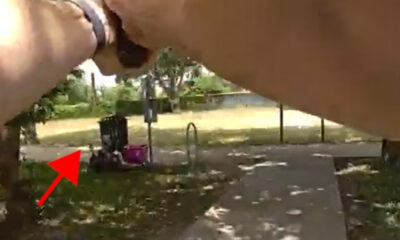
Austin police release footage of fatal shooting of man who pointed gun at bystanders