
Reviews
How Aging Impacts Oral Health and What You Can Do About It

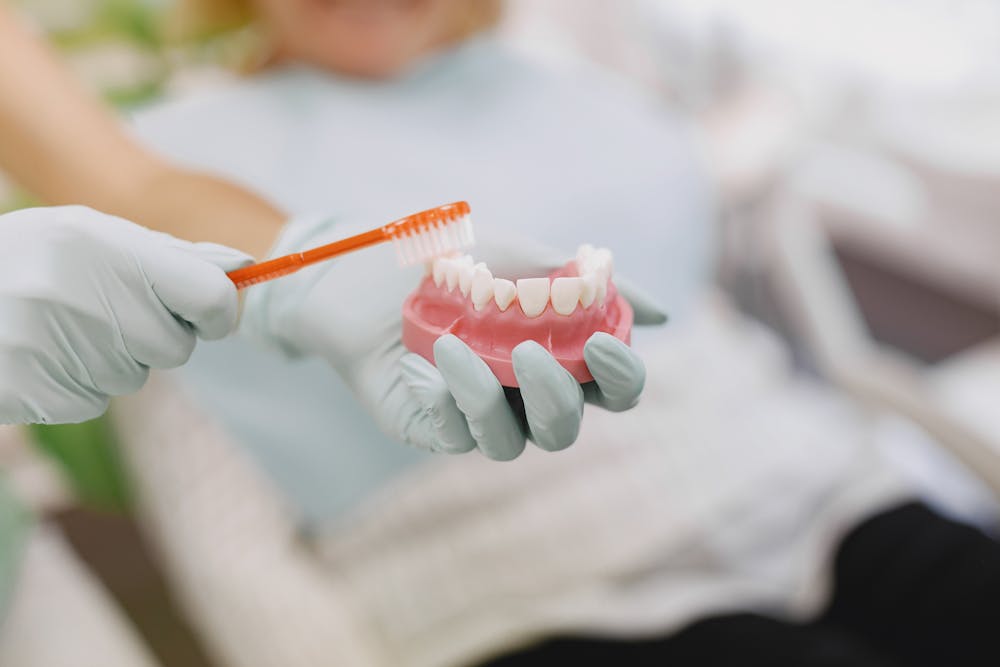
As we age, our bodies go through gradual changes, and the mouth is no exception. Saliva production may slow down, enamel can wear thin, and gum tissue often becomes more fragile. These shifts may seem minor at first, but over time, they can affect how comfortably you eat, speak, and maintain daily oral hygiene. Many older adults also manage chronic health conditions, which can further influence oral health in ways that are not always obvious.
Maintaining oral health is not just about preserving your smile. It plays a direct role in overall wellness, including proper nutrition, infection control, and even confidence in social situations. Tooth loss is one of the most significant challenges people face as they get older, often leading to reliance on traditional solutions like dentures. While these have helped many for decades, they don’t always restore full function.
Tooth Loss, Functional Decline, and Limitations of Traditional Solutions
Tooth loss becomes increasingly common with age, often due to gum disease, decay, or years of wear and tear. When teeth are missing, simple tasks like chewing can become difficult, leading people to avoid certain foods. This can affect nutrition over time, especially if harder, nutrient-rich foods are no longer part of the diet.
Traditional dentures have long been used to replace missing teeth, but they come with limitations. Many patients experience slipping, discomfort, or reduced bite strength, which can make everyday activities like eating and speaking more challenging. Because of these ongoing concerns, many people begin looking for more stable, long-lasting alternatives that better mimic natural teeth. This growing need for improved function and comfort has led to increased interest in solutions like dental implants after dentures, which can enhance stability, restore chewing ability, and help reduce ongoing bone loss in the jaw.
Dry Mouth (Xerostomia) and Medication Side Effects
Dry mouth is a common issue among older adults, and it is often linked to medications used to manage conditions like high blood pressure, anxiety, or chronic pain. When saliva production decreases, the mouth loses one of its natural defenses against bacteria. This can increase the risk of cavities, bad breath, and oral infections.
Saliva also plays a key role in digestion and comfort. Without enough of it, eating and speaking can feel more difficult. Managing dry mouth often involves simple but consistent steps. Staying hydrated, using saliva substitutes, and reviewing medications with a healthcare provider can all make a noticeable difference in daily comfort and oral health.
Gum Recession and Increased Risk of Root Decay
As people age, the gums naturally begin to recede, exposing more of the tooth’s root surface. Unlike enamel, these exposed areas are softer and more vulnerable to decay. This makes cavities more likely to develop quickly, especially as oral hygiene becomes more challenging over time.
Preventing root decay requires a more targeted approach. Using fluoride toothpaste, brushing gently with a soft-bristled brush, and maintaining regular dental visits can help protect these sensitive areas. Early detection is especially important, since treating decay at the root level can become more complex if it progresses unnoticed.
Jawbone Density Loss and Changes in Facial Structure
As teeth are lost, the jawbone no longer receives the stimulation it needs to stay strong. Over time, this leads to bone resorption, where the bone begins to shrink. This process can change the shape of the face, often creating a more sunken or aged appearance. It can also affect how well dental prosthetics fit. These structural changes may develop gradually, making them easy to overlook at first.
Bone loss does more than alter appearance. It reduces support for remaining teeth and can make future dental treatments more complex. Addressing tooth loss early and exploring options that help maintain bone structure can play a key role in preserving both function and facial balance. Early intervention often leads to more predictable and lasting outcomes.
The Connection Between Oral Health and Systemic Conditions
Oral health is closely linked to overall health, especially as people age. Gum disease, in particular, has been associated with conditions such as heart disease and diabetes. Inflammation in the gums can enter the bloodstream, potentially contributing to wider health issues. This connection highlights the importance of treating oral health as part of routine medical care.
Managing oral health becomes even more important for those with chronic conditions. Regular dental visits, along with good daily hygiene, can help reduce inflammation and support better health outcomes. Coordinated care between dental and medical professionals can also ensure that treatment plans work together effectively. This integrated approach can improve both oral and general health over time.
Advances in Restorative Dentistry for Aging Adults
Modern dentistry offers a range of solutions designed to meet the needs of older adults. Treatments today focus not only on replacing missing teeth but also on restoring comfort, function, and long-term stability. These advancements have made procedures more predictable and accessible than before. Patients now have more choices that align with their personal health goals.
Personalized care is a major benefit of these innovations. Dentists can now tailor treatment plans based on bone health, medical history, and lifestyle needs. This approach helps improve outcomes, whether the goal is better chewing ability, clearer speech, or increased confidence in daily life. Ongoing advancements continue to make treatments more efficient and comfortable.
Daily Maintenance Checklist for Aging Teeth and Gums
Maintaining a consistent oral care routine is essential as you get older. Brushing twice daily with fluoride toothpaste and flossing daily helps control plaque and reduce the risk of cavities and gum disease. Adding an antimicrobial mouth rinse can offer extra protection for your teeth and gums.
Regular dental checkups are essential for catching problems early. Along with professional care, lifestyle habits also matter. Eating a balanced diet, limiting sugary foods, avoiding tobacco, and staying hydrated all contribute to healthier teeth and gums over time. Consistency is key to maintaining long-term oral health.
Supporting Long-Term Oral Health
Aging brings changes, but many oral health challenges can be managed with the right approach. Staying consistent with daily care, addressing issues early, and exploring modern treatment options all make a meaningful difference. Oral health should be seen as part of overall wellness, not a separate concern.
Taking proactive steps helps maintain comfort, function, and confidence. With proper care and guidance, it is possible to enjoy a healthy smile that supports quality of life well into later years.



-

 Legal1 week ago
Man shot and killed by police after pointing gun at people in Austin, Texas
-

 World1 week ago
Death toll from wildfire in southern Spain rises to 13
-

 Politics1 week ago
U.S. sanctions 10 Cuban entities over repression and regime funding
-

 Legal7 days ago
Muslim mall worker critically injured in stabbing over his religion
-

 Legal7 days ago
New Mexico detective convicted of helping drug trafficker evade DEA operations
-

 Legal20 hours ago
Sinaloa Cartel leader ‘El Mayo’ sentenced to life in U.S. prison
-

 Legal1 week ago
New York man arrested after livestreaming threats to kill Donald Trump Jr.
-

 Legal1 week ago
Austin police release footage of fatal shooting of man who pointed gun at bystanders