
Reviews
Recovering Compensation After a Sudden Accident

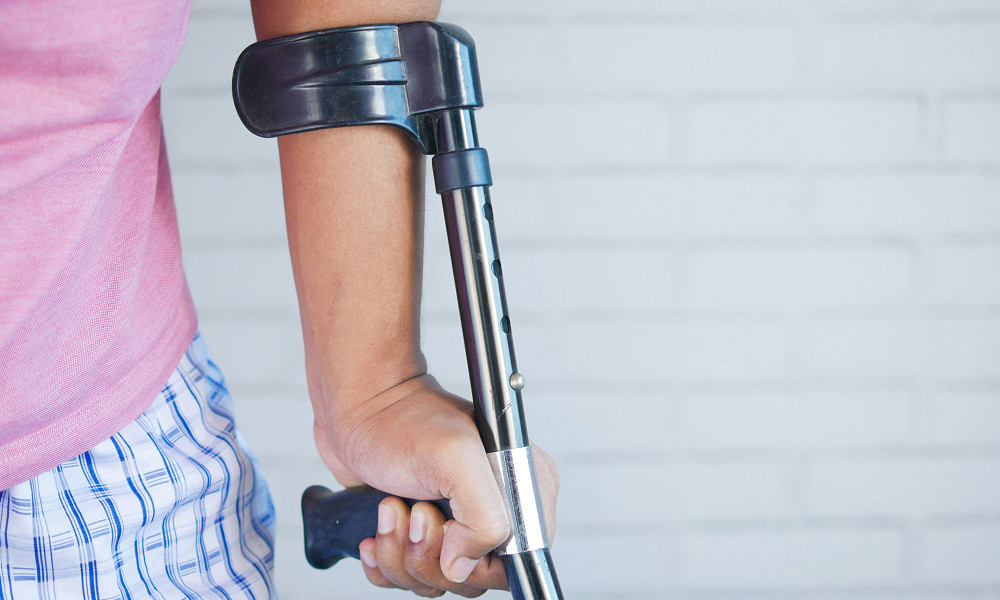
Colorado’s pace is hard to miss; commuters navigating I-25, weekend travelers heading into the mountains, and communities that continue to grow year after year. With that constant movement comes an unavoidable truth: accidents can happen when you least expect them, and the aftermath often extends far beyond the moment itself. Recovering compensation after a sudden accident isn’t just about filing a claim; it’s about understanding how your injuries, expenses, and future needs are evaluated within a legal system that can feel unfamiliar.
The details matter: how the incident occurred, the extent of the damage, and how well everything is documented can all influence the outcome. For someone already dealing with recovery, managing this process alone can quickly become overwhelming. That’s why many turn to the personal injury lawyers at Heuser & Heuser, who help bring clarity to complex situations and guide individuals toward fair compensation with a steady, informed approach.
Recognizing Immediate Needs
This often creates immediate needs after an accident, when medical attention is your initial priority. Seeking prompt care not only improves outcomes but also helps create essential documentation to support future compensation claims. It can prevent complications and support a faster recovery.
Documenting the Incident
Clear documentation and proper records are essential to support any compensation claim. This includes securing photographs, eyewitness accounts, police reports, and other evidence that strengthen the case. These particulars are crucial for achieving precision and minimizing disagreements. Quick and easy access to factual information also speeds up the process and ensures that the relevant authorities can properly understand the situation.
Understanding Compensation Types
Compensation can cover a wide range of losses, most commonly medical expenses, income loss, and property damage. Others call for relief for pain and suffering or emotional trauma. Each will have its own criteria for evidence to support a case for reimbursement. Understanding these options enables claimants to request appropriate assistance.
Seeking Professional Advice
Professional legal guidance is often essential for clarifying your rights and determining the best course of action. They could give you insight into procedures, timelines, and potential outcomes. A seasoned advocate can help clarify any confusion and ensure a fair process.
Filing a Claim
Timeliness is important in submitting a claim. Any delays can lead to ineligibility or reduce compensation. Mistakes can be avoided by assembling every applicable document before submitting. Strictly following established procedures ensures that every requirement is met and your claim remains valid.
Dealing with Insurance Providers
During the process of obtaining compensation, many people come into contact with insurance companies. Clear communication is essential in these conversations. The better the records you provide and the faster you respond to questions, the less likely your audit will drag on unnecessarily. A more structured effort affords a higher success rate.
Negotiating Fair Settlements
Insurance companies might offer settlements quickly. Careful consideration of these offers can help avoid underestimating losses. It does not mean the first proposal must be accepted, but sometimes putting yourself out there to ask for changes or more of something from you is needed.
Addressing Emotional and Psychological Effects
The impact of an injury extends far beyond physical health. Long after the body heals, challenges like anxiety, stress, and trauma often persist. Fortunately, compensation can cover essential counseling or therapy services. Acknowledging these psychological effects ensures that the full scope of the experience is addressed and supported.
Handling Disputes
At times, the claim process leads to disputes. Disputes can be resolved by requesting a review or mediation. A complete paper trail and a follow-up call many months later can lead to a happy resolution.
Preparing for Legal Action
Pre-litigation may ultimately be rendered impossible, in which case a lawsuit may well be required. Lawsuits are essential in some cases as a last resort to receive the compensation you deserve. This is a long process and will take additional time to prepare. Though it is a final option, it can give finality and justice when everything else has become impossible.
Learning from the Experience
After an accident, you asked a simple question: ” Am I prepared? Revisiting an insurance policy or updating safety measures can lower tomorrow’s risks. Having been through it once, you now have the confidence to plan.
Supporting Others
Others in your position can benefit from your experience. Providing wisdom or an ear to listen builds a sense of community and shared strength. These stories of recovery provide the hope and courage needed to pursue the path to justice.
Conclusion
Securing compensation after a sudden accident requires prompt action. Taking immediate steps, documenting everything, and seeking professional guidance all strengthen a claim. Achieving fair treatment means being able to address all your losses. Since financial instability can have emotional and psychological consequences, it is vital to stay informed.



-

 Legal1 week ago
Man shot and killed by police after pointing gun at people in Austin, Texas
-

 World1 week ago
Death toll from wildfire in southern Spain rises to 13
-

 Politics1 week ago
U.S. sanctions 10 Cuban entities over repression and regime funding
-

 Legal7 days ago
Muslim mall worker critically injured in stabbing over his religion
-

 Legal7 days ago
New Mexico detective convicted of helping drug trafficker evade DEA operations
-

 Legal20 hours ago
Sinaloa Cartel leader ‘El Mayo’ sentenced to life in U.S. prison
-

 Legal1 week ago
New York man arrested after livestreaming threats to kill Donald Trump Jr.
-

 Legal1 week ago
Austin police release footage of fatal shooting of man who pointed gun at bystanders