
Reviews
Time Constraints and Compensation: Understanding California’s Statute of Limitations for Personal Injury Cases

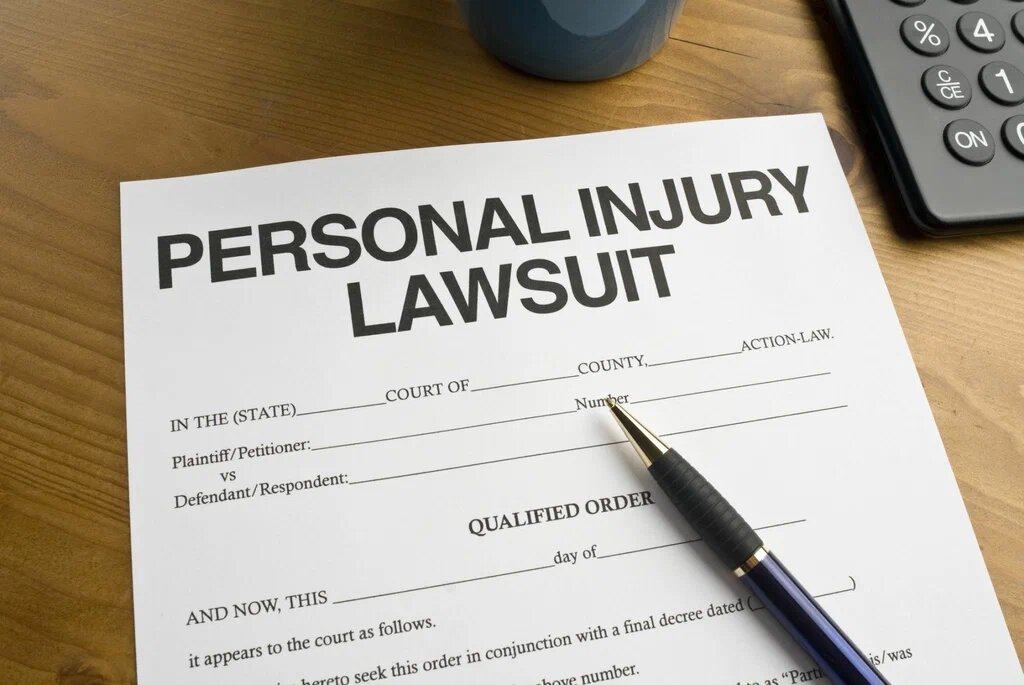
Personal injury cases can arise from various unfortunate accidents, such as slips and falls, car crashes, or medical malpractice. When individuals suffer harm due to another person’s negligence, they may secure compensation for their injuries, medical expenses, and other damages.
However, it’s crucial to understand that the legal system imposes time constraints on filing personal injury claims. In California, the statute of limitations governs these time constraints. This article explains everything you need to know about these time constraints.
What is the Statute of Limitations?
The statute of limitations is a state-defined time limit within which an individual must file a personal injury lawsuit. It serves as a safeguard, ensuring that cases get resolved on time while preserving the integrity of evidence and witness testimony. The duration of the statute of limitations may vary by jurisdiction and type of claim.
Personal injury lawyers have an in-depth knowledge of state laws regarding the statute of limitations, which is vital for determining the specific deadlines applicable to your case. They can also help you identify any exceptions related to your case, such as tolling due to being a minor or mentally incapacitated,” says attorney Walter T. Clark of Walter Clark Legal Group.
California’s Statute of Limitations for Personal Injury
In California, the statute of limitations is two years from the date of the injury or accident. That means an injured party has two years to file a lawsuit seeking compensation.
Typically, the clock starts on the date of the injury or the date you discovered it, known as the “discovery rule.” To ensure that you file the claim within the appropriate timeframe, it is vital to consult an attorney promptly after the incident.
However, if the injury is due to the negligence of a government entity, such as a city, county, or state agency, different rules apply. In such cases, the injured party must file a formal claim, known as an administrative claim, with the government entity within six months from the date of the injury.
Consequences of Missing the Statute of Limitations
Failing to file an injury lawsuit within the prescribed statute of limitations can have severe consequences. The most critical impact is that the court will likely dismiss the case, regardless of its merits. That means the injured party forfeits their right to seek compensation for damages through a lawsuit.
Moreover, missing the statute of limitations can also result in the loss of crucial evidence. Over time, evidence can get lost, memories fade, and witnesses may become inaccessible.
Exceptions and Extensions
While the general statute of limitations for personal injury cases in California is 2 years, certain exceptions and extensions may apply in specific circumstances. One notable exception is the discovery rule mentioned earlier, which allows the statute of limitations to start from the date the victim discovered the injury rather than the date it occurred. This exception is particularly relevant in incidents where the injury is not immediately apparent, such as medical malpractice cases.
Another exception is the “tolling” of the statute of limitations. Tolling temporarily pauses the time limit. It may occur if the injured party is a minor, mentally incapacitated, or serving in the military at the time of the injury.
Seeking Legal Assistance
Statute of limitations laws can be complex and vary depending on the type of injury and the jurisdiction. For this reason, seeking help from an attorney in your area is vital.
Conclusion
The statute of limitations is important in any personal injury case in California. Understanding this statute’s scope, its implications for your case, the consequences of noncompliance, and potential extensions and exceptions is vital to your claim. In such instances, it’s best to consult an experienced lawyer. They will provide you with the legal assistance you need to meet these terms and successfully secure a favorable outcome.



-

 Legal1 week ago
Man shot and killed by police after pointing gun at people in Austin, Texas
-

 World1 week ago
Death toll from wildfire in southern Spain rises to 13
-

 Politics1 week ago
U.S. sanctions 10 Cuban entities over repression and regime funding
-

 Legal7 days ago
Muslim mall worker critically injured in stabbing over his religion
-

 Legal7 days ago
New Mexico detective convicted of helping drug trafficker evade DEA operations
-

 Legal20 hours ago
Sinaloa Cartel leader ‘El Mayo’ sentenced to life in U.S. prison
-

 Legal1 week ago
New York man arrested after livestreaming threats to kill Donald Trump Jr.
-

 Legal1 week ago
Austin police release footage of fatal shooting of man who pointed gun at bystanders