
Reviews
What Damages Can You Recover After a Motorcycle Crash?

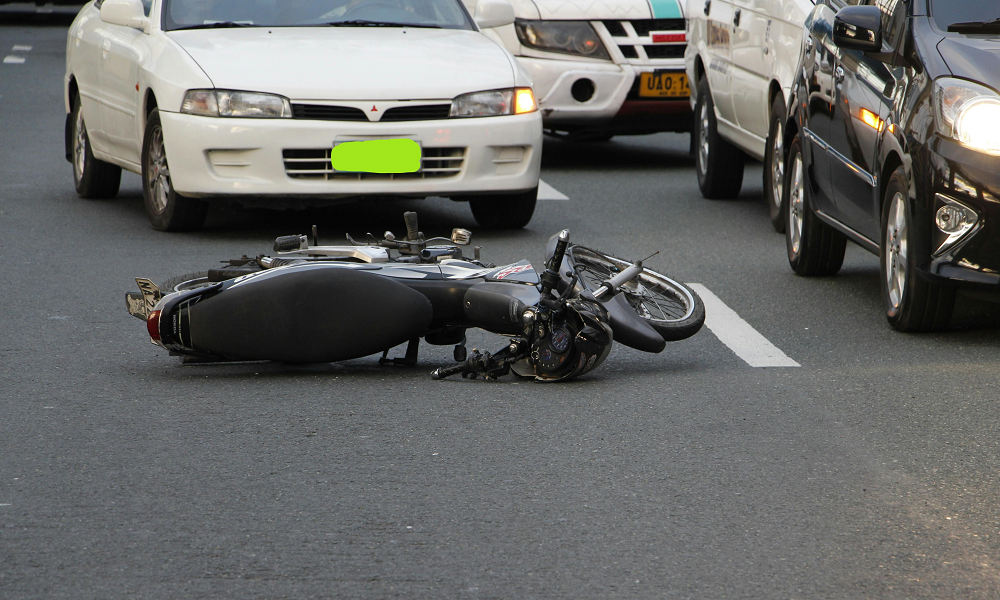
Motorcycle crashes often result in injuries that carry significant consequences. The absence of structural protection around a rider means that even moderate-speed collisions can lead to hospitalizations, surgeries, and lengthy rehabilitation. For victims facing mounting expenses and an uncertain recovery timeline, understanding the types of compensation available under the law is an essential first step toward financial recovery.
California law allows motorcycle accident victims to pursue both economic and non-economic damages through insurance claims or civil lawsuits. The specific categories of compensation depend on the circumstances of the crash, the severity of injuries, and the degree of fault assigned to each party. Motorcycle accident attorneys in Los Angeles can evaluate the full scope of a victim’s losses and build a case that accounts for both immediate and long-term financial impacts.
Medical Expenses
Costs for emergency room visits, diagnostic imaging, surgeries, hospital stays, prescription medications, and physical therapy can accumulate rapidly. This is especially true for injuries common to motorcycle crashes, such as fractures, traumatic brain injuries, and spinal cord damage.
California law permits victims to recover compensation for all reasonable and necessary medical treatment related to the accident. This includes expenses already incurred as well as the projected cost of future medical care. For victims with permanent injuries or conditions requiring ongoing treatment, medical experts can provide testimony estimating these future costs so that a settlement or verdict reflects the true long-term financial burden.
Lost Income and Earning Capacity
Serious injuries often prevent victims from returning to work for weeks or months. In some cases, permanent disabilities limit the type or amount of work a person can perform for the rest of their career. Compensation for lost income covers wages, salary, bonuses, and other employment benefits that the victim would have earned had the accident not occurred.
When injuries result in a diminished ability to earn a living in the future, victims may also pursue damages for lost earning capacity. This calculation takes into account the victim’s age, occupation, skill set, career trajectory, and the nature of their limitations. Lawyers often work with economists and vocational experts to quantify these losses.
Property Damage
Motorcycle crashes can cause significant damage to the bike itself, along with helmets, riding gear, and personal belongings. Victims are entitled to recover the cost of repairing the motorcycle or, if it is deemed a total loss, its fair market value at the time of the crash. Documentation such as repair estimates, purchase receipts, and photographs of the damage supports these claims.
Pain and Suffering
California law recognizes pain and suffering as a compensable category of non-economic damages, allowing victims to seek recovery for the physical discomfort, mental anguish, and diminished quality of life caused by the accident.
Because these damages do not carry a fixed dollar value, their calculation is inherently subjective. Factors that influence the amount include the severity and duration of the injuries, the extent of medical treatment required, whether the victim suffered permanent scarring or disfigurement, and the overall impact on daily life. Medical records, therapy notes, and personal testimony all contribute to establishing the scope of these losses.
Emotional Distress
Motorcycle accidents can leave lasting psychological effects, including anxiety, depression, post-traumatic stress disorder, and a persistent fear of riding or traveling on roadways. Emotional distress damages compensate victims for these psychological injuries, which are distinct from but often closely related to claims for pain and suffering.
In California, emotional distress damages do not require a separate physical injury to be recoverable when they arise from the same incident that caused bodily harm. Documentation from mental health professionals, including diagnoses, treatment plans, and session notes, strengthens claims in this category.
Loss of Consortium
When a motorcycle accident results in injuries so severe that they fundamentally alter the victim’s relationships with their spouse or family members, California law permits a separate claim for loss of consortium. This type of damage compensates the victim’s spouse for the loss of companionship, affection, moral support, and the ability to maintain the relationship as it existed before the accident.
The spouse, not the injured rider, files loss of consortium claims. They are evaluated based on the nature of the relationship and the extent to which the injuries have affected it.
How Comparative Fault Affects Recovery
Under California’s pure comparative negligence system, a victim’s total compensation is reduced by their percentage of fault. If a motorcyclist is found to be 15% responsible for a crash and the total damages amount to $400,000, the rider would recover $340,000. Insurance adjusters often attempt to inflate the victim’s share of blame to minimize payouts, making it important to present strong evidence that accurately reflects each party’s liability.
Conclusion
The damages recoverable after a motorcycle crash extend well beyond the cost of vehicle repairs. Victims may be entitled to compensation for medical expenses, lost income, pain and suffering, emotional distress, and other categories of loss that reflect the full impact of the accident on their lives. Understanding these categories and documenting each loss thoroughly are essential steps in pursuing a recovery that accounts for both current hardships and future needs.



-
 Legal1 week ago
Man shot and killed by police after pointing gun at people in Austin, Texas
-

 World1 week ago
Death toll from wildfire in southern Spain rises to 13
-

 Politics1 week ago
U.S. sanctions 10 Cuban entities over repression and regime funding
-

 Legal7 days ago
Muslim mall worker critically injured in stabbing over his religion
-

 Legal7 days ago
New Mexico detective convicted of helping drug trafficker evade DEA operations
-

 Legal20 hours ago
Sinaloa Cartel leader ‘El Mayo’ sentenced to life in U.S. prison
-

 Legal1 week ago
New York man arrested after livestreaming threats to kill Donald Trump Jr.
-

 Legal1 week ago
Austin police release footage of fatal shooting of man who pointed gun at bystanders