
Reviews
Common Mistakes That Can Hurt Your Injury Claim

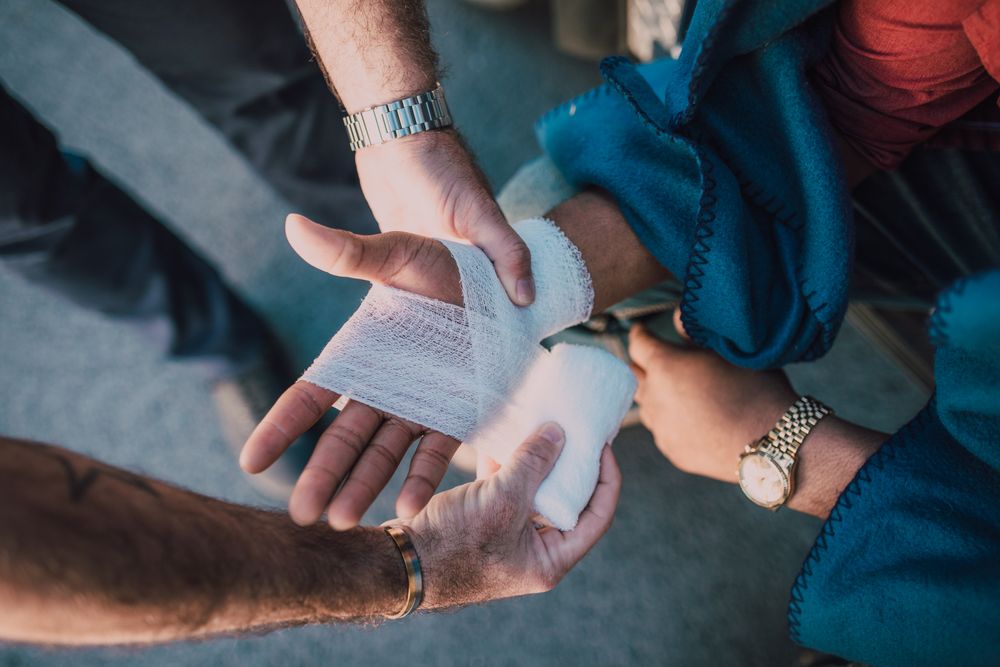
An injury claim often begins during a painful, disorienting stretch of recovery. A collision, fall, unsafe workplace event, or medical injury can leave symptoms, bills, and work limits moving at once. Insurers study timelines, treatment notes, photographs, and statements with close attention. Careful choices help preserve causation, document functional loss, and reduce avoidable disputes. Clear records give injured people a steadier path through the process.
Waiting Too Long
After an accident in Central New York, early action protects details that fade quickly. Scene photos, witness names, medical notes, and incident reports can clarify fault. A personal injury lawyer in Syracuse can help injured people sort evidence, review deadlines, and avoid pressured conversations before injuries are fully assessed.
Skipping Medical Care
Pain sometimes feels manageable at first, then worsens as swelling, muscle guarding, or nerve irritation develops. Delayed care allows insurers to argue that symptoms came from another source. Prompt evaluation creates dated documentation that links the event to diagnosis, treatment, and physical limits. Follow-up visits also show whether recovery is improving, stalled, or causing longer impairment.
Ignoring Doctor Orders
Treatment plans are more than paperwork in Syracuse. Physical therapy, imaging referrals, medication instructions, and activity limits all shape recovery. Missed appointments or ignored restrictions can suggest the injury was less serious. They may also slow healing. Consistent care helps clinicians track pain patterns, mobility changes, strength loss, and future medical needs with better accuracy.
Posting Online
Social media can distort reality. A brief outing, smiling photo, or casual comment may be framed as proof of full recovery. Privacy settings cannot guarantee protection from review. Injured people should avoid posting about pain, travel, exercise, legal steps, or daily chores. Even innocent updates can create confusion when removed from the clinical context.
Giving Recorded Statements
Recorded statements often happen while pain, medication, and stress affect recall. Adjusters may ask questions that sound harmless but leave little room for medical uncertainty. A rushed answer about speed, timing, symptoms, or blame can later be challenged. People should avoid guessing. Written records, clinician findings, and careful review usually provide more reliable information.
Admitting Fault Too Early
Apologies are common after an accident, especially when people feel shaken or embarrassed. Polite words can be misread as accepting blame. Fault may depend on road conditions, lighting, property maintenance, safety rules, or missing warnings. One person rarely sees every detail. Responsibility should be assessed after reports, photos, records, and witness accounts are reviewed.
Losing Key Evidence
Evidence gives shape to events after memories soften. Photos of bruising, swelling, damaged property, warning signs, footwear, weather, or vehicle positions may matter later. Witness contact information should be saved quickly. Receipts, repair estimates, work notes, and medical instructions belong in one place. A simple file can prevent important proof from disappearing during recovery.
Settling Too Soon
Early settlement offers may arrive before the body has declared its full course of healing. That timing can be risky. Surgery, injections, therapy, lost income, chronic pain, or permanent restrictions may surface later. Once a release is signed, additional payment is rarely available. A careful valuation should include current harm and reasonably expected future losses.
Hiding Prior Injuries
Past injuries do not erase a valid claim. Trouble begins when prior pain, surgery, or chronic conditions are hidden. Insurers often obtain earlier records. Honest medical history lets clinicians explain whether trauma worsened an old condition or caused new impairment. Clear documentation can separate baseline symptoms from post-accident changes in movement, strength, sensation, or endurance.
Poor Expense Tracking
Financial losses need proof. Bills matter, but smaller costs can also show the burden of recovery. Mileage, prescriptions, braces, wound supplies, home help, missed shifts, and childcare changes should be recorded. A brief symptom journal can connect daily limits with medical findings. Organized notes make it easier to explain how the injury affected ordinary life.
Ignoring Work Impact
Lost income requires more than memory. Pay stubs, schedules, employer letters, tax records, and work restrictions help show wage loss. Reduced duties, fewer hours, or missed advancement can also matter. Self-employed workers should keep invoices, calendars, canceled jobs, and client messages. Without records, income disruption becomes harder to prove, even when medical limits are clear.
Choosing Silence
Some injured people hesitate to ask questions because the process feels unfamiliar. That silence can lead to missed deadlines, incomplete records, or avoidable communication errors. Claims depend on medical causation, fault evidence, insurance rules, and financial documentation. Early guidance helps families make informed decisions. It also keeps small mistakes from becoming larger barriers later.
Conclusion
A well-supported injury claim grows from timely care, accurate documentation, and thoughtful communication. The most damaging mistakes often involve delay, guesswork, unfinished treatment, lost evidence, or early settlement pressure. Injured people protect our position by following medical advice, saving proof, tracking losses, and seeking informed guidance before major decisions. Every case has distinct facts, yet these habits give compensation requests a firmer foundation.


Death toll from Venezuela earthquakes rises to nearly 5,000

When Is It Time to Consider a Wig? Understanding the Signs and Benefits

How Consumer Shifts Are Redefining Personal Aesthetics

States Expand Bank Powers to Combat Rising Elder Financial Abuse
-

 Legal6 days ago
Man shot and killed by police after pointing gun at people in Austin, Texas
-

 World5 days ago
Death toll from wildfire in southern Spain rises to 13
-

 Politics4 days ago
U.S. sanctions 10 Cuban entities over repression and regime funding
-

 Legal1 week ago
Maryland man sentenced to 15 years for trying to join ISIS, plotting U.S. attack
-

 Legal3 days ago
Muslim mall worker critically injured in stabbing over his religion
-

 Legal3 days ago
New Mexico detective convicted of helping drug trafficker evade DEA operations
-

 Legal4 days ago
New York man arrested after livestreaming threats to kill Donald Trump Jr.
-

 Legal4 days ago
Austin police release footage of fatal shooting of man who pointed gun at bystanders