
Health
How Responsible Waste Management Can Help Build Safer Healthcare?

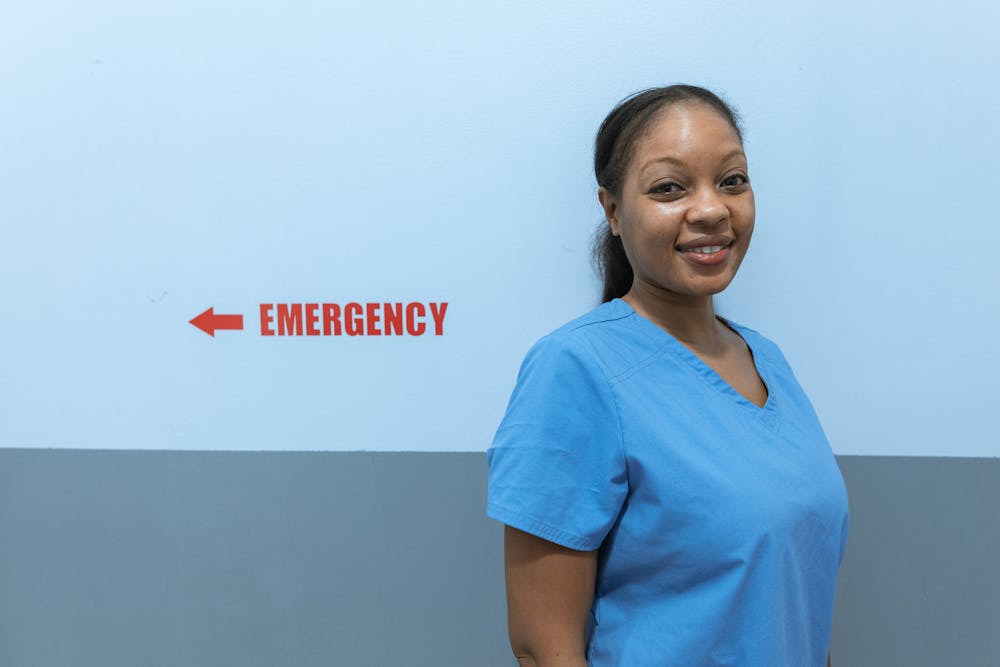
Health care settings generate a range of waste every day, including used syringes, contaminated dressings, laboratory waste, and pharmaceutical waste. Managing these materials is essential to maintaining a safe and efficient environment. These materials are vital to patient care, but handling them affects public health, the environment, and workplace safety. With the continual expansion and evolution of health systems, efficient medical waste disposal has emerged as an integral part of the quality of the overall health care system.
Dangers Associated With Healthcare Waste
Healthcare waste is not risk-free. General waste produced in medical premises can be the same as household waste, but a percentage of this waste may contain infectious, hazardous or potentially toxic waste. Improper segregation may lead to streams of waste that can be hazardous and cause higher disposal costs, as well as unnecessary risk of exposure. Careless medical waste disposal can affect the health of all these populations: healthcare workers, sanitation workers, patients, and surrounding communities. Most of these concerns are sharps injuries, exposure to infectious agents, chemical contamination and environmental pollution. The risks highlight the importance of good waste management systems that begin with the waste source.
The Foundation of Effective Waste Management
The elements of the waste management system are connected. The most critical step is proper segregation! Placing the right waste in the right receptacle can help to ensure hazardous materials receive the proper treatment and minimise the amount of waste that needs to be better handled. Labelling, secure containment of the resources, staff training and documented procedures all add to safety and accountability. Consequently, facilities that do invest in ongoing education will have fewer incidents and better compliance with regulations. Digital tracking systems, automated record keeping, and improved monitoring tools are improving transparency and minimizing inefficiency through the use of the waste handling process.
How Are Companies Transformed By New Culture?
Increasing sustainability is a big concern in the healthcare industry. There is growing interest in assessing how waste management strategies relate to other environmental policies. This includes minimizing waste generation as low as possible, implementing recycling facilities and other treatment techniques that have minimal environmental impact.
But instead of adapting to changing needs, many organizations are creating holistic waste management approaches to meet future expectations. Medical waste disposal in this sense is not only about complying with regulations but also goes a step further to ensure the efficacy outcomes. It turns into a crucial component of danger management, surroundings duty and organizational starriness.
Real-World Challenges and Practical Solutions
There are functional challenges in healthcare facilities implementing waste management programs, handling of wastes may vary from employee to employee because of turnover, limited budgets and awareness. Whole-Of-Safety and Quality Practices incorporating Waste Management are more likely to get a long-term strategy. Waste Management is no ordinary component of healthcare. It is a public health concern that affects safety, environmental and social quality of life. So utmost care must be taken to ensure proper healthcare waste management.


New Mexico detective convicted of helping drug trafficker evade DEA operations

1 dead, 2 missing after boat carrying 19 capsizes near Alcatraz Island

Muslim mall worker critically injured in stabbing over his religion

9 planes declare emergencies as runway is blocked at London Gatwick
-

 Legal1 week ago
6 shot, 1 killed, at San Antonio apartment complex
-

 Legal4 days ago
Man shot and killed by police after pointing gun at people in Austin, Texas
-

 World3 days ago
Death toll from wildfire in southern Spain rises to 13
-

 Politics1 week ago
U.S. condemns China’s submarine ICBM test into Pacific
-

 World1 week ago
Ukrainian suspect in Monaco bombing found shot dead
-
 Legal1 week ago
Police sergeant, mother and daughter killed in Ohio shooting; suspect dead
-
 Legal1 week ago
San Diego deputy sentenced for shove that fractured detainee’s spine
-
 Legal1 week ago
Illinois man charged with threatening to attack Fort Bliss personnel and families