
Reviews
Kenworth Parts Online: How to Buy the Right Parts

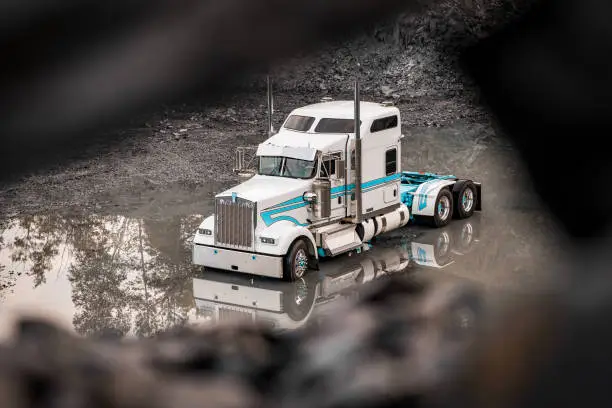
Buying truck parts without seeing them in person can feel risky, especially when one wrong part can keep a truck parked for days. If you are searching for kenworth parts online, the main goal is not just finding a part with the right name. You need to confirm fitment, condition, part number, shipping terms, and return rules before you spend money. Kenworth trucks often work under heavy loads and long hours, so every repair choice matters. This guide explains how to identify the right parts, compare options, read online listings, and avoid common ordering mistakes.
Kenworth trucks come in many models, including the T680, T880, W900, T800, and C500. Each model may have different body panels, electrical parts, suspension parts, cab parts, cooling parts, and engine-related components. Even trucks with the same model name can vary by year, engine, transmission, axle setup, emissions system, and sleeper size. That is why online parts buying should start with details, not guesswork. A photo may look close, but a small change in bolt pattern, plug style, bracket shape, or hose fitting can make the part unusable.
Before searching, gather the information that helps confirm the correct match:
- VIN and truck model
- Model year and production details
- Engine make and model
- Transmission type
- Axle setup and suspension type
- Cab, hood, and sleeper style
- Existing part number, if readable
- Photos of the old part from several angles
Why Fitment Comes First When Buying Kenworth Parts Online
Fitment means the part matches the truck and works as intended. This step matters more than price, brand, or shipping speed. A low-cost part becomes expensive if it does not fit, causes more downtime, or needs to be returned by freight. For example, a mirror assembly may look correct for a T680 but may use a different mounting base or wiring plug. A bumper may match the general body style but fail to line up with the frame brackets. A sensor may thread into place but send the wrong signal because the electrical design differs.
When checking an online listing, look for clear fitment details rather than broad claims:
- Exact Kenworth model and year range
- OEM or replacement part number
- Measurements, when size matters
- Connector shape and pin count for electrical parts
- Mounting hole location and bracket style
- Notes about included or missing hardware
- Condition: new, used, rebuilt, or remanufactured
- Return window and warranty terms
Model Differences That Can Change the Part You Need
Kenworth model differences affect more than exterior appearance. A T680 built for highway freight may use different fairings, lighting, mirrors, and cab parts than a T880 built for construction work. A W900 long hood may need body and cooling parts that do not match a shorter hood model. The T800 and C500 often work in heavy vocational settings, where frame, suspension, and front-end parts may differ based on job use.
Year changes also matter. A part that fits an older version of a model may not fit a newer one after a design update. Some changes are easy to see, such as grille shape or headlight style. Others are harder to notice, such as bracket spacing, wiring harness changes, or sensor location. If a listing only says “fits Kenworth,” treat that as incomplete information. You need the exact model, year range, and part number whenever possible.
OEM vs Aftermarket Kenworth Parts
OEM stands for original equipment manufacturer. These parts match the original part specifications used for the truck. Many buyers choose OEM parts for sensors, electronic modules, emissions components, safety-related parts, and factory body panels. OEM parts can reduce uncertainty when exact fit is critical. They may also help when service records or warranty history require original-style replacement parts. Aftermarket parts come from companies other than the original supplier. They can work well for mirrors, bumpers, lights, filters, hoses, brackets, steps, and many wear items. Quality can vary, so you need to judge the part by brand reputation, material, fitment details, warranty, and listing clarity. Aftermarket does not automatically mean poor quality. It means the buyer must inspect the listing with extra care.
A practical example helps show the difference. If a truck needs a replacement grille surround after minor damage, a well-made aftermarket part may be acceptable if measurements, mounting points, and finish match. If the truck needs an emissions sensor tied to engine performance, many owners prefer OEM or a known supplier because wrong readings can affect diagnostics and engine operation.
How Part Numbers Help Prevent Wrong Orders
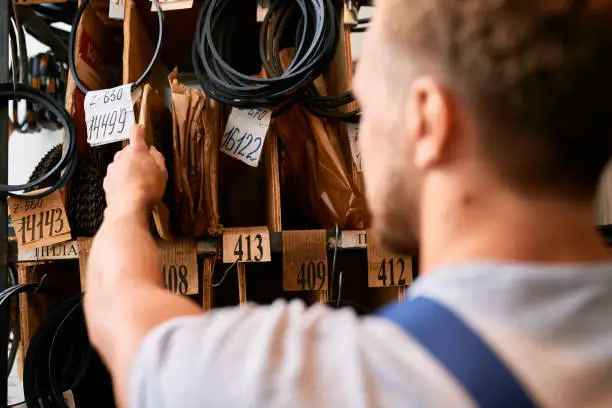
Part numbers are one of the best tools for buying truck parts online. A product title may say “Kenworth headlight,” but that wording does not tell you enough. Kenworth trucks may use different headlight housings, bulbs, plugs, and brackets across model years. The part number narrows the search and helps compare listings more accurately. You can often find part numbers on the old part, repair invoices, service records, parts manuals, or dealer paperwork. On the part itself, look for stamped numbers, tags, molded markings, stickers, or engraved codes. Dirt, grease, paint, and rust can hide these markings, so clean the area gently before reading it. If the number is partly damaged, take a photo and zoom in. A partial number may still help confirm the part family.
Cross-reference numbers can also help, but they should not be your only proof. A cross-reference connects one part number to another possible replacement. That can be useful when comparing OEM and aftermarket options. Still, mistakes happen, especially with sensors, valves, electrical parts, and air system components. Match the part number with photos, measurements, fitment notes, and connector details before ordering.
Reading Online Listings With a Careful Eye
A strong online listing should answer the main questions before you contact the seller. It should state the part number, condition, compatible models, year range, included items, warranty, and return terms. Clear photos matter as much as written details, especially for used body parts, brackets, interior pieces, and electrical components.
For used parts, study the photos for cracks, dents, broken tabs, corrosion, worn threads, repaired areas, missing clips, and damaged connectors. If the part has hidden sides, ask for more photos. If the listing uses a stock image, ask whether the actual item looks the same. A seller who cannot provide basic details may not be the safest choice for a time-sensitive repair.
Condition terms also deserve attention. “New” should mean the part has not been used. “Used” means it came from another truck and may show wear. “Rebuilt” often means failed parts were replaced. “Remanufactured” usually means the part was taken apart, cleaned, inspected, and restored to a set standard. Sellers may use these terms differently, so read the full description instead of relying on the label.
Checking Seller Credibility Before You Buy
A credible seller gives clear information and does not force you to guess. Look for a business name, contact details, clear return instructions, written warranty terms, and consistent customer feedback. For used parts, honest notes about damage or missing items are a good sign. No used part is perfect, and clear disclosure helps you make a better decision.
Ask direct questions when a listing leaves doubt. You can ask whether the part matches your VIN, whether mounting hardware comes with it, whether there are cracks or repairs, and who pays return shipping if the listing is wrong. Keep the answers in writing. If a dispute happens later, written messages can help show what the seller promised.
Shipping, Returns, and Damage Checks
Truck parts can be heavy, fragile, or awkward to ship. Small parts such as switches, filters, fittings, bulbs, and sensors usually move by parcel service. Large parts such as hoods, bumpers, doors, radiators, tanks, and sleeper panels may require freight shipping. Freight can involve liftgate fees, business delivery rules, loading dock needs, and longer handling times. Inspect the shipment as soon as it arrives. Look for crushed packaging, torn cardboard, punctures, bent corners, and signs that the part shifted during transit. Take photos before opening damaged packaging. If a freight item arrives with visible damage, note the damage during delivery when possible. Keep all packaging until the issue is settled.
Returns can cost more than buyers expect. Some sellers charge restocking fees. Some electrical parts cannot be returned after installation. Special-order items may have strict limits. Read the return policy before paying, including the return window, condition rules, refund method, and shipping responsibility. Warranty terms also matter because many warranties cover only the part, not labor, towing, fluids, or downtime.
Planning Maintenance With Online Parts

Online buying works best when it supports a repair plan rather than a last-minute scramble. Keep a simple record for each truck that includes the VIN, unit number, mileage, repair date, part number, brand, seller, warranty details, and technician notes. Over time, this record helps you spot repeat failures and remember which parts fit correctly.
Some fleets and owner-operators keep common wear items on hand, such as filters, belts, fuses, bulbs, wiper blades, gladhand seals, and air line fittings. Stocking every possible part does not make sense, but keeping proven wear items can reduce downtime. Use repair history to decide what belongs on the shelf.


Death toll from Venezuela earthquakes rises to nearly 5,000

When Is It Time to Consider a Wig? Understanding the Signs and Benefits

How Consumer Shifts Are Redefining Personal Aesthetics

States Expand Bank Powers to Combat Rising Elder Financial Abuse
-

 Legal7 days ago
Man shot and killed by police after pointing gun at people in Austin, Texas
-

 World6 days ago
Death toll from wildfire in southern Spain rises to 13
-

 Politics4 days ago
U.S. sanctions 10 Cuban entities over repression and regime funding
-

 Legal1 week ago
Maryland man sentenced to 15 years for trying to join ISIS, plotting U.S. attack
-

 Legal3 days ago
Muslim mall worker critically injured in stabbing over his religion
-

 Legal3 days ago
New Mexico detective convicted of helping drug trafficker evade DEA operations
-

 Legal4 days ago
New York man arrested after livestreaming threats to kill Donald Trump Jr.
-
 Legal4 days ago
Austin police release footage of fatal shooting of man who pointed gun at bystanders