
Legal
Liability Considerations for Tour and Adventure Businesses: Protecting Your Company from Injury Claims


Operating an outdoor adventure setup brings massive excitement to thrill seekers. Guests love the intense rush of exploring rugged wilderness trails or testing their limits with extreme sports. These activities offer unforgettable memories for families and solo travelers alike.
Safety must remain the primary focus when managing these outdoor excursions. Running a tight operation protects your guests from harm and keeps your brand safe from expensive legal trouble. Preparation helps prevent unexpected problems on the trail.
Setting Clear Safety Guidelines
Clear rules keep every participant on the same page from start to finish. Visitors need to know exactly what to expect before they step into the field. Clear communication prevents confusion when challenges arise during the trek.
Safety briefings must happen before every single trip starts. Legal advisors help companies draft solid participation rules for high-risk activities, as The Trapani Law Firm explains. Missing this step opens your company up to massive problems if an accident occurs later. Instructors should verify that everyone understands these regulations perfectly.
Guides should repeat these key points throughout the journey. Repetition helps guests remember the proper safety steps when physical fatigue sets in. Well-informed clients make better decisions during moments of high stress.
Understanding Waiver Basics
Proper paperwork forms the first line of defense against incoming legal action. Every participant must sign a formal release document before starting their chosen trek. These forms outline the inherent dangers associated with outdoor recreation.
These documents must explicitly outline every known hazard of the activity. An official publication shows how paperwork protects firms by forcing clients to accept liability for injuries tied to pre-existing medical conditions. This legal layer shields your business from lawsuits related to personal health issues.
Skipping this paperwork leaves your commercial business open to major courtroom lawsuits. Solid liability forms help dismiss frivolous claims before they reach an expensive trial. Protecting your investments requires strict enforcement of these signing policies.
Assessing Environmental Hazards
Nature presents unpredictable elements that human operators cannot control. Rugged trails can wash away overnight, and local weather patterns can shift in minutes. Staff members must study regional patterns to anticipate shifts before departing.
Some jurisdictions mandate strict paperwork for operations in dangerous zones. A government report highlights that certain coastal areas require formal liability releases for development permits stemming from geological hazards. Adventure companies should adopt similar protective measures when working in unstable environments.
Your guides must monitor local weather reports constantly during the season. Knowing the regional terrain helps your team avoid hazardous spots during a sudden storm. Safe routing prevents vehicles and hikers from getting stranded in remote areas.
Training Staff For Emergencies
Your team needs proper field training to handle unexpected emergencies smoothly. Regular safety drills keep rescue skills sharp when sudden panic sets in among guests. Experienced guides know how to control a crowd during a crisis.
Standard training routines protect your field team and your business brand. Here are 3 key focus areas for outdoor staff development:
- First aid updates for remote wilderness guides.
- Radio communication protocols in mountain dead zones.
- Evacuation route planning for rapid wilderness transport.
Prepared workers respond much faster when a client gets hurt on a trip. Quick action reduces the severity of field injuries and builds client trust. Competent staff members remain your finest asset in risk management.
Maintaining Gear Integrity
Damaged equipment causes many avoidable outdoor accidents each year. Heavy ropes, climbing harnesses, and safety helmets wear down fast under constant commercial use. Tracking the lifespan of your inventory keeps clients safe on the ropes. Reliable tools give your guests confidence during difficult climbs.
Thorough gear inspections must happen every single morning before guests arrive. Logging these daily checks creates a clear paper trail that proves your company exercises regular care. Written records provide excellent protection if an equipment failure ever goes to court.
Retiring old gear early prevents catastrophic mechanical failures during an excursion. Buying premium equipment saves substantial amounts of money on legal defense fees later. Quality gear improves the comfort of your clients during their trip.
Managing Post-Incident Communication
Accidents can happen even when you plan everything perfectly. How your field team handles the immediate aftermath matters just as much as incident prevention. Professional conduct helps de-escalate tense situations right away. Calm guides reassure injured parties as medical help travels to the scene.
Write down every single detail immediately after an unexpected incident occurs on site. Collect written witness statements from other nearby guests who saw the event unfold. Gathering fresh details helps maintain accuracy before people forget what happened.
Avoid admitting fault or making monetary promises to injured clients on site. Let your insurance company and legal representatives handle the formal conversations. Politeness is helpful, but premature statements can damage your defense case.
Securing Proper Insurance Coverage
Standard commercial insurance policies might not cover extreme outdoor sports. Specialized insurance lines are required for activities like rafting, rock climbing, or zip-lining. Finding a broker who understands outdoor recreation is critical.
Review your coverage limits with an insurance professional every single year. Make sure the payout numbers match the actual financial risks of your operations. Expanding your policy coverage protects against rising court expenses.
Higher premium payments are worth the expense for long-term peace of mind. Proper coverage keeps your business doors open if a major injury claim hits your company. Smart operators view insurance as a foundational building block. Adequate protection allows you to focus on delivering amazing outdoor trips.
Conducting Thorough Participant Screening
Not every adventure activity is suitable for every participant. Collecting accurate health information before a trip helps identify potential risks that could lead to medical emergencies in the field. Understanding guest limitations allows guides to make informed decisions about participation.
Pre-trip questionnaires should cover medical conditions, allergies, medications, and prior experience levels. Reviewing this information helps operators determine whether additional precautions are necessary. Careful screening reduces the likelihood of preventable incidents during an excursion.
Honest communication benefits both the company and the participant. Encouraging guests to disclose relevant information creates a safer environment for everyone involved. Proper screening demonstrates a commitment to responsible risk management.
Documenting Operational Procedures
Consistent documentation strengthens your company’s ability to demonstrate professional standards. Written procedures help ensure that every guide follows the same safety protocols regardless of location or activity type. Standardization reduces the chance of critical steps being overlooked.
Detailed records should cover equipment inspections, safety briefings, staff certifications, and incident reports. Maintaining organized files provides valuable evidence that reasonable precautions were taken. Thorough documentation can become an important asset during legal disputes.
Regularly updating operational manuals keeps procedures aligned with changing regulations and industry practices. Clear documentation improves accountability throughout the organization. Strong internal systems support safer and more efficient operations.
Staying Compliant With Local Regulations
Adventure businesses operate within legal frameworks that vary by region and activity type. Permits, licensing requirements, and environmental regulations often change over time. Staying informed helps companies avoid costly penalties and operational disruptions.
Government agencies may require specific safety standards for commercial outdoor activities. Failing to meet these obligations can increase liability exposure and damage a company’s reputation. Compliance demonstrates professionalism and responsible business management.
Periodic legal reviews help operators identify areas that require updates or improvements. Working proactively with regulatory requirements minimizes unexpected complications. A compliant business operates with greater confidence and stability.
Building A Strong Risk Management Culture
Risk management should become part of the company’s daily operations rather than a once-a-year exercise. Every employee should understand their role in maintaining safety standards and preventing incidents. A strong culture encourages staff to remain vigilant at all times.
Open communication allows guides and managers to report concerns before they become serious problems. Identifying hazards early helps organizations implement corrective measures quickly. Small improvements often prevent major incidents from occurring later.
Companies that prioritize safety create trust among employees, guests, and business partners. Consistent attention to risk management strengthens long-term operational success. A proactive mindset supports both safety and profitability.
Reviewing Liability Policies Regularly
Liability exposure changes as your business grows and introduces new activities. Expanding into additional services, locations, or equipment types can create risks that were not present when your original policies were drafted. Regular reviews help ensure your protections remain relevant.
Business owners should meet periodically with legal advisors and insurance professionals to evaluate current coverage and operational procedures. These reviews can identify gaps that might otherwise go unnoticed until after an incident occurs. Proactive updates strengthen your overall risk management framework.
Keeping policies current demonstrates a commitment to responsible operations and legal compliance. A well-maintained liability strategy helps businesses adapt to changing regulations and industry standards. Continuous evaluation supports long-term stability and protection.
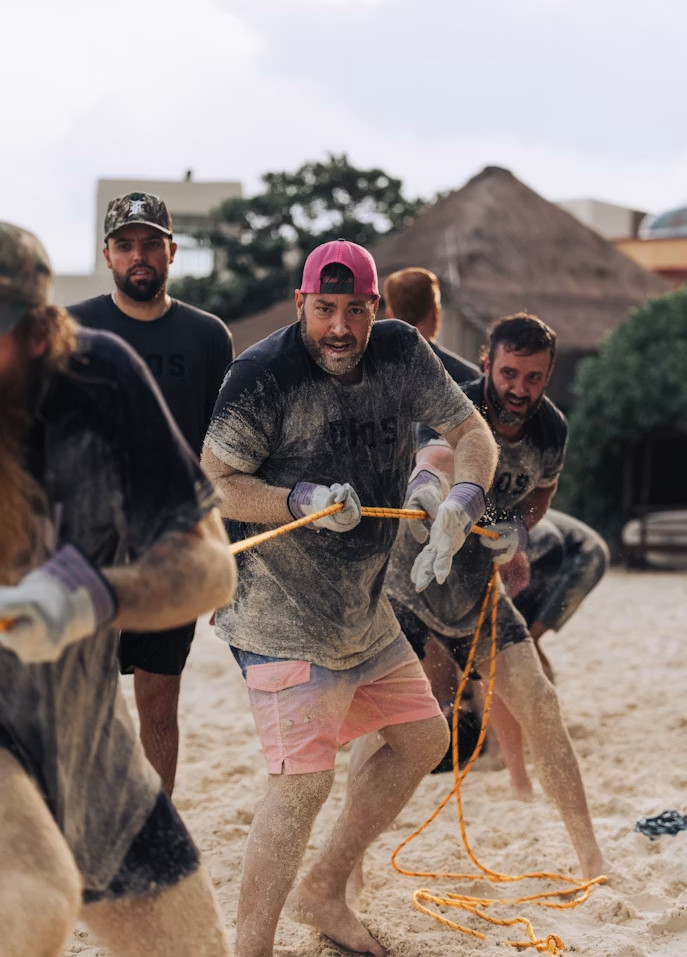
Managing liability in the tour and adventure industry requires much more than obtaining a signed waiver. Effective protection comes from combining strong safety procedures, thorough staff training, proper documentation, participant screening, and adequate insurance coverage. Each layer works together to reduce risk and support safe operations.
Adventure businesses that prioritize preparation are better positioned to handle unexpected challenges in the field. Consistent attention to safety standards helps protect guests while reducing the likelihood of costly legal disputes. Prevention remains far more effective than reacting to problems after they occur.
Building a culture of accountability and risk awareness benefits every aspect of the organization. Clients gain confidence in your services, employees understand their responsibilities, and business owners can focus on growth with greater peace of mind. Strong liability management creates a foundation for sustainable long-term success.


Death toll from Venezuela earthquakes rises to nearly 5,000

When Is It Time to Consider a Wig? Understanding the Signs and Benefits

How Consumer Shifts Are Redefining Personal Aesthetics

States Expand Bank Powers to Combat Rising Elder Financial Abuse
-

 Legal6 days ago
Man shot and killed by police after pointing gun at people in Austin, Texas
-
 World5 days ago
Death toll from wildfire in southern Spain rises to 13
-

 Politics4 days ago
U.S. sanctions 10 Cuban entities over repression and regime funding
-

 Legal1 week ago
Maryland man sentenced to 15 years for trying to join ISIS, plotting U.S. attack
-

 Legal3 days ago
Muslim mall worker critically injured in stabbing over his religion
-

 Legal3 days ago
New Mexico detective convicted of helping drug trafficker evade DEA operations
-

 Legal4 days ago
New York man arrested after livestreaming threats to kill Donald Trump Jr.
-

 Legal4 days ago
Austin police release footage of fatal shooting of man who pointed gun at bystanders