
Health
Possible New World screwworm case detected in South Texas

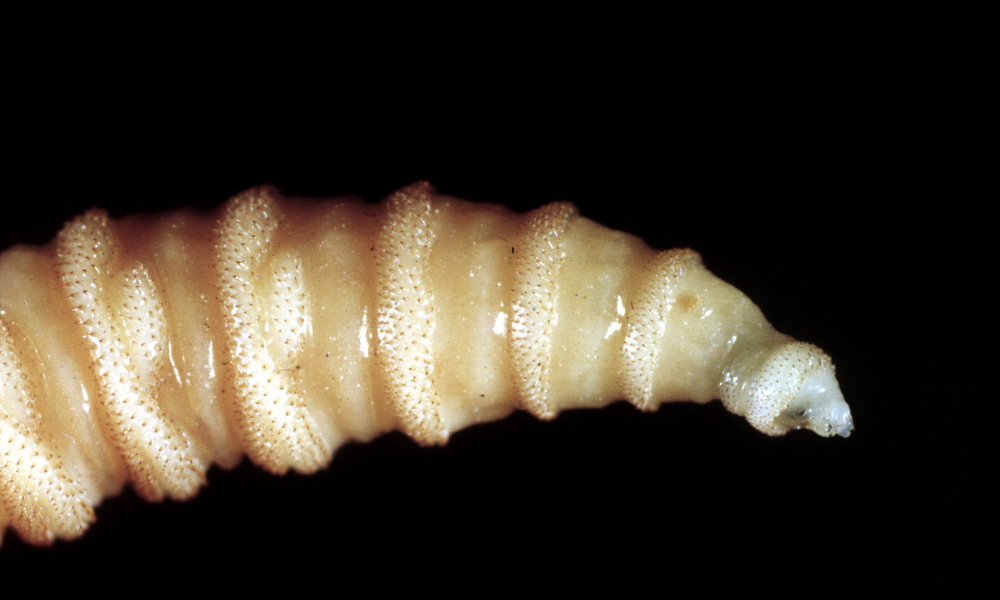
A possible case of New World screwworm (NWS) has been detected in South Texas, where samples from two calves have been sent to a federal laboratory for testing and response teams have been deployed, according to the USDA and Texas officials.
Samples from two calves on a cattle ranch in La Pryor were taken on Tuesday and sent to the USDA’s National Veterinary Services Laboratories in Ames, Iowa, for confirmatory testing, Texas Representative Don McLaughlin told Reuters. La Pryor is in Zavala County, about 100 miles southwest of San Antonio.
The USDA said a case of NWS “may have been detected” in South Texas and that updates would be provided when results are available. “We have already activated personnel on the ground and are working with local partners,” the agency said.
NWS is a parasitic fly whose larvae infest open wounds and feed on living tissue in warm-blooded animals, including cattle, wildlife, pets and, in rare cases, humans. Infestations can cause severe injury or death if they are not treated.
Andrew Mahaleris, a spokesman for Texas Governor Greg Abbott, said in a statement that the governor’s New World Screwworm Response Team is leading the state’s response with the Texas Animal Health Commission and the Texas Parks and Wildlife Department, in coordination with the USDA and other federal partners.
If the case is confirmed, Mahaleris said the team will establish an incident response post, expand fly trapping and surveillance, and restrict animal movement to prevent the pest from spreading.
“Targeted releases of sterile NWS flies will be expedited to eliminate any reproducing populations in the area,” Mahaleris said. “Governor Abbott will utilize all necessary resources to eradicate this pest and protect Texas land, livestock, and wildlife.”
The pest was eradicated from the United States decades ago through a program that released sterile male flies to stop reproduction, but it has expanded from South America into Central America and Mexico in recent years.



-

 Legal1 week ago
Man shot and killed by police after pointing gun at people in Austin, Texas
-
 World1 week ago
Death toll from wildfire in southern Spain rises to 13
-

 Politics1 week ago
U.S. sanctions 10 Cuban entities over repression and regime funding
-

 Legal6 days ago
Muslim mall worker critically injured in stabbing over his religion
-

 Legal6 days ago
New Mexico detective convicted of helping drug trafficker evade DEA operations
-

 Legal7 days ago
New York man arrested after livestreaming threats to kill Donald Trump Jr.
-
 Legal1 week ago
Austin police release footage of fatal shooting of man who pointed gun at bystanders
-

 Legal4 days ago
Marine veteran charged with threatening to kill Trump in ‘holy war’