
Reviews
Understanding the Common Causes of Truck Accidents

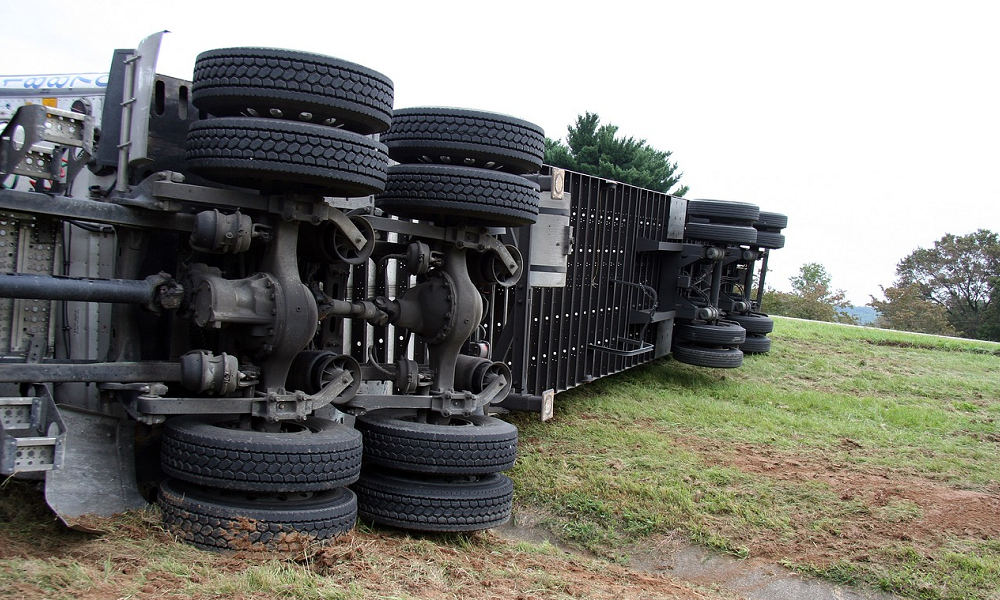
Truck collisions place unusual strain on the body because mass, speed, and impact angle combine with little warning. People inside smaller vehicles may face head injury, spinal trauma, fractures, burns, or internal bleeding. Prevention starts with a clear look at how these crashes develop. Driver health, vehicle upkeep, cargo control, road conditions, and company oversight all shape risk before anyone reaches an intersection or highway merge.
Why Causes Matter
A careful crash review links physical injuries with driving choices, equipment condition, route hazards, and carrier records. Guidance from a truck accident lawyer Henderson may help injured people see how those facts fit together. That context matters because delayed symptoms, repair logs, and loading errors can reveal responsibility after the scene clears.
Driver Fatigue
Fatigue changes brain function before a driver feels fully exhausted. Reaction time slows, visual tracking weakens, and lane control becomes less steady. Long routes, night schedules, irregular sleep, and pressure to arrive on time raise that risk. With a loaded trailer, one late brake response can turn routine traffic into a severe crash.
Speeding
Speed raises both stopping distance and injury severity. A heavy truck cannot shed momentum quickly, especially on grades, ramps, or wet pavement. Faster travel also gives the driver less time to read traffic patterns. When cargo sits high, excess speed can shift weight, increase sway, and contribute to rollover.
Distracted Driving
Distraction is not limited to phones. Dispatch screens, navigation prompts, meals, paperwork, and cab conversations can pull vision or attention away from the road. A few seconds may cover the length of a football field. Since tractor trailers need wide space to brake or turn, small lapses can leave no practical escape route.
Impaired Driving
Alcohol, illicit drugs, and some prescriptions can impair coordination, judgment, depth perception, and braking response. Commercial drivers carry a higher duty because the vehicle itself magnifies harm. Impairment may also signal that an employer poorly monitored the driver, especially if the employer ignored warning signs, failed tests, or erratic conduct before the crash.
Poor Training
Safe truck operation takes more than basic licensing. Drivers must understand air brakes, blind zones, wide turns, downhill control, load movement, and emergency steering. Weak instruction leaves gaps that appear under stress. Heavy traffic, unfamiliar streets, sudden rain, or a tight construction lane can expose those gaps within seconds.
Unsafe Hiring
Carriers should examine licenses, medical clearance, prior violations, crash history, and employment records before assigning a driver. A rushed hire can place an unsafe operator on public roads. Oversight should continue after onboarding. Missed inspections, complaints, hours violations, or repeated close calls deserve attention before harm occurs.
Cargo Problems
Cargo affects handling as much as steering or braking. Poorly secured freight can slide, surge, or pull a trailer off balance. Overweight loads strain tires, suspension, and brakes. During a sudden stop or sharp curve, internal movement may overpower the driver’s correction and trigger a jackknife or rollover.
Brake Failure
Truck brakes endure heat, weight, and repeated pressure. Worn linings, air leaks, poor adjustment, contaminated components, or skipped service can reduce stopping ability. On a downgrade, weak brakes may fade quickly. Maintenance files, inspection reports, and repair timing often become central evidence after a rear impact or runaway event.
Tire Issues
A tire failure can cause abrupt steering loss. Low pressure, thin tread, overloading, heat buildup, and debris are common contributors. Nearby drivers may also be struck by large tire pieces. Regular checks help identify bulges, cuts, or uneven wear, yet rushed schedules can allow dangerous defects to remain on the road.
Blind Spots
Large trucks have broad blind areas beside the cab, behind the trailer, and close to the front bumper. Drivers need mirror checks, signals, and patient lane changes. Smaller vehicles can reduce risk by avoiding those zones. Many sideswipe crashes begin when a vehicle disappears during a merge.
Weather And Roads
Rain, wind, glare, dust, fog, and slick pavement make truck control harder. Construction zones, faded markings, narrow shoulders, and short merge lanes add strain. Professional drivers should adjust speed, spacing, and braking style for conditions. Failure to adapt can convert a manageable hazard into a crash with serious injuries.
Conclusion
Truck accidents usually reflect several failures rather than one isolated mistake. Fatigue, speed, distraction, impaired driving, poor maintenance, unstable cargo, and weak carrier practices can combine before impact. Clear documentation helps explain how injury occurred and why prevention broke down. A precise review also supports safer training, better inspections, stronger hiring, and more careful decisions on roads shared by families, workers, and vulnerable travelers.


Death toll from Venezuela earthquakes rises to nearly 5,000

When Is It Time to Consider a Wig? Understanding the Signs and Benefits

How Consumer Shifts Are Redefining Personal Aesthetics

States Expand Bank Powers to Combat Rising Elder Financial Abuse
-

 Legal7 days ago
Man shot and killed by police after pointing gun at people in Austin, Texas
-
 World6 days ago
Death toll from wildfire in southern Spain rises to 13
-

 Politics4 days ago
U.S. sanctions 10 Cuban entities over repression and regime funding
-

 Legal1 week ago
Maryland man sentenced to 15 years for trying to join ISIS, plotting U.S. attack
-

 Legal3 days ago
Muslim mall worker critically injured in stabbing over his religion
-

 Legal3 days ago
New Mexico detective convicted of helping drug trafficker evade DEA operations
-

 Legal4 days ago
New York man arrested after livestreaming threats to kill Donald Trump Jr.
-
 Legal4 days ago
Austin police release footage of fatal shooting of man who pointed gun at bystanders