
Reviews
What Casino Licensing Means for Players and Operators

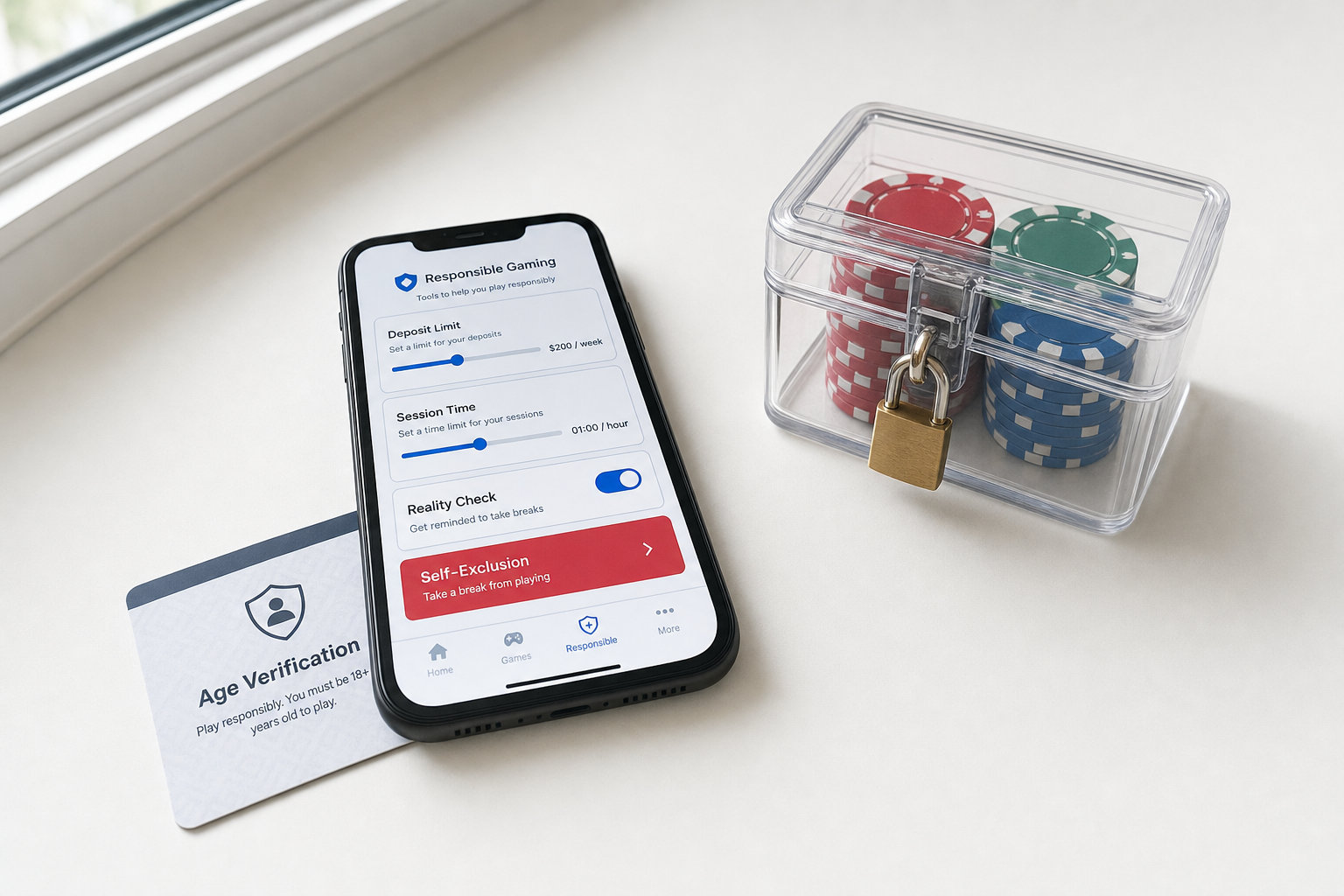
Casino licensing is an important part of the gambling industry. It gives authorities a way to decide which companies can legally offer casino services and under what conditions. For players, it can affect payments, data protection, complaints, game fairness and access to responsible gaming tools. For operators, it creates rules they must follow to stay active in a regulated market.
Licensing rules also reflect how varied the casino industry has become. Regulators may take different approaches to online casinos, land based venues and social casino products, depending on how each service works. This flexibility helps newer formats, such as Yay social casino app, be understood within the right context while still giving players and operators a clearer framework to follow.
At its core, licensing is about oversight. It gives regulators a framework for checking whether operators meet legal, financial and consumer protection standards.
Why casino licensing exists
Casino licensing exists to create a more controlled gambling market. Without it, authorities would have fewer ways to monitor operators, investigate complaints or enforce rules. A license allows regulators to set standards before a company can legally offer gambling services.
One of the main goals is player protection. Licensed operators are often required to provide clear terms, protect customer funds and verify player identity. They may also need to offer responsible gaming tools, such as deposit limits, time reminders and self exclusion options. These tools are designed to help players manage their gambling activity and reduce the risk of harm.
Licensing also supports fair play. Regulators may require casinos to use tested games, approved software and independent audits. This helps confirm that games operate as advertised and that results are not being manipulated.
Financial oversight is another key reason for licensing. Casinos handle payments, personal data and large volumes of transactions. Regulators often require systems to detect fraud, prevent money laundering and report suspicious activity.
What licensing means for players
For players, a casino license can be a sign that an operator is subject to rules in a specific market. It does not remove the risks of gambling, and it does not guarantee a positive experience. However, it may show that the company must meet certain standards.
Licensed casinos usually display information about their regulator. This can often be found in the website footer, terms and conditions or licensing section. Players can use this information to understand who supervises the operator and where complaints may be directed.
Licensing can also affect how bonuses, withdrawals and account checks are handled. In regulated markets, operators may need to explain promotional terms clearly, process payments according to set standards and give players access to support if problems arise.
It is important to remember that licensing rules are local. A casino licensed in one country may not be approved to operate in another. Some regulators have stricter rules than others, especially around advertising, identity checks and responsible gambling.
What licensing means for operators
For operators, licensing can be a complex process. Companies may need to prove financial stability, show who owns the business and explain how they protect players. They may also need secure technology, trained staff and systems for monitoring customer activity.
A license can affect how a casino markets itself. Many regulated markets have rules about advertising, bonus offers and age restrictions. Operators must avoid misleading claims and must not target vulnerable groups.
Compliance continues after a license is granted. Operators may have to submit reports, update regulators about business changes and respond to audits. If they fail to follow the rules, they may face warnings, fines or the loss of their license.
Licensing can be costly, but it also gives operators access to regulated markets. It can help them work with payment providers, software suppliers and commercial partners that require legal approval. For the industry, licensing creates a clearer structure for growth, supervision and consumer protection.


Death toll from Venezuela earthquakes rises to nearly 5,000

When Is It Time to Consider a Wig? Understanding the Signs and Benefits

How Consumer Shifts Are Redefining Personal Aesthetics

States Expand Bank Powers to Combat Rising Elder Financial Abuse
-

 Legal7 days ago
Man shot and killed by police after pointing gun at people in Austin, Texas
-

 World6 days ago
Death toll from wildfire in southern Spain rises to 13
-

 Politics4 days ago
U.S. sanctions 10 Cuban entities over repression and regime funding
-

 Legal1 week ago
Maryland man sentenced to 15 years for trying to join ISIS, plotting U.S. attack
-

 Legal3 days ago
Muslim mall worker critically injured in stabbing over his religion
-

 Legal3 days ago
New Mexico detective convicted of helping drug trafficker evade DEA operations
-

 Legal4 days ago
New York man arrested after livestreaming threats to kill Donald Trump Jr.
-

 Legal4 days ago
Austin police release footage of fatal shooting of man who pointed gun at bystanders