
Reviews
When Nasal Polyp Removal Surgery Is Needed and What to Expect

Nasal polyps are soft, noncancerous swellings that grow from the chronically inflamed lining inside the nose or sinuses. Small lesions may go unnoticed, yet larger ones can narrow airflow, dull the sense of smell, and cause pressure, drainage, or sleep problems. Medication often settles the tissue for a time, though control may weaken later. At that point, experts may introduce a procedure. Clear expectations help patients weigh relief, recovery, and longer-term care.
When Surgery Becomes Necessary
Doctors usually recommend nasal polyp removal surgery after steroid sprays, saline rinses, or tablets no longer ease blockage, pressure, drainage, or poor sleep. Persistent obstruction can interfere with exercise, reduce the sense of smell, and leave breathing strained at night. Recurring growth after careful medical treatment also matters. The aim is practical: to open the passages, restore ventilation, and give later medicines a better chance of reaching the swollen tissues.
Signs That Raise Concern
Several symptom patterns suggest that a procedure may deserve discussion. Common clues include constant stuffiness on both sides, a reduced sense of smell, thick mucus, facial fullness, and mouth breathing. Repeated sinus infections add weight to the decision. Sleep may fragment when airflow narrows overnight. Some patients report snoring, daytime fatigue, or lower exercise tolerance. If problems continue for months despite treatment, specialist review becomes a reasonable next step.
How Specialists Confirm the Need
Ear, nose, and throat specialists usually confirm polyps during an office examination with a lighted scope. That view shows where the tissue sits and how much space remains. Imaging may follow if swelling looks extensive or sinus blockage seems likely. Scans can also reveal anatomical structures that contribute to symptoms. This step matters because congestion may arise from allergies, infections, septal deviation, or enlarged structures within the nasal cavity.
What the Procedure Involves
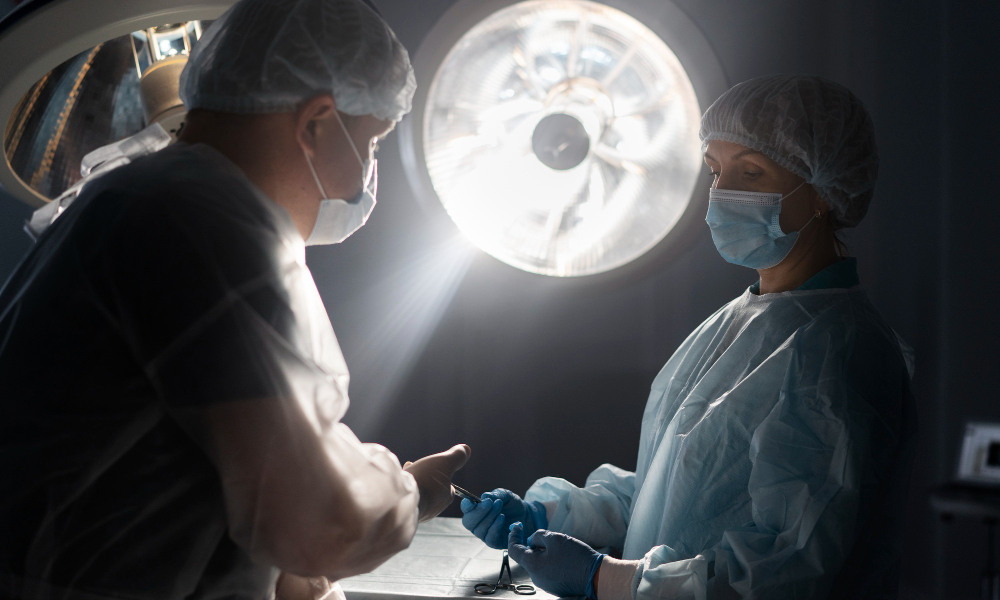
Clinicians commonly perform polyp removal through the nostrils, which means no external incision is necessary. Fine instruments lift or trim the swollen tissue while preserving the healthy lining whenever possible. Some clinicians use a microdebrider, a device that cuts and suctions simultaneously. The goal is to improve airflow, clear drainage pathways, and reduce obstruction. Procedure length varies with the amount of disease and the sinus anatomy involved.
Why Some Patients Choose Office Care
Office treatment can suit selected patients whose disease pattern and general health support that setting. In those cases, the visit may feel less disruptive than scheduling a hospital visit. Clinicians use local numbing medicine, and recovery begins at home later that day. That option is not ideal for everyone. Eligibility depends on polyp size, distribution, bleeding risk, and whether added sinus work is necessary during the same session.
Preparing for the Appointment
Preparation starts with a comprehensive medication review. Blood thinners, certain supplements, and anti-inflammatory drugs may require temporary changes before the visit. Patients should also ask about dietary restrictions, transportation, and the expected time away from work. A brief symptom timeline helps the clinician assess severity, including loss of smell, infections, steroid use, and sleep disruption. Prior scan reports can save time and sharpen planning for the day of treatment.
Recovery and Early Healing
Early healing usually brings temporary congestion, light bleeding, crusting, and mild soreness. Experts often advise saline irrigation because it keeps the lining moist and clears debris from the healing surface. Follow-up care matters, since the clinician may clean the area and check for swelling or scar formation. Heavy lifting often waits until your healthcare provider clears you. Improvement in smell can be gradual, especially when long-standing inflammation affects the sensory lining.
Benefits, Limits, and Risks
Many patients breathe more easily after treatment and notice better sleep, less pressure, and improved smell. Still, removal does not cure the inflammatory tendency that gave rise to the growths in the first place. Polyps may return, especially in people with asthma, allergies, or chronic sinus disease. Ongoing medical care remains important. Possible risks include bleeding, infection, scar tissue, and incomplete symptom relief, though serious complications are uncommon.
Conclusion
Surgery is usually an option when nasal polyps continue to cause significant symptoms despite careful medical treatment. The procedure aims to remove obstructing tissue, reopen airflow, and help future medicines reach the lining more effectively. Timing depends on symptom burden, examination findings, scan results, and overall health. Patients who understand the purpose, steps, and healing course are better prepared to make decisions grounded in realistic expectations and to maintain steady follow-up care.


Death toll from Venezuela earthquakes rises to nearly 5,000

When Is It Time to Consider a Wig? Understanding the Signs and Benefits

How Consumer Shifts Are Redefining Personal Aesthetics

States Expand Bank Powers to Combat Rising Elder Financial Abuse
-

 Legal6 days ago
Man shot and killed by police after pointing gun at people in Austin, Texas
-

 World5 days ago
Death toll from wildfire in southern Spain rises to 13
-

 Politics4 days ago
U.S. sanctions 10 Cuban entities over repression and regime funding
-

 Legal1 week ago
Maryland man sentenced to 15 years for trying to join ISIS, plotting U.S. attack
-

 Legal3 days ago
Muslim mall worker critically injured in stabbing over his religion
-

 Legal3 days ago
New Mexico detective convicted of helping drug trafficker evade DEA operations
-

 Legal4 days ago
New York man arrested after livestreaming threats to kill Donald Trump Jr.
-
 Legal4 days ago
Austin police release footage of fatal shooting of man who pointed gun at bystanders