
Reviews
How Technology is Changing Warehousing for the Better

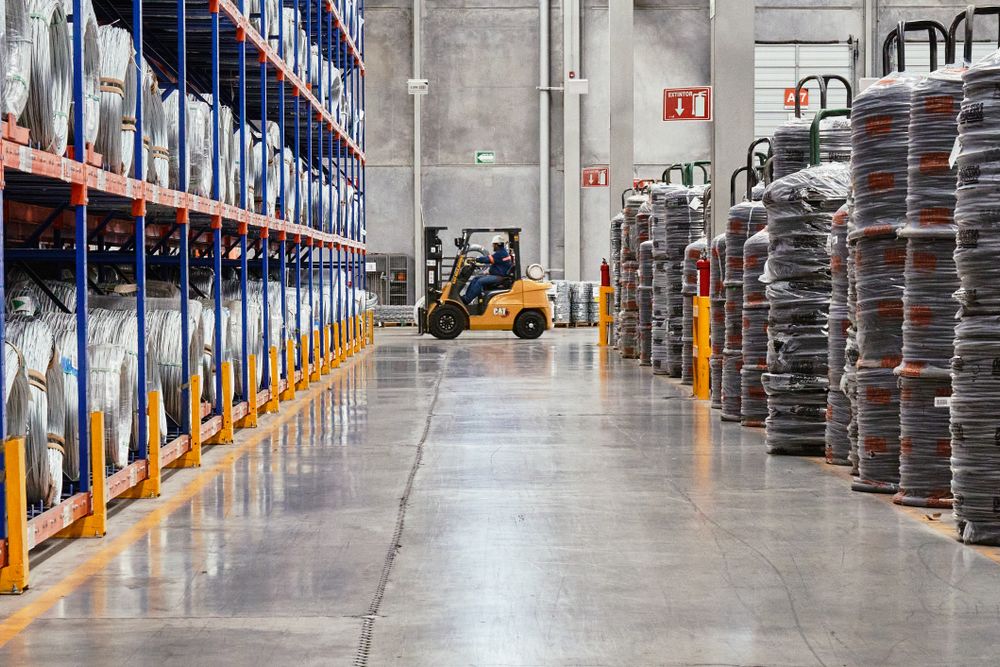
Walk into a modern warehouse today, and you’ll notice something almost immediately: It’s not just shelves and forklifts anymore. Behind the scenes, software is tracking inventory in real time, automated systems are moving products from one location to another, and employees have better tools to do their jobs efficiently.
Technology hasn’t replaced people in warehousing. It has actually changed the way they work – and it does so in numerous ways. For the most part, by taking over repetitive tasks and making better use of data, today’s warehouses are just… better. They process orders faster. They reduce mistakes. And they keep up with growing customer expectations.
Keep reading to learn more.
Automation and Robotics
Automation has become one of the biggest drivers of change in numerous industries, including the warehouse industry. It’s so easy to see why.
Tasks that once took hours to complete are now much quicker. This is due to automated equipment handling everything from moving pallets to sorting products. Robots transport inventory across large facilities. At the same time, automated picking systems help speed up order fulfillment.
Of course, that doesn’t mean warehouses are becoming fully automated overnight. In many cases, the best results are simple. They come from people and technology working together. Employees spend less time on repetitive, physically demanding tasks and more time on jobs that require problem-solving and decision-making.
Synchronized Software Stacks
Running a warehouse involves far more than simply storing products. Everything needs to stay in sync – inventory levels, incoming shipments, customer orders, transportation, and so on.
That’s where integrated software makes a real difference. Warehouse management systems (WMS), transportation software, inventory platforms, and business management tools all share information in real time. This gives teams a much clearer picture of what’s happening across the operation.
For companies like WSI Warehouse Specialists, connected systems make processes easier. Visibility improves. Delays are reduced. Changes in demand are handled quickly. Instead of relying on spreadsheets or disconnected programs, teams make informed decisions using accurate, up-to-date information.
Wearable and Sensor Tech
Some of the biggest improvements in warehouse technology are the ones people aren’t always notice. It’s the small things, the easy-to-miss things.
Barcode scanners, smart glasses, and other wearable devices allow employees to work efficiently while keeping their hands free. At the same time, use sensors placed throughout the facility. They will monitor inventory movement, equipment performance, and even environmental conditions, including humidity and temperature.
Such tools help in several ways, from reducing errors to improving safety. They also provide valuable insights. These additional insights should be used to fine-tune daily operations. Even the littlest of improvements add up.
To conclude, technology has reshaped warehousing – and it continues to do so. However, the goal here hasn’t changed. Accuracy, safety, and efficiency are priorities in warehousing. After all, those three traits are necessary to move products.
Today’s tools make that job easier. Businesses should embrace the technology mentioned above. Doing so is essential to meet customer expectations and build resilient operations.



-

 Legal4 days ago
6 shot, 1 killed, at San Antonio apartment complex
-

 Politics3 days ago
U.S. condemns China’s submarine ICBM test into Pacific
-

 Legal1 week ago
7 sentenced in Texas detention center attack that wounded officer
-

 World2 days ago
Ukrainian suspect in Monaco bombing found shot dead
-

 Legal3 days ago
Police sergeant, mother and daughter killed in Ohio shooting; suspect dead
-

 World1 week ago
10 Buddhist monks killed when 11-year-old crashes pickup truck in Thailand
-

 Legal1 week ago
Suspect arrested at Las Vegas-area casino after mass shooting threats
-

 Legal2 days ago
San Diego deputy sentenced for shove that fractured detainee’s spine