
Reviews
Understanding Surgical Options for Degenerative Disc Disease

Persistent back pain can disrupt your daily life and limit your favorite activities. When conservative treatments like physical therapy or medication fail to provide relief, you might start exploring surgical options.
Understanding these procedures helps you make informed choices about your spinal health. Modern medicine offers several paths to address severe spinal issues, and learning about them is the first step toward finding relief.
Exploring Surgery
Surgeons often recommend evaluating your spine’s structure before choosing an invasive procedure. Many patients find that undergoing a disc replacement can restore lost flexibility and reduce chronic pain. This option serves as a modern alternative to fusing your bones together.
During this procedure, a surgeon removes the damaged spinal disc. They replace it with an artificial device made of metal and medical-grade plastic. Keeping this natural movement active is a key goal for many patients.
The Reality Of Spinal Degeneration
Spinal wear happens naturally as you grow older, changing how your back functions. Your spinal discs lose their water content and elasticity, making them less effective cushions.
An article from a national medical library notes that disc degeneration is the primary cause of spine problems for people in their 50s and 60s. This gradual wear can lead to pinched nerves, stiffness, and severe discomfort. Recognizing these signs early helps you plan better treatment options.
Many patients ignore early stiffness, believing it is just a sign of normal aging. Addressing these symptoms early can prevent further damage to your spine.
Comparing Spinal Fusion And Motion Preservation
Spinal fusion has been the traditional standard for treating severe back pain. This surgery welds two or more vertebrae together to stop painful movement. It is highly effective for stabilizing a weak spine.
A paper published in a molecular science journal points out that fusion stabilizes the spine, but it stops movement at the treated joint and can accelerate wear in nearby segments.
Patients who want to maintain their natural range of motion often look toward motion preservation therapies. These methods aim to protect the surrounding joints from rapid wear. Keeping your spine flexible helps you stay active as you age.
Understanding Lumbar Total Replacement
Lower back surgery requires careful planning to protect your delicate joints. Lumbar total replacement replaces damaged lower spinal discs to keep you moving.
An article in a bioengineering journal explains that lumbar arthroplasty shares the physical load with your facet joints, which can cause issues if the parts do not match perfectly or if those joints are already worn down. Proper patient selection is key to avoiding these joint compatibility issues.
Surgeons must check the health of your facet joints before recommending this route. If your joints are healthy, this surgery can offer great long-term results. Patients often experience significant pain relief and improved mobility.
The Benefits Of Minimally Invasive Approaches
Many spinal surgeries now use smaller incisions and advanced tools. These modern techniques minimize muscle damage and help you heal faster. They represent a major step forward in patient care, offering a gentler alternative to open surgery.
Choosing a minimally invasive path offers several key advantages for your recovery:
- Smaller incisions lead to less scarring and less blood loss.
- Patients spend less time in the hospital after their procedure.
- Recovery times are faster, letting you return to your routine sooner.
These techniques reduce postoperative discomfort and lower the risk of infection. Discussing these modern options with your surgeon can help you choose the safest path. You can ask if your specific condition is suitable for these less invasive techniques.

Preparing For Your Spinal Consultation
Meeting with a spine specialist is the best way to determine your eligibility for surgery. You should prepare a list of questions about your symptoms, pain levels, and lifestyle goals. Sharing your medical history completely helps the doctor build a personalized treatment plan.
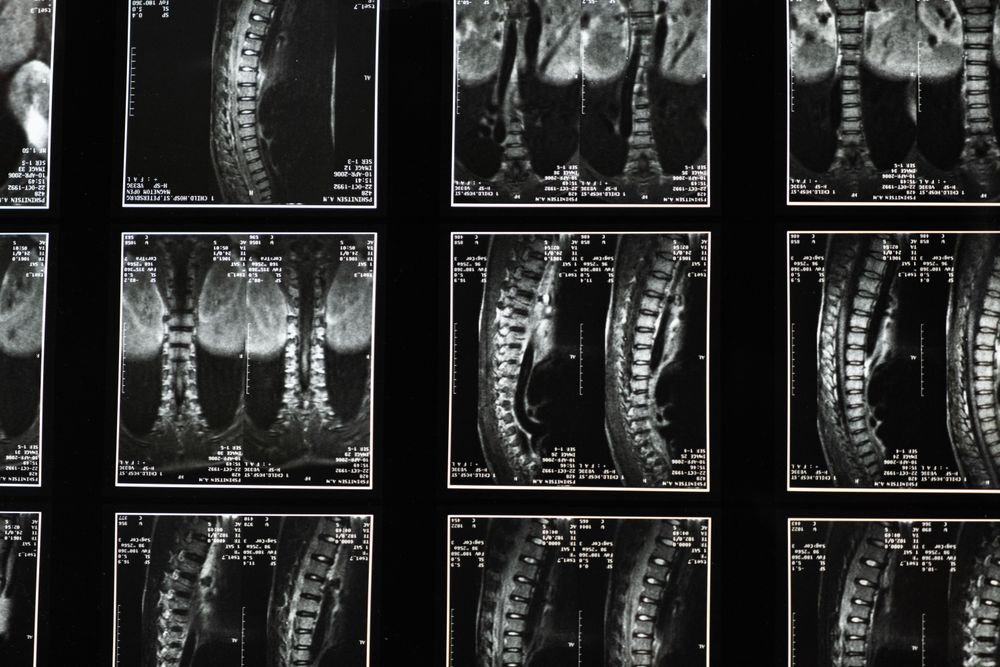
Your doctor will likely order imaging tests like MRI scans or X-rays to see your spine clearly. These detailed pictures reveal the exact location and severity of your disc damage.
They help your surgical team decide if you are a candidate for motion-preserving options. These tests are straightforward and provide invaluable data for your care.
Ask about the expected recovery timeline and any physical therapy you might need after surgery.
Knowing what to expect makes the entire surgical process feel much more manageable, and preparation is key to a smooth recovery. Preparing your home for your return can ease stress during your recovery.
Choosing the right surgical path requires careful discussion with a qualified spine specialist. Every spine is unique, and your treatment plan should match your personal needs.
By learning about the available options, you can feel confident in your healthcare decisions. Take the time to gather information and partner with a team that supports your goals for a pain-free life.



-

 Legal1 week ago
Man shot and killed by police after pointing gun at people in Austin, Texas
-

 World1 week ago
Death toll from wildfire in southern Spain rises to 13
-

 Politics1 week ago
U.S. sanctions 10 Cuban entities over repression and regime funding
-

 Legal6 days ago
Muslim mall worker critically injured in stabbing over his religion
-

 Legal6 days ago
New Mexico detective convicted of helping drug trafficker evade DEA operations
-

 Legal1 week ago
New York man arrested after livestreaming threats to kill Donald Trump Jr.
-

 Legal1 week ago
Austin police release footage of fatal shooting of man who pointed gun at bystanders
-

 Legal5 days ago
Marine veteran charged with threatening to kill Trump in ‘holy war’