
Reviews
The 2026 Homeowner’s Guide to Solar Batteries and Whole-Home Backup Power

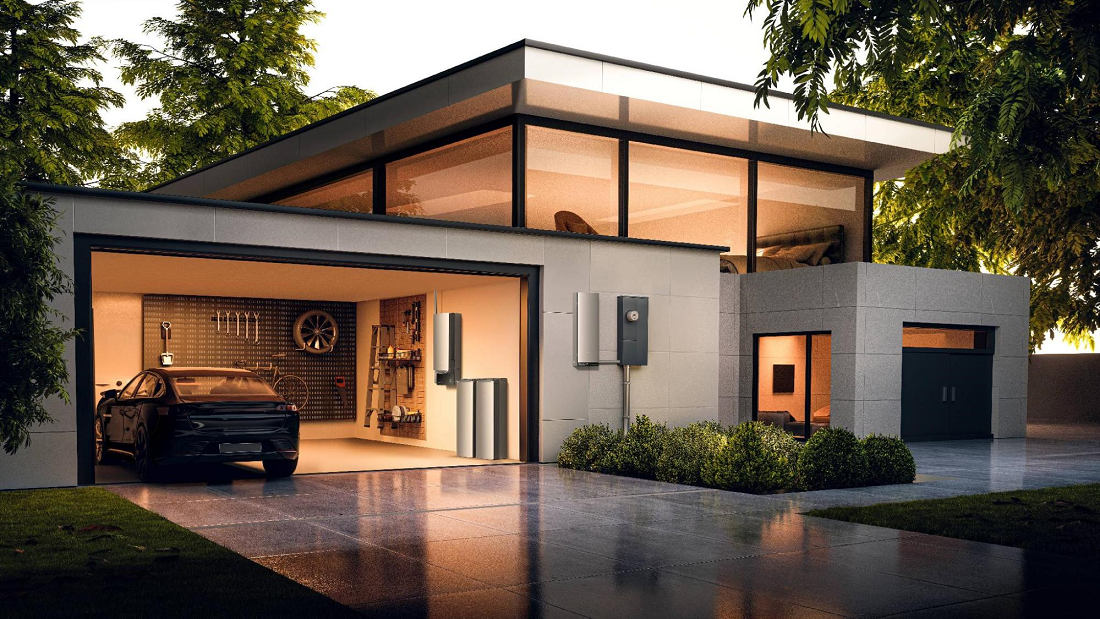
Energy independence has evolved from a niche luxury to a household standard across the US. As grid unreliability and rising power bills challenge modern living, securing a stable electricity source remains a top priority. Recent technological leaps mean that simply having panels on the roof is no longer enough. Complete energy autonomy now relies on robust storage solutions capable of running the entire property during extended outages.
Navigating these advancements requires clear information to maximize long-term value. This overview examines why modern residential energy storage has become a standard consideration, moving past older systems to focus on heavy-duty performance.
Shifting from partial to whole-home backup
For years, residential storage systems only kept essential circuits alive during blackouts. A fridge and a few lights remained on, while major appliances went dark. Technology has bypassed those limitations entirely. Modern systems deliver enough continuous output to keep heavy loads running without interruption.
Adding a modern solar battery now offers incredible storage capacities alongside impressive surge capabilities to start large air conditioners. This means you no longer have to choose between cooling the living space and running water pumps, allowing you to maintain essential home operations during outages.
Navigating the changing US energy market
The transition away from generous net metering programs in states like California and Texas has changed the financial equation for households. Sending excess daytime power back to the grid now yields diminishing returns. Instead, capturing that midday solar generation for evening consumption offers a much stronger financial outcome.
Storing generated power minimizes dependence on the grid during expensive evening peak periods, allowing households to avoid inflated time-of-use rates. A well-designed and integrated home battery system maximizes the original investment in rooftop panels by ensuring every generated kilowatt serves the property directly.
Core advantages of upgrading to whole-home battery storage
Modern residential battery systems go beyond basic emergency backup, creating an intelligent ecosystem designed to protect the home and maximize financial returns.
- Automated Savings via Intelligent Mode: Smart controllers automatically optimize energy distribution by analyzing household consumption patterns and local weather forecasts. The hardware seamlessly balances charging and preserving power behind the scenes, ensuring peak efficiency without requiring daily manual adjustments.
- Passive Income through Virtual Power Plants (VPP): By connecting a battery to a decentralized network, static hardware can become a financial asset. Energy providers draw from stored reserves during extreme grid demand, which can earn premium compensation or utility credits while supporting the broader infrastructure.
- Scalable, Modular Design: Household energy demands change over time (e.g., adding an EV or expanding a home’s square footage). Modern modular architectures allow for starting with a base unit and easily stacking additional storage capacity later, preventing the need to purchase an entirely new system as power needs grow.
Preparing for extreme weather events
Climate volatility continues to strain traditional utility grids across the country. Intense summer storms and unexpected heatwaves frequently cause localized blackouts just when you need climate control most. A robust internal power reserve acts as an invisible shield against these external disruptions.
High-capacity setups transition so rapidly during an outage that digital clocks often do not even reset. This uninterrupted transition provides peace of mind when external conditions deteriorate, helping maintain a normal standard of living—keeping food fresh and communication lines open—while remaining isolated from regional infrastructure failures.
Guide: Considerations for Modular Battery Sizing
When evaluating a capacity upgrade, sizing a modular system relies on specific hardware configurations and property demands:
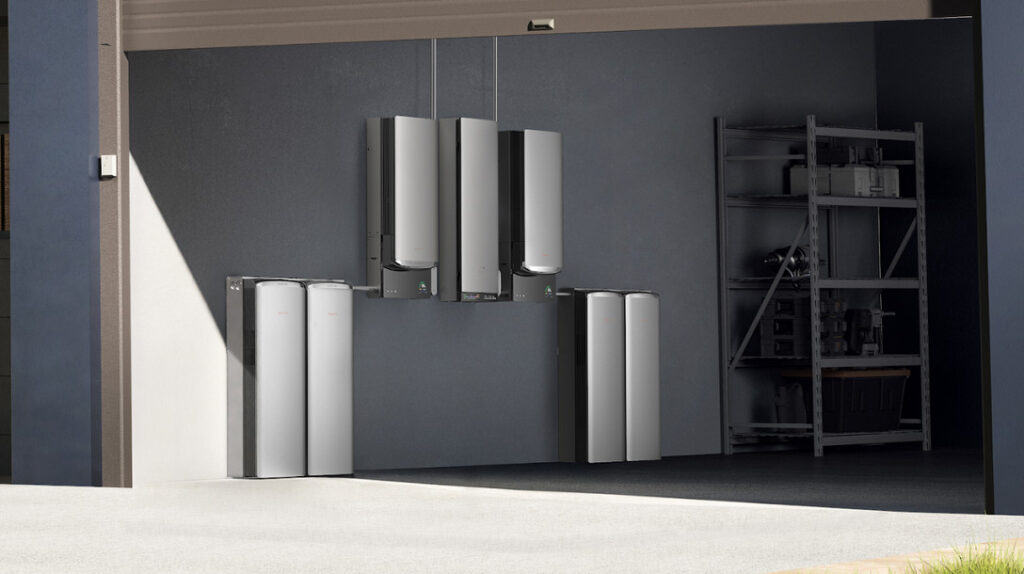
- Base Capacities: Modular architectures allow for customized system sizing. A standard individual battery module typically provides a baseline storage capacity and acts as the foundational unit for residential setups. Systems such as the EcoFlow OCEAN Pro follow this modular design approach for scalable home energy storage, utilizing base modules of 10 kWh that can seamlessly stack up to 80 kWh per inverter to match exact power needs.
- Incremental Expansion: Modules can be installed based on current consumption. If household load demands increase in the future, additional units can be integrated into the existing framework without replacing the primary inverter.
- Professional Assessment: Due to variations in electrical panels and property load profiles, installation requires a certified professional. Installers are necessary to hardwire the system safely and to calculate the precise module count required to meet the property’s specific operational targets.
Future-proofing your energy infrastructure
A modern power setup must adapt to the hardware already on the roof and what might park in the garage tomorrow. Ensuring the system connects with current assets while anticipating future demands creates a truly resilient household.
Seamless integration with existing solar arrays
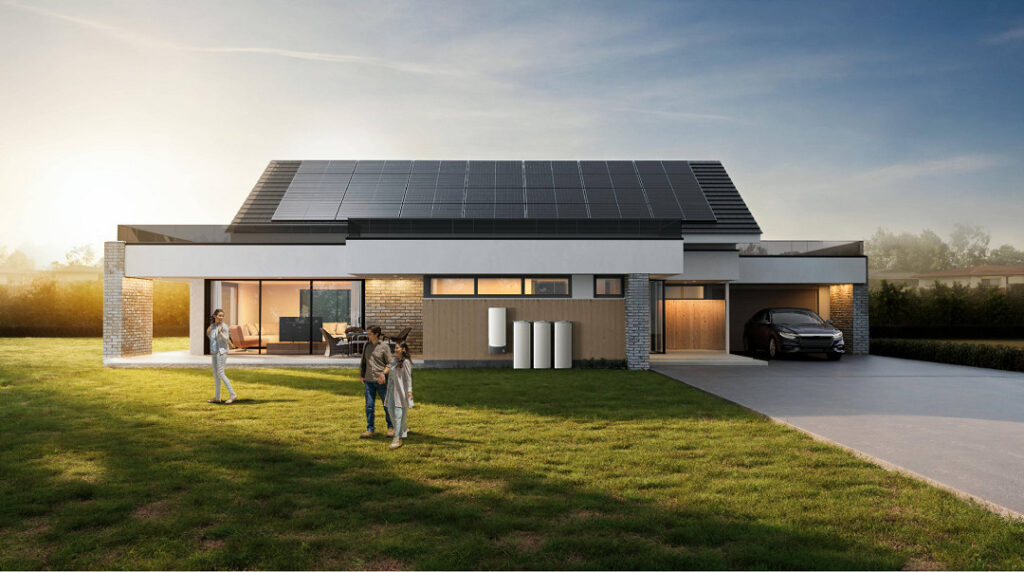
Adding modern battery capacity does not mean tearing out existing panels. Retrofitting has become more streamlined, with many high-voltage systems designed to connect with existing rooftop solar arrays while protecting the original solar investment. Storage modules can integrate into the home’s existing power ecosystem, helping households upgrade to whole-home backup capabilities without replacing their entire solar setup.
Because every solar installation has different electrical configurations, working with a qualified solar installer near me can help homeowners evaluate system compatibility, understand upgrade requirements, and choose the right storage solution.
Adapting to future electric vehicle charging
Electric transportation drastically changes how a household consumes power. Plugging a car into the garage effectively adds another major appliance to the daily load profile. Modern storage configurations anticipate this shift, providing enough capacity to charge a vehicle overnight without depleting reserves meant for morning routines. Having this robust buffer prevents pulling expensive grid power to fuel the commute. Preparing the property now ensures that when an electric car arrives, the infrastructure already exists to support it sustainably.
Conclusion
Securing a home’s energy future in 2026 means moving far beyond basic rooftop installations. By investing in modern, high-capacity battery storage, American households gain true independence from grid unreliability and steadily rising utility costs. Embracing these advanced technological systems ensures resilient, efficient, and financially smart power management for decades to come. As the shift toward electric vehicles and decentralized power networks accelerates, upgrading today thoroughly future-proofs the property against tomorrow’s challenges. You capture ultimate control over personal electricity consumption, ensuring lasting peace of mind, uninterrupted daily comfort, and a rock-solid return on investment regardless of external grid disruptions.


Illinois man charged with threatening to attack Fort Bliss personnel and families

San Diego deputy sentenced for shove that fractured detainee’s spine

Sinaloa Cartel lieutenant charged with narcoterrorism in U.S. fentanyl case

Added floors likely caused instability at Midtown Manhattan tower – WSJ
-

 Legal3 days ago
6 shot, 1 killed, at San Antonio apartment complex
-

 World1 week ago
14 killed in Saudi oil company helicopter crash
-

 US News1 week ago
Texas deputy killed by truck at drunk-driving crash scene
-

 World1 week ago
Poland breaks its national heat record amid European heatwave
-

 Politics1 day ago
U.S. condemns China’s submarine ICBM test into Pacific
-

 Legal7 days ago
7 sentenced in Texas detention center attack that wounded officer
-

 World6 days ago
10 Buddhist monks killed when 11-year-old crashes pickup truck in Thailand
-
 Legal2 days ago
Police sergeant, mother and daughter killed in Ohio shooting; suspect dead