
Reviews
How FNAF Merch Became a Horror Pop Culture Staple

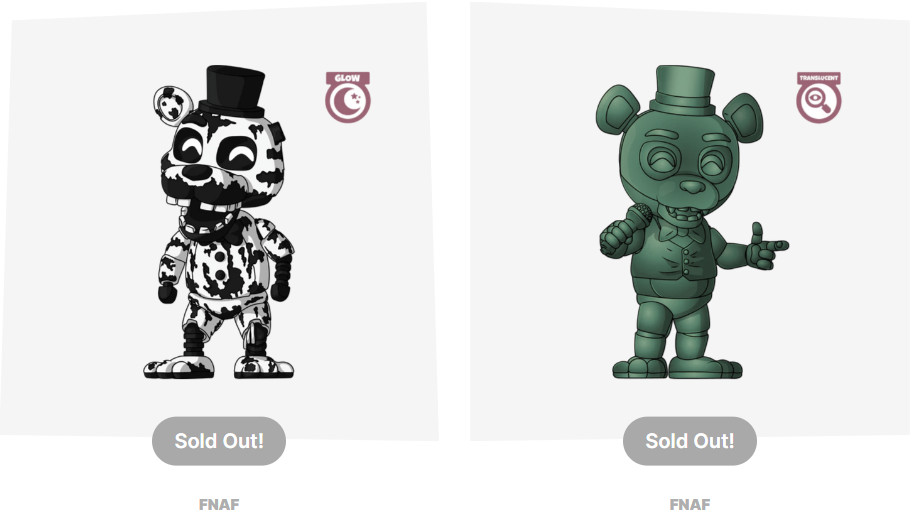
Five Nights at Freddy’s arrived in 2014 with a look that felt instantly legible. Mascot animals, party-room colors, and mechanical faces created unease without needing graphic violence. That mix gave the series unusual reach beyond play sessions. Shelves, desks, and backpacks became natural extensions of fandom. Over time, physical goods turned a screen-bound horror property into a recognizable cultural marker with staying power across collectors, younger fans, and casual observers.
From Screens to Shelves
Collectors responded early because the imagery translated cleanly into objects people could keep close. Plush forms softened the fear, while figures preserved the stiff grins and hollow stares that defined the cast. During that shift, FNAF merch began to function as a shared visual language for the horror fandom. Bedrooms, convention bags, and streaming setups started carrying the same signals once confined to gameplay footage and fan theories.
Built for Recognition
Strong merchandise depends on forms that are easy to read at a glance. A top hat, rabbit ears, a hook hand, or a bib can identify a character before fine detail appears. That clarity matters on a shelf, inside a thumbnail, or across a crowded booth. Few horror properties carry silhouettes this clean. Even reduced to plush proportions, the characters remain slightly wrong, which keeps the tension alive.
Scarcity With Meaning
Limited releases helped, yet rarity by itself rarely builds lasting demand. Buyers return when a product connects with a character or moment that already carries emotional weight. Here, scarcity worked because the franchise stored years of memory in each design. A sold-out plush is not just harder to get. It becomes evidence of timing, attachment, and participation in a wider fan history that feels personal.
A Cast That Keeps Growing
Another advantage lies in range. The property never depended on a single mascot, even if a few faces became central. New entries introduced fresh shapes, costumes, and expressions without erasing the older lineup. That steady expansion keeps product lines from looking static. Longtime followers can chase references to earlier chapters, while newer fans find entry points tied to recent releases, theories, or online discussions they already know.
Horror With Playfulness
The tone also helps. Fear sits beside party imagery, bright accents, and intentionally awkward character design. That contrast gives manufacturers room to shift emphasis without breaking the identity. One item can look cute, another can feel unsettling, and both still make sense together. Very few horror brands hold that balance well. Here, the visual language supports humor, nostalgia, and discomfort within the same product family.
Visibility Fueled Demand
Online circulation turned each item into more than a purchase. Unboxing videos, shelf photos, ranking clips, and convention snapshots kept products moving through feeds long after their release dates. Visual shorthand matters in those spaces, and this franchise has plenty of it. A single plush or pin can immediately communicate taste, age, and fandom literacy. That repeat exposure widened interest beyond dedicated horror circles and into everyday internet culture.
Easy Entry Points
Price structure matters as much as aesthetics. Small accessories offer hesitant buyers a low-risk starting point, while larger pieces serve committed collectors seeking display value. That ladder works because it mirrors how fandom usually develops. Someone may start with a keychain, then move to a plush, and later add a figure. The range supports casual curiosity without excluding people who lack space, budget, or long-term collecting habits.
Appeal Across Ages
Few horror properties bridge generations this smoothly. Younger audiences often meet the series through clips, school chatter, or creators online. Older fans remember early playthroughs and long-running theory debates. Merchandise lets both groups participate in ways that suit their habits. A desk figure, backpack charm, or plush each serves a different purpose. The shared iconography keeps recognition intact even when age, spending patterns, and collecting goals differ.
Conclusion
This merchandise became a pop culture staple because the underlying designs travel well across formats, audiences, and online spaces. Distinct silhouettes, tonal flexibility, and a deep character bench gave physical products unusual staying power. Collectors were not simply buying souvenirs. They were adopting visible markers of identity, memory, and belonging. As long as the franchise keeps pairing memorable figures with smart collectible formats, its shelf presence will remain culturally familiar.


Texas Amber Alert: Genesis Mills missing from Montgomery County

U.S. condemns China’s submarine ICBM test into Pacific

2 Kansas men plead guilty in separate threats against Rep. Omar, ICE agents

Tornado kills 4, injures more than 170 in central China
-

 World1 week ago
Germany breaks national all-time heat record amid European heatwave
-

 Legal1 day ago
6 shot, 1 killed, at San Antonio apartment complex
-

 World1 week ago
14 killed in Saudi oil company helicopter crash
-

 US News1 week ago
Texas deputy killed by truck at drunk-driving crash scene
-

 World1 week ago
Poland breaks its national heat record amid European heatwave
-

 Legal5 days ago
7 sentenced in Texas detention center attack that wounded officer
-

 World4 days ago
10 Buddhist monks killed when 11-year-old crashes pickup truck in Thailand
-

 Legal4 days ago
Suspect arrested at Las Vegas-area casino after mass shooting threats