
US News
Added floors likely caused instability at Midtown Manhattan tower – WSJ

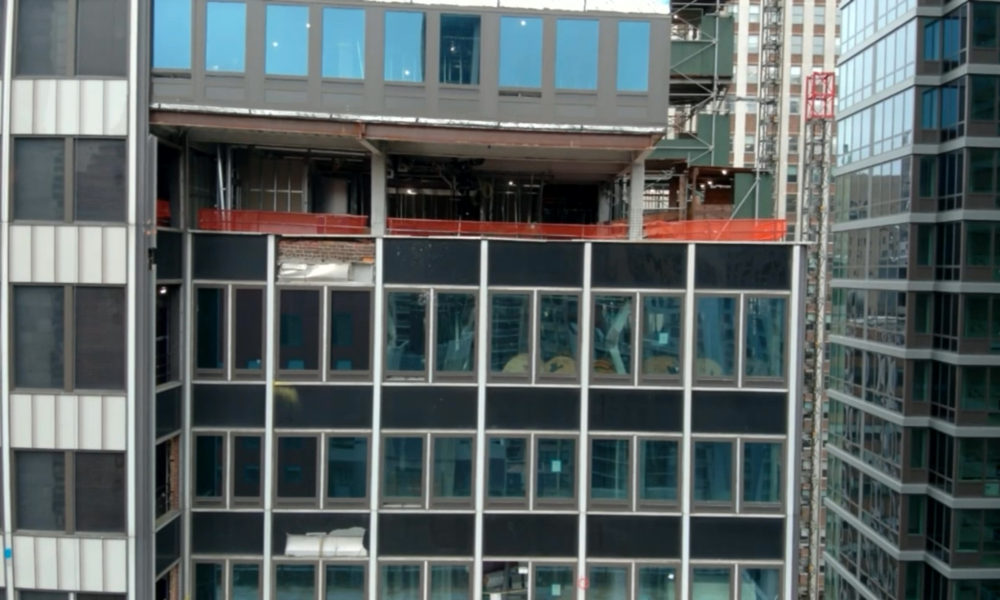
The structural failure that left a Midtown Manhattan high-rise at risk of a partial collapse likely stemmed from the weight of newly added floors at the top of the building, the project’s developer told The Wall Street Journal.
The problem was reported just before 8 a.m. at 235 East 42nd Street, between Second and Third Avenues, where an office building is being converted into residential use. Fire officials said the first 911 call reported bricks falling from the upper floors.
Mayor Zohran Mamdani said first responders found structural issues on the 21st floor, including two buckled columns, multiple cracks and sagging floors. He said the building remained unstable and that officials had observed additional movement in one of the compromised columns after arriving at the scene.
City officials said the property includes a 37-story section and a lower 22-story section where an 11-story addition had been built and topped out.
The project’s developer told The Wall Street Journal that the structural problem likely stemmed from the weight of the addition at the top of the building.
Officials said the concern was a localized collapse, not a total collapse, because the building has a steel frame.
“The box beams, the steel beams, have started to bend and deflect from the weight,” FDNY Chief of Department John Esposito said at a briefing.
No injuries have been reported, and all construction workers at the site have been accounted for, officials said. Fire Commissioner Lillian Bonsignore said about 150 fire and emergency medical personnel, including more than 50 units, were at the scene.
The building was evacuated, along with seven nearby buildings, as officials set up a collapse zone. Police also established a frozen zone from 40th to 45th streets between First and Third avenues, closing the area to pedestrian and vehicle traffic.
Engineers were using FDNY drones and specialized monitoring equipment to track movement in the building while waiting for materials to stabilize it.
Officials said the next step would be to enter the 21st floor and install emergency supports to spread the load, but only after the area is deemed safe enough for engineers to go inside.


Illinois man charged with threatening to attack Fort Bliss personnel and families

San Diego deputy sentenced for shove that fractured detainee’s spine

Sinaloa Cartel lieutenant charged with narcoterrorism in U.S. fentanyl case

Added floors likely caused instability at Midtown Manhattan tower – WSJ
-
 Legal2 days ago
6 shot, 1 killed, at San Antonio apartment complex
-

 World1 week ago
14 killed in Saudi oil company helicopter crash
-

 US News1 week ago
Texas deputy killed by truck at drunk-driving crash scene
-

 World1 week ago
Poland breaks its national heat record amid European heatwave
-

 Politics1 day ago
U.S. condemns China’s submarine ICBM test into Pacific
-

 Legal6 days ago
7 sentenced in Texas detention center attack that wounded officer
-
 World5 days ago
10 Buddhist monks killed when 11-year-old crashes pickup truck in Thailand
-

 Legal1 day ago
Police sergeant, mother and daughter killed in Ohio shooting; suspect dead