
Business
Smart Ways to Choose the Right Roll-Up Door

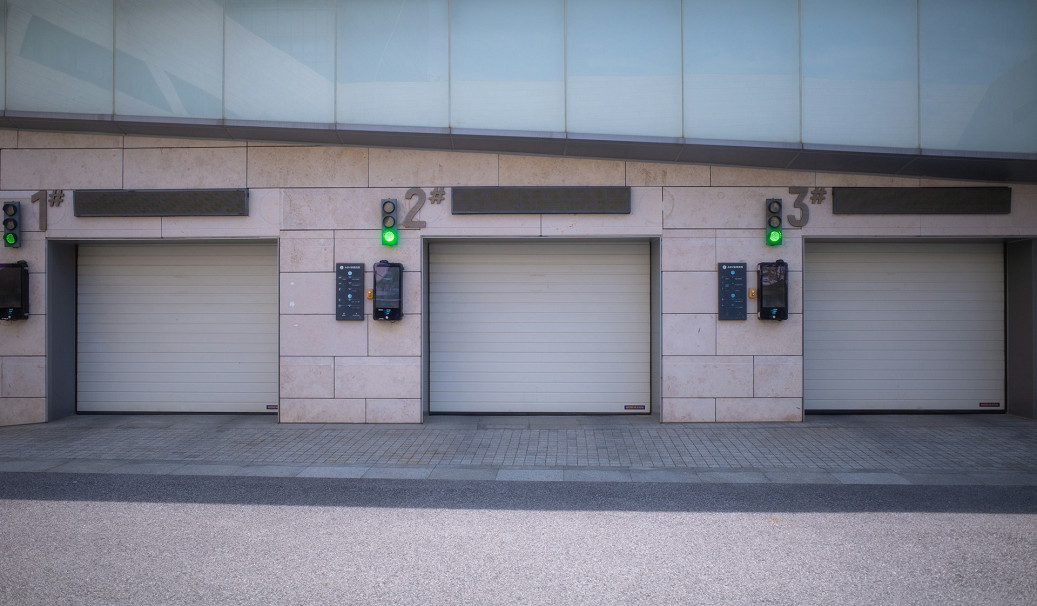
Choosing a roll-up door might not sound exciting at first, but it can make a big difference in how smoothly your business runs. The right door helps protect your stuff, keeps work moving, and saves you from surprise repair bills that pop up like an unwanted jack-in-the-box. If you pick too fast, you could end up with a door that struggles every day. A smarter choice now can save you money, stress, and plenty of headaches later.
Why Quality Matters
A roll-up door does more than open and close. It protects inventory, controls access, and helps your building stay comfortable. If the door is flimsy or poorly installed, you may deal with drafts, break-ins, or repairs that keep showing up like bad sequels.
That’s why working with a reliable roll up door installer company matters. A good installer helps you choose a door that fits your building and daily routine, not just one that looks fine on paper.
Quality also affects how often your team gets interrupted. A door that sticks, rattles, or refuses to cooperate can slow down deliveries and frustrate employees. Over time, a better door usually costs less because it needs fewer repairs and performs more consistently. Cheap can get expensive in a hurry.
Match Door to Use
Not every business uses a roll-up door the same way. A warehouse may need a large door that opens many times a day. A storage unit might need something smaller but secure. A retail backroom may care more about quiet operation and good insulation.
Before choosing, think about how the door will actually be used. Ask yourself a few simple questions:
– How often will it open and close each day?
– Do forklifts or large vehicles need to pass through?
– Is speed important during busy hours?
– Does the space need extra security or temperature control?
A service bay with constant traffic needs a tougher setup than a door used only a few times a week. Size matters too. If the opening is tight or unusually tall, the wrong fit can create daily annoyances. The best choice matches your real work habits, not just the building measurements.
Think About Durability
A door can look great on day one and still struggle after a year of hard use. That’s why durability deserves your attention. Think less about shiny brochures and more about what the door will face every single day.
If your property gets heavy wind, rain, snow, or strong sun, the material needs to hold up without warping or wearing down too fast. Steel is often a strong option for busy commercial spaces, while insulated doors can help if indoor temperature matters.
Daily wear is a big deal, too. A door that opens twenty times a day ages differently from one used twice a week. Tracks, springs, and seals all take a beating over time. If your business depends on smooth access, pick something built for regular action. A door should be tough, not dramatic.
Safety Should Come First
When a roll-up door isn’t installed or maintained properly, it can become a real hazard. That’s not just inconvenient. It can damage vehicles, harm workers, or stop operations right in the middle of a busy day.
Safe operation starts with dependable installation. The door should be balanced correctly, move smoothly, and respond as expected every time. If something is off from the beginning, problems tend to grow instead of magically fixing themselves. Sadly, doors are not self-healing superheroes.
Regular inspections matter too. Sensors, springs, tracks, and openers should be checked before small issues become big ones. A door that jerks, slams, or hesitates may be warning you that something isn’t right.
Good safety habits reduce downtime and help protect everyone using the space. In a business setting, reliability and safety usually travel together.
Know the Installation Signs
Sometimes a door doesn’t need another repair. It needs retirement. Knowing when to replace it can save you from throwing money at a problem that keeps coming back, like wearing a fake mustache.
Watch for signs like unusual grinding noises, slow movement, visible dents, bent tracks, or gaps that let in air and moisture. Poor sealing can raise energy costs and make your indoor space less comfortable, especially in extreme weather.
Frequent repairs are another clue. If you keep calling for service every few months, the door may be costing more than it’s worth. That’s especially true if the system is older and replacement parts are becoming harder to find.
A business owner should also pay attention to how the door affects daily operations. If loading is delayed or staff avoid using the door because it feels unreliable, that’s a strong sign it’s time for professional replacement.
Ask Before You Hire
Hiring an installer without asking questions is a bit like buying shoes without checking the size. Things can go wrong fast. A few smart questions can help you avoid regrets.
Start with experience. Ask how long they’ve worked with commercial roll-up doors and whether they’ve handled buildings like yours. A warehouse, auto shop, and retail stockroom all have different needs.
You should also ask about:
– Installation timelines
– Warranty coverage
– Maintenance or repair support
– Recommended door types for your usage
– What happens if problems show up after installation
Listen closely to how they answer. You want someone who explains things clearly and recommends what fits your property, not just the most expensive option. A solid installer should think about your daily workflow, traffic level, and long-term use. If they dodge practical questions, that’s your cue to keep looking.
Plan for Long-Term Value
The best roll-up door isn’t always the cheapest one up front. It’s the one that keeps doing its job with fewer interruptions, lower repair costs, and less stress for you and your team.
When you choose a door that matches your building, traffic level, and weather conditions, you’re setting yourself up for better performance over time. A strong seal can help with energy efficiency. Durable parts can reduce breakdowns. Proper installation can help the whole system last longer.
That long-term value shows up in small ways every day. Deliveries move faster. Staff spend less time fighting stubborn equipment. Customers and vendors see a business that runs smoothly.
If you take the time to choose carefully, you’re not just buying a door. You’re investing in reliability. And in business, reliability is worth a lot more than a bargain that rolls downhill fast.


How Does Cost of Living Affect Alimony in 2026

Why Satellite Navigation Is a Vital Element Built into Luxury Yachts

Minnesota lawmaker’s killer sentenced to 2 life terms plus 40 years

Ex-West Virginia jail guard pleads guilty for beating inmates in camera blind spots
-

 World1 day ago
Houthis claim missile and drone attacks on 2 Saudi oil tankers in Red Sea
-

 Legal1 day ago
2 Indianapolis police officers shot during disturbance call
-

 World1 day ago
Journalist shot dead in Mexico after blaming state government for death threats
-

 Legal1 day ago
Puerto Rico man charged over threats to bomb White House, attack soldiers and Jewish people
-

 Legal1 week ago
Muslim mall worker critically injured in stabbing over his religion
-

 World1 day ago
Mexican mayor shot dead inside city hall
-

 World2 days ago
Death toll from Guyana ferry disaster rises to 53
-

 US News2 days ago
All 4 U.S. soldiers killed in Jordan and Iraq identified