
Reviews
Bathroom Upgrade Ideas That Add Comfort and Value

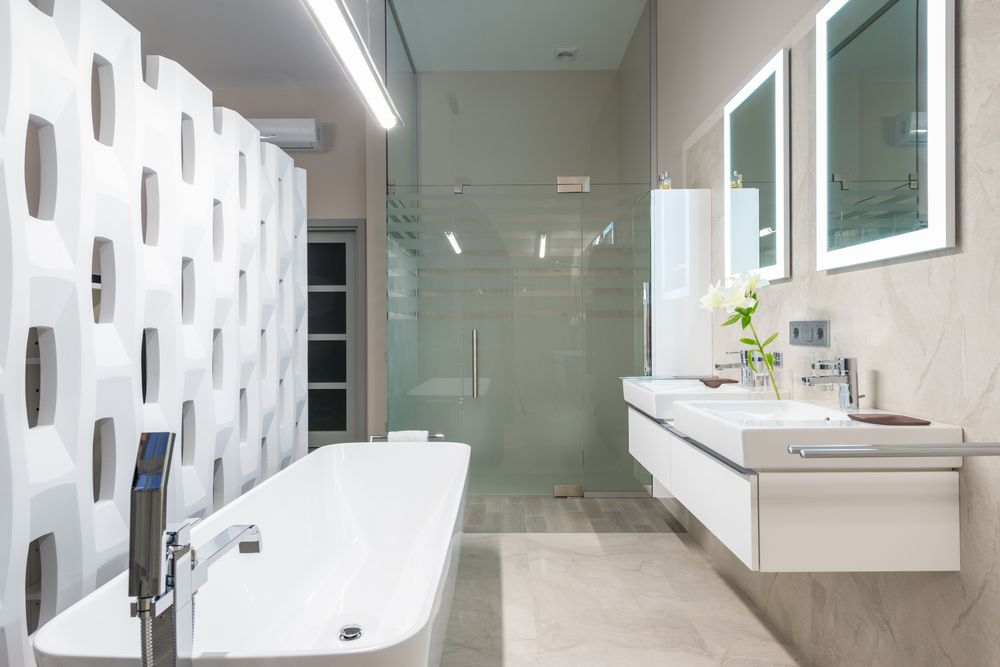
For homeowners in Connecticut, a bathroom should be able to keep up with everyday life while standing up to years of regular use. Whether you live in a historic New England home or a newer property, an outdated or inefficient bathroom can make daily routines feel more frustrating than they need to be. The good news is that creating a more comfortable and functional space does not require an oversized renovation or luxury-only features.
Thoughtful bathroom upgrades can address common issues like limited storage, poor lighting, worn finishes, and outdated fixtures while making the room easier to maintain. From improving comfort during busy mornings to adding long-term value to your Connecticut home, a well-planned remodel focuses on practical improvements, durable materials, and a layout that works for your household today while remaining appealing for years to come.
Planning the makeover
Before picking out tile or paint colors, start by evaluating what is not working in the current bathroom. Maybe the shower feels cramped, the vanity offers little storage, or the lighting makes grooming difficult. By identifying the biggest pain points first, you can make sure the remodel addresses real needs instead of becoming a collection of design ideas that do not improve daily life.
A useful approach is to divide your wishlist into three groups: must-haves, nice-to-haves, and items you can skip if needed. This keeps the project organized and protects the budget from being spent on features that look appealing but do little to improve function.
It also helps to involve professionals early. Bathrooms often require plumbing, electrical work, ventilation, and waterproofing, all of which must be done correctly. If you are exploring options, CT bathroom contractors can help with planning, estimates, scheduling, and permits. Professional support often prevents costly mistakes and makes the process easier to manage.
Set a realistic budget
A solid budget is essential for a successful bathroom remodel. The easiest way to manage it is to break costs into clear categories: materials, fixtures, labor, and contingency funds.
Materials include flooring, tile, paint, cabinets, countertops, and hardware. Fixtures cover items such as the toilet, sink, tub, showerhead, and faucets. Labor often takes a large share of the budget, especially when the work involves plumbing changes, wiring updates, or repairs hidden behind walls.
One of the smartest budget strategies is to spend more on items that are hard or disruptive to replace later. Waterproofing, ventilation, plumbing, and quality installation matter far more in the long run than decorative details alone. Mirrors, accessories, and some light fixtures can often be updated later without major demolition, so those do not always need top priority.
It is also wise to set aside 10 to 15 percent of the total budget for surprises. Once demolition begins, older bathrooms sometimes reveal leaks, rotted subfloors, damaged framing, outdated wiring, or plumbing issues. A contingency fund allows those problems to be fixed properly without throwing the entire project off track.
Choose useful upgrades
The best bathroom upgrades are usually the ones that make the room easier to use every day. Style matters, but practical improvements often deliver the greatest return in both comfort and value.
Lighting is one of the best places to invest. Bright, even lighting around the mirror makes shaving, makeup, and grooming much easier. Combining overhead lighting with vanity fixtures creates a layered effect that improves visibility and makes the room feel more welcoming.
Walk-in showers remain a popular upgrade because they combine convenience and style. They are often easier to access, simpler to clean, and can make the bathroom feel more open. Adding a built-in shower niche is a small but valuable improvement because it keeps soap and shampoo organized without cluttering the floor or ledges.
Storage is another high-impact feature. Vanity drawers, recessed medicine cabinets, open shelving, and over-the-toilet cabinets all help reduce countertop clutter. When everything from towels to toiletries has a designated place, the bathroom feels more functional and less chaotic.
An updated vanity can make a major difference as well. Better drawer organization, stronger materials, and more usable counter space improve the look of the room while making daily routines more convenient. Durable, low-maintenance surfaces such as quartz countertops and large-format tile are especially practical because they clean easily and hold up well over time.
Balance style and function
It is easy to get carried away by trends, especially when browsing design photos online. But the most successful bathrooms are not just stylish today. They still work well and look appealing years after the remodel is finished.
For major features like tile, tubs, and vanities, neutral colors are usually the safest choice. White, soft gray, beige, and natural wood tones tend to age well and appeal to a wide range of tastes. Personality can still be added through paint, mirrors, towels, and hardware, which are easier and less expensive to change later.
Layout matters just as much as appearance. A bathroom can look beautiful on paper but still feel awkward if the door bumps the vanity, drawers cannot open fully, or there is not enough room for two people to move comfortably. Good spacing and traffic flow are essential, especially in family or shared bathrooms.
If resale value is part of the goal, focus on finishes that feel clean, classic, and widely appealing instead of highly trend-driven. Buyers usually respond best to bathrooms that feel practical, fresh, and easy to maintain.
Avoid common mistakes
Some remodeling mistakes seem minor during planning but cause major frustration later. Poor ventilation is one of the biggest examples. A quality exhaust fan helps control moisture, reduce odors, and prevent mold, peeling paint, and humidity damage.
Another common mistake is choosing materials that are difficult to maintain. Very glossy finishes can show every water spot and fingerprint, while tiny tile creates extra grout lines that require more cleaning. If low maintenance is important, choose finishes that hide wear and wipe down easily.
Storage is also often underestimated. A bathroom can look beautiful but still feel impractical if there is nowhere to put cleaning supplies, backup toiletries, or extra towels. Planning storage from the start helps the room stay organized long after the remodel is complete.
Other smart reminders include keeping plumbing in the same location when possible, never skipping waterproofing, planning outlet placement carefully, and measuring everything before placing orders. These details may seem small, but they can prevent expensive corrections and delays.


How Does Cost of Living Affect Alimony in 2026

Why Satellite Navigation Is a Vital Element Built into Luxury Yachts

Minnesota lawmaker’s killer sentenced to 2 life terms plus 40 years

Ex-West Virginia jail guard pleads guilty for beating inmates in camera blind spots
-

 World1 day ago
Houthis claim missile and drone attacks on 2 Saudi oil tankers in Red Sea
-

 Legal1 day ago
2 Indianapolis police officers shot during disturbance call
-

 World1 day ago
Journalist shot dead in Mexico after blaming state government for death threats
-

 Legal1 day ago
Puerto Rico man charged over threats to bomb White House, attack soldiers and Jewish people
-

 Legal1 week ago
Muslim mall worker critically injured in stabbing over his religion
-

 World1 day ago
Mexican mayor shot dead inside city hall
-

 World2 days ago
Death toll from Guyana ferry disaster rises to 53
-

 US News2 days ago
All 4 U.S. soldiers killed in Jordan and Iraq identified