
Reviews
Why Preserving Electronic Evidence Matters After a Crash

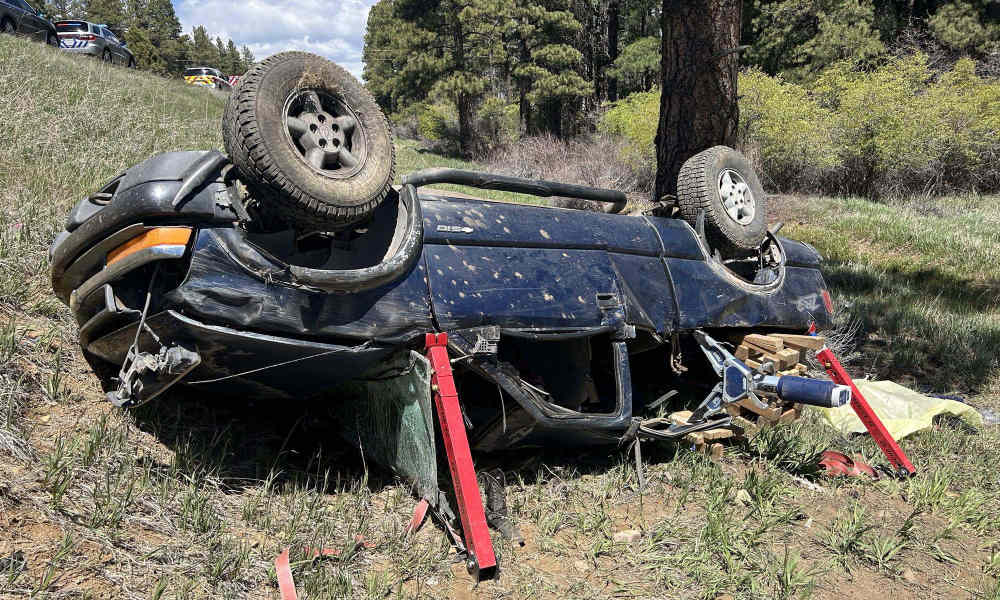
Atlanta, Georgia, is one of the busiest metro areas in the Southeast, with heavy traffic across Interstate 285, the Downtown Connector, and dozens of high-volume surface streets. According to the Georgia Governor’s Office of Highway Safety, Fulton County recorded 51,572 crashes in 2024, with 944 suspected serious injuries and 93 fatalities. Crash investigations now depend on records that many people never notice. Phones, vehicles, roadside cameras, toll readers, and navigation tools may capture speed, braking, location, distraction, lane changes, or timing.
Those details can separate memory from measurable fact. Yet data often disappears through overwriting, repairs, updates, or routine deletion. Seeking legal help after a car accident early can protect the record, support fair fault analysis, and help connect injuries, property damage, lost income, and daily limits to the collision.
Data Can Disappear Fast
After a serious collision, families may be handling emergency care, rental plans, insurance calls, and pain all at once. Early legal action can preserve phone records, vehicle data, traffic video, and app histories before routine deletion. Those materials may clarify conduct, timing, injuries, and the practical disruption left behind.
Vehicles Store Key Facts
Newer vehicles may record speed, brake pressure, steering input, seat belt status, and airbag deployment. Some modules keep only a brief snapshot. Others can overwrite prior events once the car moves again. Prompt inspection matters before towing, repair, sale, or disposal. These records can test driver accounts against impact damage, skid marks, and roadway conditions.
Phones May Show Distraction
Phone evidence may reveal calls, messages, app use, screen activity, and location history near impact. That information can support or weaken claims about attention. The Centers for Disease Control and Prevention notes that phone use behind the wheel kills nine people every day in the United States. Carriers usually require proper legal requests before releasing records. Personal devices should remain secure, since deleted texts, changed settings, or missing hardware can create avoidable disputes about reliability.
Cameras Fill Gaps
Traffic cameras, dash cameras, doorbell systems, and nearby business cameras can capture what witnesses miss. Many systems erase footage within days or weeks. A preservation letter asks the owner to save relevant clips. Video may show signal color, lane position, following distance, weather, visibility, and vehicle movement with far more precision than memory.
Location Data Matters
Navigation apps, rideshare platforms, delivery records, and toll systems may confirm routes or timing. Location evidence can place a vehicle near the scene or show travel speed before impact. These records may also indicate whether a driver was working, carrying passengers, or using an app during the trip. Small facts often affect liability decisions.
Electronic Proof Supports Damages
Evidence does more than address fault. Digital records can document physical harm and financial loss. Medical portals, repair estimates, payroll systems, calendars, and prescription histories may show treatment, missed work, and lasting limits. Photos or videos can preserve bruising, mobility problems, vehicle damage, and recovery progress. Organized materials help connect losses to the crash.
Preservation Requires Care
Electronic evidence should be collected through lawful, reliable methods. Accessing another person’s device or account can create serious problems. Attorneys, investigators, and qualified experts can send preservation notices, request records, and protect chain of custody. Careful handling helps keep proof credible during settlement talks, insurance review, or court proceedings.
Chain of Custody
Chain of custody records who collected, stored, copied, and reviewed each item. That log helps show data remained unchanged. Without it, an insurer may question accuracy. Clean handling is especially important for vehicle downloads, surveillance files, phone extractions, and cloud records.
Metadata
Metadata may show creation dates, edit history, device type, and location details. A screenshot can strip away some of that information. Original files usually carry greater value than copied images. Preserving source material helps experts evaluate timing and authenticity.
Insurers Review Details Closely
Adjusters compare statements, photos, medical records, repair bills, and available electronic proof. Missing materials can make a valid claim harder to explain. Strong records may reduce disputes about speed, distraction, injury timing, or property damage. A clear evidence file leaves less room for assumptions and helps decision-makers focus on facts.
Delay Can Hurt Claims
Waiting creates practical problems. Vehicles get repaired. Phones update. Cameras overwrite footage. Witnesses delete files. Businesses replace storage systems. Cloud accounts may purge old records. Each delay can narrow what remains available. Quick preservation does not guarantee an outcome, but it improves the chance that important facts survive.
Conclusion
Electronic evidence can turn a confusing crash into a clearer, more reliable record. Vehicle data, phone activity, video footage, location history, and digital documents may answer questions that memory cannot. Because many records vanish quickly, preservation should begin as soon as practical. Careful collection protects accuracy, supports accountability, and presents losses in a way insurers, lawyers, and courts can evaluate with confidence.


How Does Cost of Living Affect Alimony in 2026

Why Satellite Navigation Is a Vital Element Built into Luxury Yachts

Minnesota lawmaker’s killer sentenced to 2 life terms plus 40 years

Ex-West Virginia jail guard pleads guilty for beating inmates in camera blind spots
-

 World1 day ago
Houthis claim missile and drone attacks on 2 Saudi oil tankers in Red Sea
-

 Legal1 day ago
2 Indianapolis police officers shot during disturbance call
-

 World1 day ago
Journalist shot dead in Mexico after blaming state government for death threats
-

 Legal1 day ago
Puerto Rico man charged over threats to bomb White House, attack soldiers and Jewish people
-

 Legal1 week ago
Muslim mall worker critically injured in stabbing over his religion
-

 World1 day ago
Mexican mayor shot dead inside city hall
-

 World2 days ago
Death toll from Guyana ferry disaster rises to 53
-

 US News2 days ago
All 4 U.S. soldiers killed in Jordan and Iraq identified