
Reviews
Buying Property in Greece: A Guide for European Residents

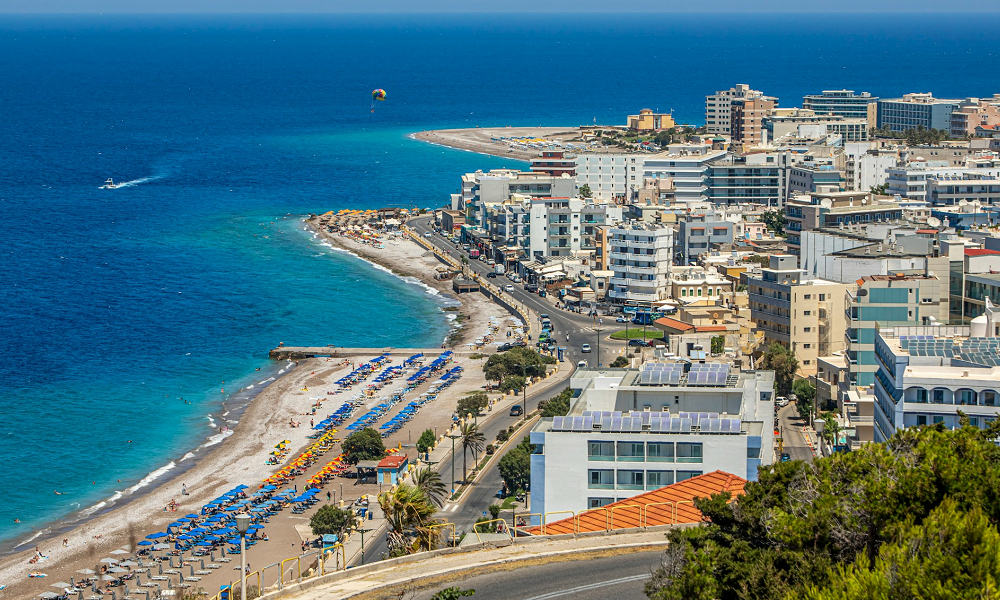
Greece has emerged as one of Europe’s most attractive property markets, combining Mediterranean lifestyle with competitive pricing and solid investment potential. As of December 2025, the market shows strong momentum, with property prices rising 10.4% year-on-year according to Bank of Greece data. For European buyers, Greece offers accessible entry points, whether seeking a holiday home, permanent residence, or investment opportunity. The Greek golden visa program has made the country particularly appealing for international buyers seeking European residency through real estate investment, with the added benefit of EU residency rights.
Market Overview and Pricing
The average property price across Greece stands at €2,600 per square metre, though regional variations are significant. In Athens, prices surged 11.8% in the past year, with a three-bedroom apartment in the city centre typically costing around €220,000. The Athens Riviera, benefiting from the massive Ellinikon urban regeneration project, saw even faster growth at 10.9%.
Thessaloniki, Greece’s second-largest city, posted remarkable gains of 12.1% in 2024 and over 83% since 2019. The city offers attractive rental yields up to 9%, making it particularly appealing for income-focused investors. Meanwhile, Crete remains the most popular island destination, with average prices at €1,900 per square metre, though premium coastal villas command around €4,200 per square metre.
The market’s strength is driven primarily by foreign investment. In 2024, international buyers accounted for 80-85% of all transactions, purchasing property worth €2.75 billion. This sustained demand, combined with tourism recovery and infrastructure improvements, supports continued price appreciation.
The Golden Visa Programme
Greece’s residency-by-investment programme underwent significant changes in 2024, introducing a tiered system based on location. Properties in high-demand areas including central Athens, Thessaloniki, Mykonos, and Santorini now require a minimum investment of €800,000. In other regions, the threshold is €400,000. Both tiers mandate a minimum property size of 120 square metres and prohibit short-term rentals.
However, a special €250,000 option remains available for properties requiring full renovation or conversion from commercial to residential use. This applies across all regions and offers the most accessible entry point to the programme.
The Golden Visa grants a five-year renewable residence permit with no mandatory stay requirements. Holders enjoy visa-free travel throughout the Schengen Area and can include their spouse, children under 21, and both sets of parents in a single application. After seven years of actual residence (183 days annually), citizenship becomes available through naturalization.
Despite increased thresholds, the programme continues to attract record applications. In 2024, Greece received 9,407 applications, an 11% increase from 2023. Processing times have dramatically improved, dropping from 18 months to just three months. Chinese nationals represent the largest applicant group at 47.8%, followed by Turkish citizens at 12.2%.
The Buying Process
Purchasing property in Greece follows a structured process requiring professional assistance. European buyers should begin by engaging an English-speaking lawyer specializing in Greek property law. Legal fees typically range from 1-2% of the property value plus VAT, totaling 1.24-2.48%.
The lawyer conducts essential due diligence, verifying ownership, checking for debts or liens, and ensuring all building permits and zoning compliance are in order. Buyers must also obtain a Greek tax number (AFM) and open a local bank account, both necessary for the transaction.
Once due diligence is complete, a preliminary agreement is signed with a deposit of typically 10% securing the property. The final purchase deed is then signed before a notary public, who charges 2% of the property value plus VAT (2.24% total). The notary verifies all documentation, ensures legal compliance, and registers the transaction with the Land Registry.
Total additional costs beyond the purchase price range from 5-11%, including the property transfer tax of 3.09%, notary and legal fees, estate agent commission (typically 2-5%), and land registry fees. New-build properties may instead be subject to 24% VAT, though exemptions are often available.
Investment Returns and Costs
Greece offers attractive rental yields, though returns vary significantly by location and property type. Athens and Thessaloniki deliver gross yields between 4-9% for long-term rentals, while Crete offers 3-5%, rising to 6.8% in coastal and university areas. Thessaloniki stands out with yields approaching 9%, supported by strong student demand and growing business activity.
Short-term holiday rentals can be particularly lucrative in tourist areas, with summer season yields of 5-8% in popular destinations. However, properties acquired under the Golden Visa programme’s main tiers (€400,000 and €800,000 thresholds) are prohibited from short-term letting, an important consideration for investment planning.
Capital appreciation prospects remain positive. The European Banking Authority forecasts 4.4% price growth in 2025, with average annual increases of 2.5-3.4% through 2027. This represents a gradual stabilization following the rapid 2022-2024 appreciation period.
Annual property ownership costs are relatively modest. The unified property tax (ENFIA) is calculated based on location, size, age, and characteristics, typically ranging from €2-13 per square metre annually. Utility costs for a city apartment average €700-1,800 per year, while coastal villas may require €2,000-5,000 annually. Rental income is taxed at progressive rates from 15-45%, though standard deductions of 40% for expenses and 10% for depreciation apply.
Regional Considerations for Europeans
For permanent residence, Athens provides excellent international schools, modern healthcare, and direct flights to major European cities. The established expat community and thriving business environment make integration straightforward. Thessaloniki offers similar amenities at lower costs with a more relaxed pace.
Crete appeals to those seeking year-round mild climate and well-developed infrastructure while maintaining authentic Greek character. The island has active expat communities in Chania, Rethymno, and Heraklion, with international schools available in larger cities.
Most Popular Locations for European Buyers:
For investment properties with high rental yields:
- Thessaloniki city centre – yields up to 9%
- Athens neighbourhoods (Kolonaki, Exarchia) – 5-7% returns
- Crete university towns (Heraklion, Rethymno) – 5-6% yields
- Rhodes tourist zones (Lindos, Faliraki) – seasonal yields 6-8%
For holiday homes and lifestyle purchases:
- Athens Riviera (Glyfada, Vouliagmeni, Varkiza) – beach lifestyle near international airport
- Cyclades islands (Mykonos, Santorini, Paros, Naxos) – iconic Mediterranean experience
- Ionian islands (Corfu, Zakynthos, Kefalonia) – lush landscapes, Western influences
- Peloponnese coastal towns (Nafplio, Monemvasia, Porto Heli) – authentic character, lower prices
The Greek islands remain popular for holiday homes, with the Cyclades and Dodecanese offering diverse options. The Athens Riviera provides an appealing compromise, combining beach lifestyle with proximity to the international airport and city amenities.
Advantages for EU Citizens
European Union citizens enjoy simplified procedures when buying Greek property. No Golden Visa is required for residence, as EU law guarantees freedom of movement and settlement. This eliminates visa costs and application processes while providing full property ownership rights on equal terms with Greek nationals.
Geographic proximity makes Greece easily accessible from most European cities, with short, affordable flights facilitating both property viewings and regular visits. The country’s EU membership ensures familiar legal frameworks and consumer protections, while the euro eliminates currency risk for Eurozone residents.
Greece’s lower cost of living compared to Northern and Western Europe extends beyond property prices to daily expenses, healthcare, and leisure activities. The Mediterranean climate, with over 300 days of sunshine annually, proves particularly attractive to Northern Europeans, while the relaxed lifestyle and excellent cuisine enhance quality of life.
Greece vs Other European Property Markets:
Investment comparison (minimum amounts):
- Greece Golden Visa: €250,000-€800,000 depending on location
- Spain Golden Visa: €500,000 minimum investment
- Portugal Golden Visa: Suspended for most property investments
- Italy Investor Visa: €500,000 plus additional requirements
- Cyprus Permanent Residence: €300,000 minimum
Average property prices per square metre:
- Greece: €2,600 (highly variable by region)
- Spain: €1,800-€2,500 (coastal areas significantly higher)
- Portugal: €2,000-€4,000 (Lisbon and Porto premium prices)
- Italy: €1,900-€3,500 (northern cities more expensive)
- Cyprus: €1,500-€3,000 (depending on location)
Greece stands out for combining lower entry costs with no mandatory residence requirements and the ability to include three generations of family members in a single Golden Visa application.
Challenges and Considerations
Prospective buyers should be aware of potential complications. Greece’s land registry remains incomplete in some areas, occasionally creating boundary or ownership uncertainties. The bureaucratic system can be slow and complex, making professional legal assistance essential rather than optional. While English is widely spoken in tourist areas and major cities, the language barrier can complicate interactions with local authorities.
Properties acquired under Golden Visa tiers one and two face restrictions on short-term rentals, limiting income potential for tourist-area investments. The rental yield compression observed in recent years, with prices rising faster than rents, has reduced returns compared to earlier periods.
Property maintenance costs can be higher for island or remote properties, and distance management requires reliable local contacts. Renovation projects may encounter permit complications, and the Greek tax system’s complexity with numerous exceptions makes professional tax advice valuable.
Market Outlook
Real estate professionals remain optimistic about Greece’s property market. According to Cerved survey data, 57% expect demand to continue outpacing supply, while 41% anticipate increased transaction volumes. Construction activity supports this outlook, with building permits increasing 14.91% in 2024.
The continuation of major infrastructure projects, including the Ellinikon development and transport network upgrades, provides confidence in sustained growth. Greece’s strategic location connecting Europe, Asia, and Africa enhances its appeal as both a residential and investment destination.
Tourism patterns are evolving toward year-round activity and sustainable development, reducing seasonality concerns. The growing remote work trend has positioned Greece as an attractive base for digital nomads, creating demand beyond traditional tourist or retirement demographics.
Essential Checklist for Property Buyers
Before Making an Offer:
- Visit the property at least twice, including the surrounding neighbourhood
- Research local amenities, transport connections, and future development plans
- Verify property boundaries match official documentation
- Check building permits and ensure all construction is legal
- Obtain independent property valuation
- Review community fees and annual running costs
During the Purchase Process:
- Hire an independent, English-speaking lawyer (not provided by the seller)
- Open a Greek bank account and obtain AFM tax number
- Request an updated land registry extract
- Verify all utility connections are legal and functioning
- Ensure energy performance certificate is current
- Check for any outstanding debts, taxes, or liens on the property
After Completing the Purchase:
- Register for annual property tax (ENFIA)
- Arrange property and liability insurance
- Set up utility accounts in your name
- Keep all purchase documents securely stored
- If planning to rent, understand tax obligations and licensing requirements
- Establish relationship with reliable local property manager or maintenance contacts
Conclusion
Greece in 2025 presents compelling opportunities for European property buyers across diverse objectives and budgets. The market demonstrates solid fundamentals with consistent growth, manageable risks, and multiple entry points from €250,000 to premium segments.
For EU citizens, the straightforward process without visa complications makes property acquisition accessible. For other European residents, the Golden Visa programme, despite recent increases, remains among Europe’s most flexible residency options. Whether seeking Mediterranean lifestyle, investment returns, or European residence rights, Greece delivers varied possibilities within a welcoming, culturally rich environment.
Success requires thorough research, professional guidance, realistic budgeting, and careful alignment of property selection with personal objectives. With proper preparation and expert assistance, buying Greek property can provide both lifestyle enhancement and sound investment within Europe’s diverse property landscape.


12-year-old, relative drown in Virginia pond during rescue attempt

3 women killed, over 30 injured in fireworks explosion in Mexico

1 dead, 6 injured in shooting at large party near Morgan Hill, California

Couple identified after family of 8 found dead in suspected Michigan murder-suicide
-
 Legal15 hours ago
Couple identified after family of 8 found dead in suspected Michigan murder-suicide
-

 World2 days ago
NATO intern arrested in Belgium over suspected espionage
-

 World5 days ago
Houthis claim missile and drone attacks on 2 Saudi oil tankers in Red Sea
-

 Politics4 days ago
U.S. sanctions new CJNG leader, more than 50 people and companies
-

 US News5 days ago
All 4 U.S. soldiers killed in Jordan and Iraq identified
-

 Legal4 days ago
2 Indianapolis police officers shot during disturbance call
-

 World6 days ago
Death toll from Guyana ferry disaster rises to 53
-

 Legal4 days ago
Puerto Rico man charged over threats to bomb White House, attack soldiers and Jewish people