
Reviews
Essential Two-Way Radio Features That Matter Most for Reliability and Safety

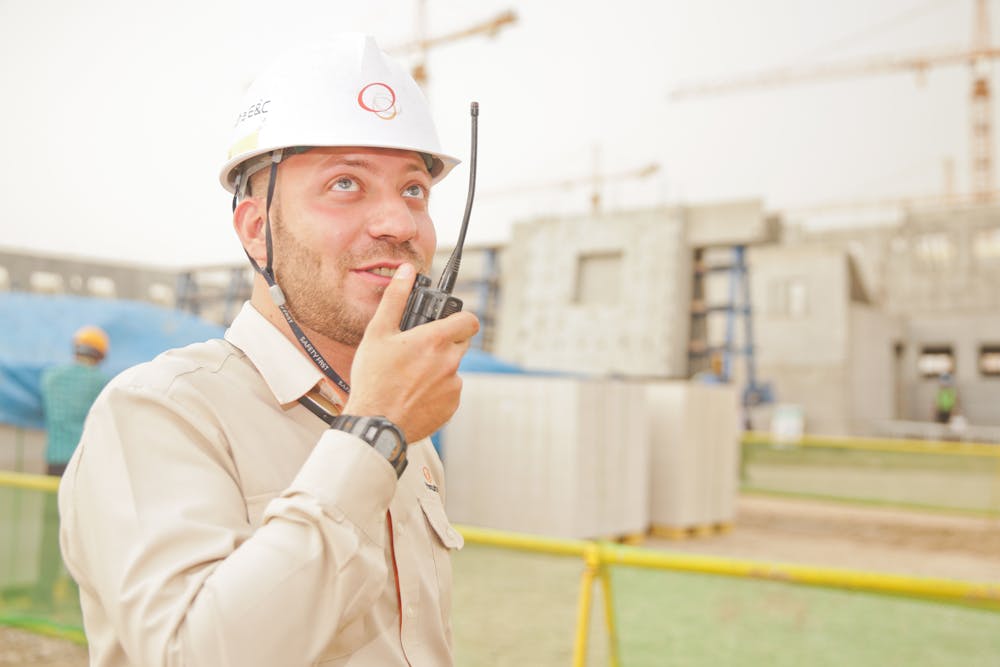
You don’t notice your radio—until it saves your butt.
One minute you’re dealing with a rowdy crowd, a power outage, or a missing person report. The next? You reach for your lifeline: the two-way radio clipped to your vest.
You press the button. Clarity. Instant connection. Problem solved.
Or… not. Maybe your radio dies mid-shift. Maybe the message cuts out. Maybe the range was “technically” a lie. In high-stakes environments, that’s not just frustrating—it’s dangerous.
Let’s fix that.
Here are the features that actually matter when reliability and safety are on the line.
1. Instant Push-to-Talk (PTT)
Because “real-time” shouldn’t have a loading bar.
No dialing. No ringing. No delay.
With a proper two-way radio, communication is as fast as your finger. One press, and your entire team hears you. When seconds count—during emergencies, evacuations, or security alerts—nothing beats PTT for speed.
If your device takes more than one second to connect, you’re using the wrong tool.
2. Long Battery Life
12-hour shift? The radio better still be alive at the end of it.
Battery failure is one of the most common (and annoying) weak points in unreliable radios. A dead radio isn’t just useless—it’s a safety risk.
Look for:
- At least 12–18 hours of continuous use on a single charge
- Fast charging or hot-swappable battery options
- Battery level alerts so no one is caught off guard
You shouldn’t be babysitting your comms equipment with charging cables halfway through the day.
3. Extended Range (That Actually Delivers)
It’s not “nationwide” if you can’t hear your teammate in the next building.
Plenty of radios promise big numbers—miles of range! crystal-clear audio!—and then fall apart in real-world conditions like concrete walls, dense structures, or crowded venues.
What matters:
- Performance indoors, not just on open ground
- Clear reception across multi-floor facilities
- Reliable signal in urban or remote environments
Ask yourself: “Will this reach the back warehouse or parking lot during an emergency?” If the answer isn’t a hard yes, it’s a hard pass.
4. Emergency Alert Features
Because yelling isn’t always an option.
In dangerous or high-stress moments, your team needs a way to signal trouble instantly—even if they can’t talk.
Look for radios with:
- Dedicated emergency buttons
- Man-down alerts (automatic signals if the user is inactive or falls)
- Lone worker monitoring for isolated staff
- Audible alerts or silent ping options
Safety features aren’t luxury add-ons. They’re lifesavers—especially for security, healthcare, and industrial teams.
5. Durability and Weather Resistance
Your radio should outlast your worst day.
Drops happen. So does rain, dust, snow, sweat, and occasional rage-tossing.
Reliable radios come with:
- Shockproof, drop-tested bodies
- Water and dust resistance (IP-rated)
- Reinforced push-to-talk buttons that don’t wear out under heavy use
A fragile radio is just waiting to fail when you need it most.
6. Channel Control and Privacy Options
Not everyone needs to hear everything.
Good two-way radios let you:
- Switch channels quickly for task-specific teams
- Lock channels to avoid accidental interference
- Use encrypted or private channels for sensitive communication
Because “all staff” chatter doesn’t need to include maintenance reporting a leaky pipe while security’s managing a lost child.
7. Clear, Loud Audio Quality
If you can’t hear it, what’s the point?
Background noise is part of the job—crowds, alarms, engines. Your radio should cut through all of it.
Look for:
- Noise cancellation
- High-wattage speakers
- Volume controls that don’t max out at “barely audible”
Communication should be crisp. Always. Even at a rock concert.
Final Word: Fancy Doesn’t Equal Functional
You don’t need a million features. You need the right ones. The kind that work in the rain, at full volume, after 14 hours on your belt.
A good two-way radio isn’t about hype—it’s about trust. When it matters most, will yours work?
Because “can you repeat that?” shouldn’t be your most-used phrase during an emergency.


12-year-old, relative drown in Virginia pond during rescue attempt

3 women killed, over 30 injured in fireworks explosion in Mexico

1 dead, 6 injured in shooting at large party near Morgan Hill, California

Couple identified after family of 8 found dead in suspected Michigan murder-suicide
-
 Legal15 hours ago
Couple identified after family of 8 found dead in suspected Michigan murder-suicide
-
 World2 days ago
NATO intern arrested in Belgium over suspected espionage
-
 World5 days ago
Houthis claim missile and drone attacks on 2 Saudi oil tankers in Red Sea
-
 Politics4 days ago
U.S. sanctions new CJNG leader, more than 50 people and companies
-

 US News5 days ago
All 4 U.S. soldiers killed in Jordan and Iraq identified
-
 Legal4 days ago
2 Indianapolis police officers shot during disturbance call
-

 World6 days ago
Death toll from Guyana ferry disaster rises to 53
-

 Legal4 days ago
Puerto Rico man charged over threats to bomb White House, attack soldiers and Jewish people