
Reviews
Practical Ways to Improve Facility Design for Better Outcomes

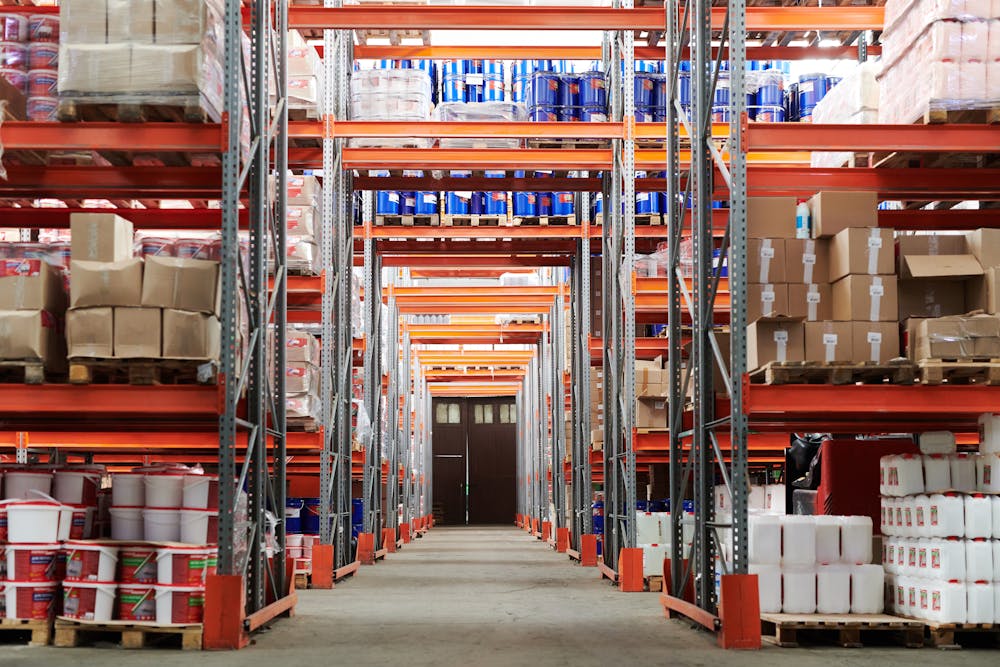
Facility design shapes how employees work, collaborate, and navigate their environment each day. Every layout decision, from circulation paths to material choices, influences daily productivity and overall comfort. Thoughtful design strengthens workflow, reduces interruptions, and fosters a more organized, professional environment. Poorly planned spaces, on the other hand, create friction, inefficiencies, and preventable stress that limit both focus and output. Companies that approach facility design strategically gain a measurable advantage in performance and employee satisfaction. Facility design is not merely an aesthetic choice; it is a core operational decision that directly affects how efficiently teams function and how positively employees experience their daily work.
Understanding the link between design choices and workplace efficiency
Every design decision has a direct effect on workflow. Clear pathways allow employees to move without confusion or delay. Misaligned furniture, obstructed corridors, and poorly placed resources create unnecessary friction that interrupts task completion. Employees spend energy navigating avoidable obstacles, which reduces focus on core responsibilities and leads to frustration. Over time, even minor inefficiencies can accumulate, slowing operations and lowering overall productivity metrics.
Well-structured spaces allow teams to operate predictably. Employees can anticipate movement patterns, access resources efficiently, and coordinate effectively with colleagues. This reduces wasted effort and supports more consistent performance. Operational efficiency improves when every area of the facility is intentionally planned to align with workflow needs. In addition, predictable layouts help new employees adapt more quickly because they can learn the environment intuitively, further minimizing onboarding friction and enhancing early productivity.
How functional zoning strengthens operations
Functional zoning separates areas based on specific activities, which reduces conflicts and distractions. Quiet zones, collaborative areas, and resource-intensive sections benefit from clearly defined boundaries. Employees understand where to work without interfering with others, which supports stronger concentration and fewer interruptions.
Zoning also minimizes noise and congestion. Staff can perform demanding tasks in designated quiet spaces, while active or collaborative areas remain accessible without causing disruption. Proper zoning improves the overall rhythm of the workday, ensuring that multiple teams operate efficiently within the same footprint. These practical considerations make daily operations smoother and more predictable. Additionally, zoning supports effective supervision by making it easier for managers to monitor productivity and address bottlenecks in high-traffic areas.
Infrastructure quality and durable components
Strong infrastructure and durable materials are critical to maintaining a reliable workplace. Fixtures that withstand heavy use reduce the frequency of repairs and minimize operational interruptions. Employees work more confidently when they know the environment will support consistent performance without unexpected failures.
Prioritizing durable interior components is key to maintaining workplace stability. Utilizing high-quality materials, structural fixtures, and thoughtfully designed spaces enhances both operational effectiveness and employee well-being. For instance, collaborating with reliable providers like ASI Global Partitions for restroom facilities ensures organizational consistency and an unimpeded workflow. Choosing robust materials that withstand daily usage guarantees smoother operations and minimizes the disruption associated with constant repairs or replacements. A consistent, well-maintained workspace that is free from frequent breakdowns or damaged components naturally boosts employee morale, fostering a sense of security and respect for the environment.
Practical layout improvements that support daily performance
Optimizing traffic patterns is a simple yet highly effective improvement for workplace efficiency. Clear and direct pathways prevent congestion during busy periods and allow employees to move smoothly between workstations. Strategic placement of equipment and storage further supports efficient routines.
Adjustments to lighting, spacing, and workstation organization also enhance focus. Even small improvements, such as aligning desks with natural light or reducing clutter in high-traffic zones, significantly reduce mental fatigue. When employees can concentrate without distraction, both individual and team performance improve. Efficient layouts also minimize the risk of accidents or near misses, reinforcing safety as a cultural and operational priority across the organization.
Maintenance planning as part of design strategy
Proactive maintenance preserves design quality and reduces workflow interruptions. Routine inspections, scheduled repairs, and preventive upgrades ensure that infrastructure continues to perform reliably. Facilities that neglect maintenance risk frequent disruptions that frustrate employees and interrupt operational continuity.
Integrating maintenance planning into the overall design strategy reinforces workplace stability. Teams gain confidence knowing that spaces are dependable, clean, and well-functioning. Maintenance planning is not only about preventing failures; it also demonstrates organizational commitment to creating an environment that supports staff productivity and well-being. Predictable maintenance schedules contribute to employee trust, signaling that leadership values their experience and the environment they depend on every day.
Why facility design influences financial performance
Effective facility design delivers measurable financial benefits. Efficient layouts reduce wasted labor, lower operational downtime, and prevent unnecessary repairs. Employees spend more time on value-generating tasks when design removes inefficiencies. Poor design, conversely, increases indirect costs by requiring additional staff attention, workarounds, or frequent adjustments to workflows.
Strategic facility investments also support broader business objectives. Organizations that align interior improvements with growth plans and operational needs create environments capable of adapting as demands evolve. Smarter investments not only enhance immediate performance but also contribute to sustainable growth, ensuring that resources are used efficiently while supporting the long-term trajectory of the business. Sound design choices reduce recurring operational costs and increase the overall return on investment, demonstrating the tangible impact of thoughtful facility planning.
Steps for leaders to improve design standards across their organization
Facility optimization begins with evaluation. Leaders should assess how employees move, interact, and access resources during typical workflows. Identifying areas of congestion, distraction, or discomfort provides a clear roadmap for practical improvements.
Next, prioritize high-impact changes that support operational flow and employee comfort. Rearrange workstations for better circulation, improve lighting and ventilation, and ensure that shared resources are easy to access. Durable, high-quality materials should be incorporated to minimize maintenance needs and reduce disruptions over time. Leaders should also consider integrating flexible spaces to accommodate evolving team sizes or operational requirements.
Finally, implement ongoing review and feedback, as employees can offer valuable insight into how well design improvements support daily routines. Regularly revisiting layouts, workflows, and infrastructure ensures the facility continues to meet evolving operational requirements. By combining observation, feedback, and strategic adjustments, leaders create a resilient and productive environment that adapts without compromising performance or employee satisfaction.
Conclusion
Practical facility design improvements enhance employee performance, comfort, and overall organizational efficiency. By focusing on functional zoning, durable materials, optimized layouts, and proactive maintenance, companies strengthen daily operations while reducing unnecessary stress and interruptions. Thoughtful design decisions also support measurable financial outcomes, operational reliability, and sustainable growth. Facilities that prioritize strategic, practical improvements create environments where employees work more efficiently, collaborate effectively, and contribute to stronger business results. Effective facility design is therefore a critical driver of both operational success and long-term organizational resilience.


12-year-old, relative drown in Virginia pond during rescue attempt

3 women killed, over 30 injured in fireworks explosion in Mexico

1 dead, 6 injured in shooting at large party near Morgan Hill, California

Couple identified after family of 8 found dead in suspected Michigan murder-suicide
-
 Legal15 hours ago
Couple identified after family of 8 found dead in suspected Michigan murder-suicide
-

 World2 days ago
NATO intern arrested in Belgium over suspected espionage
-

 World5 days ago
Houthis claim missile and drone attacks on 2 Saudi oil tankers in Red Sea
-

 Politics4 days ago
U.S. sanctions new CJNG leader, more than 50 people and companies
-

 US News5 days ago
All 4 U.S. soldiers killed in Jordan and Iraq identified
-

 Legal4 days ago
2 Indianapolis police officers shot during disturbance call
-

 World6 days ago
Death toll from Guyana ferry disaster rises to 53
-
 Legal4 days ago
Puerto Rico man charged over threats to bomb White House, attack soldiers and Jewish people