
Reviews
Workforce Shortages Increase Demand for Skilled Medical Sonographers

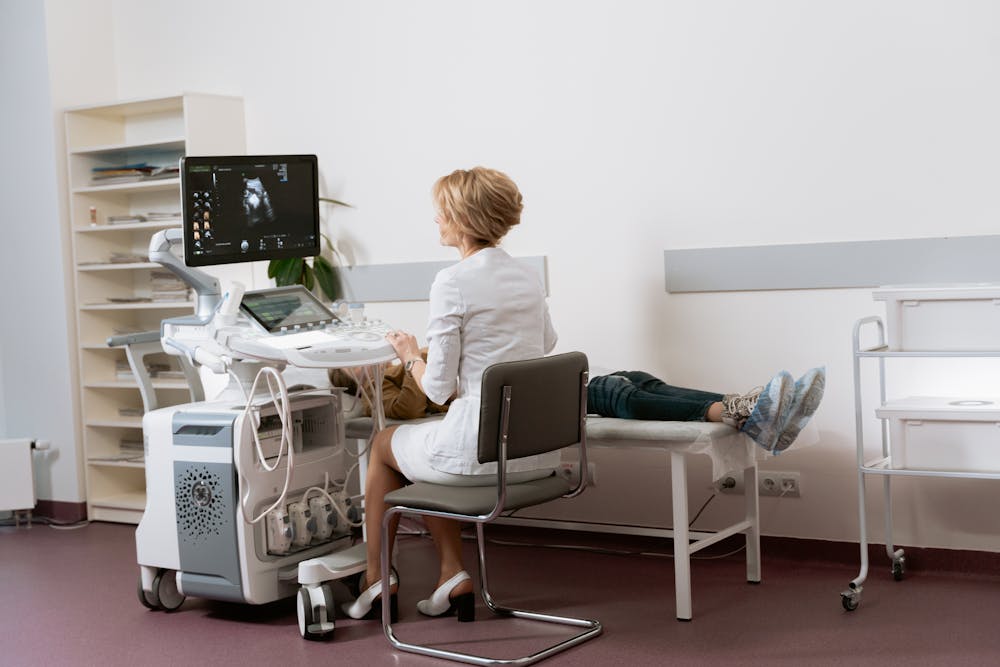
Healthcare systems everywhere are feeling the squeeze as staff shortages collide with rising patient needs. One role under particular pressure is the medical sonographer, a key player in diagnostic imaging.
As hospitals and clinics search for solutions, the demand for trained sonographers keeps climbing.
Understanding Diagnostic Medical Sonography
So, what is diagnostic medical sonography? Simply put, it is a non-invasive medical imaging technique used to create images of organs, tissues, and blood flow.
It is a central tool in modern healthcare because it offers real-time insights without using ionizing radiation, making it a safer option for many patients.
Many people first think of pregnancy ultrasounds, but sonographers support cardiology, emergency care, oncology, orthopedics, and more.
Why the Demand for Skilled Medical Sonographers Is Rising
Vacancy rates across imaging roles have been climbing, which adds pressure on health systems to recruit and train more qualified sonographers.
The need for skilled sonographers is not just a staffing issue. It is tied to larger trends across healthcare, as:
- More patients need imaging.
- Aging populations require ongoing monitoring.
- Hospitals rely on ultrasound for fast, radiation-free diagnostics.
In a report by Radiology Business, experts highlight that multiple imaging specialties face rising shortages, making sonographers especially valuable as flexible, cross-trained team members.
How Shortages Impact Patient Care
Workforce shortages in sonography affect everything from wait times to diagnostic accuracy.
When facilities are understaffed, appointments can back up quickly. This creates delays for patients who need answers fast, whether for prenatal checks or urgent cardiac studies.
Imaging backlogs grow when staffing cannot keep pace with rising imaging demand, and sonography is one of the hardest hit areas.
The Push for More Training Programs
To meet rising demand, schools, governments, and healthcare employers are expanding training opportunities.
More students are exploring careers in diagnostic imaging because it offers strong job security and the chance to make a direct impact on patient care.
Programs are modernizing their equipment, updating curricula, and partnering with hospitals to offer hands-on experience.
What This Means for Future Sonographers
For anyone considering the field, the current landscape offers promising long-term career stability.
As imaging technology advances, skilled sonographers will continue to be essential in many specialties.
Hospitals will keep looking for new graduates who are comfortable with digital workflows and adaptable to new clinical settings.
The Bottom Line
Across healthcare, the need for sonographers keeps growing, and the shortage shows no signs of slowing. For students, career changers, and working professionals, now is an ideal moment to explore this path.
The field blends technology, patient interaction, and problem-solving in a way few roles can match.
As imaging expands into new specialties and clinics adopt more advanced tools, skilled sonographers will continue to play a vital role in patient outcomes.
If you want a career with stability, purpose, and room to grow, sonography is worth a closer look.
Keeping an eye on how roles like sonography continue to evolve can help you make informed, confident decisions about your future.


12-year-old, relative drown in Virginia pond during rescue attempt

3 women killed, over 30 injured in fireworks explosion in Mexico

1 dead, 6 injured in shooting at large party near Morgan Hill, California

Couple identified after family of 8 found dead in suspected Michigan murder-suicide
-
 Legal14 hours ago
Couple identified after family of 8 found dead in suspected Michigan murder-suicide
-

 World1 day ago
NATO intern arrested in Belgium over suspected espionage
-

 World5 days ago
Houthis claim missile and drone attacks on 2 Saudi oil tankers in Red Sea
-

 Politics4 days ago
U.S. sanctions new CJNG leader, more than 50 people and companies
-

 US News5 days ago
All 4 U.S. soldiers killed in Jordan and Iraq identified
-

 Legal4 days ago
2 Indianapolis police officers shot during disturbance call
-

 World5 days ago
Death toll from Guyana ferry disaster rises to 53
-

 Legal4 days ago
Puerto Rico man charged over threats to bomb White House, attack soldiers and Jewish people