
Reviews
Positive changes to make to your office environment


Creating a positive office environment is essential for boosting employee wellbeing, productivity, and retention. Small yet strategic changes, such as improving lighting, incorporating natural elements, and rethinking layout, can have an impact on morale and performance. A well-designed workspace promotes collaboration, reduces stress, and reflects company values. Whether you’re refreshing a corporate headquarters or a small business office, thoughtful upgrades like ergonomic furniture, greenery, and even aesthetic touches such as white internal doors that brighten spaces can change the atmosphere.
1. Embrace Natural Light and Greenery
Natural light and biophilic design elements like plants can improve mood, reduce stress, and improve productivity. According to PageThink research, incorporating natural elements into workspaces drives measurable improvements in employee wellbeing and output. Maximise window access by arranging desks to capture daylight, removing heavy curtains that block illumination, and keeping window areas clear of clutter. Where natural light proves limited, full-spectrum LED lighting that mimics daylight reduces eye strain and maintains energy levels throughout winter months. Adding plants throughout the office, from desk succulents to larger floor plants, improves air quality whilst creating calming visual focal points. The RHS workplace gardening guidance highlights that even modest greenery delivers psychological benefits, reducing stress markers and improving concentration.
2. Improve Office Layout for Collaboration
A well-planned layout supports both teamwork and focused individual work. According to Robin Powered, the best office layouts accommodate diverse working styles through flexible zones. Consider creating distinct areas: collaborative spaces with comfortable seating for brainstorming sessions, quiet zones for concentration-demanding tasks, and communal areas like kitchens or lounges where informal interactions occur naturally. Hot-desking arrangements suit some businesses, whilst dedicated desks work better for others, such as assessing your team’s actual needs instead of following trends. Movable partitions or modular furniture allow reconfiguring spaces as projects and team sizes change, maintaining flexibility without expensive renovations.
3. Use Colour Strategically to Influence Mood
Colour psychology plays an important part in shaping workplace atmosphere. According to Office Principles, blues and greens promote calmness and focus, making them ideal for concentrated work areas, whilst yellows and reds energise and inspire, suiting creative spaces or meeting rooms. Neutral tones like whites and greys create clean, professional backdrops without overwhelming visual clutter. Even subtle changes like painting feature walls, updating door colours, or adding coloured artwork can refresh tired offices without complete overhauls.
4. Create Comfortable and Quiet Spaces
Providing ergonomic furniture and quiet zones helps employees recharge and concentrate, especially in open-plan offices where noise and distractions accumulate. Invest in adjustable chairs supporting proper posture, height-adjustable desks allowing movement throughout the day, and adequate desk space accommodating multiple monitors without cramping. Designate specific quiet areas with “no conversation” policies, sound-absorbing materials, and comfortable seating where staff can retreat for focused work or brief respite from office bustle.
Thoughtful office improvements don’t need enormous budgets. Strategic changes prioritising natural elements, flexible layouts, psychological colour impacts, and employee comfort create workspaces that actively support productivity, wellbeing, and job satisfaction.


12-year-old, relative drown in Virginia pond during rescue attempt

3 women killed, over 30 injured in fireworks explosion in Mexico

1 dead, 6 injured in shooting at large party near Morgan Hill, California

Couple identified after family of 8 found dead in suspected Michigan murder-suicide
-
 Legal14 hours ago
Couple identified after family of 8 found dead in suspected Michigan murder-suicide
-

 World1 day ago
NATO intern arrested in Belgium over suspected espionage
-

 World5 days ago
Houthis claim missile and drone attacks on 2 Saudi oil tankers in Red Sea
-

 Politics4 days ago
U.S. sanctions new CJNG leader, more than 50 people and companies
-

 US News5 days ago
All 4 U.S. soldiers killed in Jordan and Iraq identified
-

 Legal4 days ago
2 Indianapolis police officers shot during disturbance call
-

 World5 days ago
Death toll from Guyana ferry disaster rises to 53
-
 Legal4 days ago
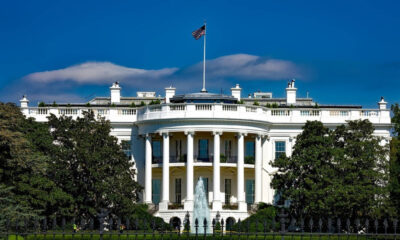
Puerto Rico man charged over threats to bomb White House, attack soldiers and Jewish people