
Reviews
Report: Small Service Businesses Lose Thousands Annually to Manual Scheduling Gaps

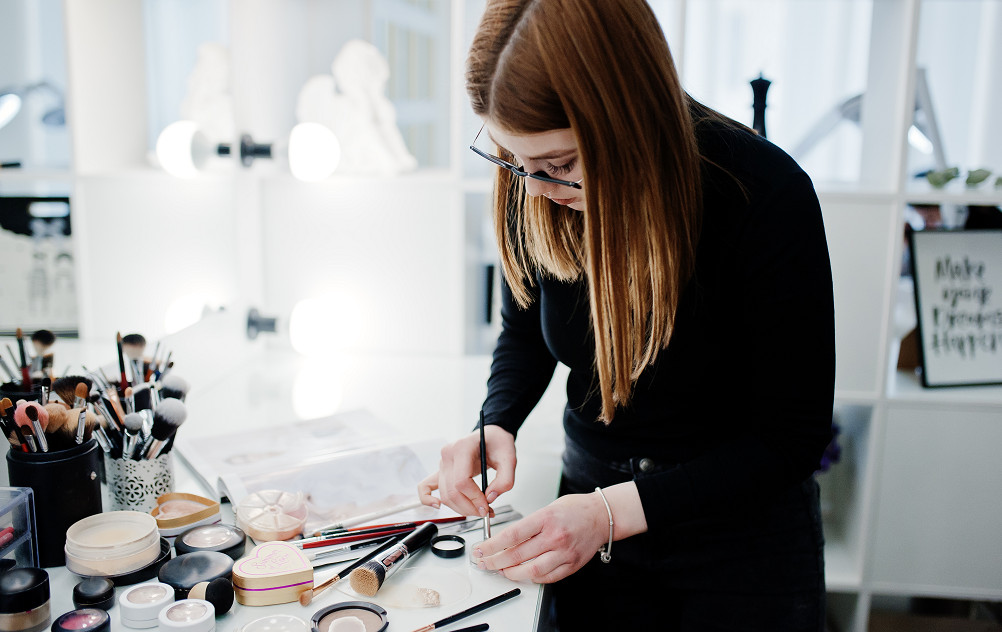
Small service businesses — hair salons, barbershops, nail salons, estheticians, and massage therapists — run on appointments. When those appointments are managed manually, through phone calls, paper logs, or disconnected spreadsheets, revenue slips through predictable cracks: clients forget, slots go unfilled, and double bookings damage trust. Industry data shows a typical solo practitioner can lose tens of thousands of dollars annually from scheduling inefficiencies alone.
In this guide, we’ll break down where those losses come from, what causes them at a structural level, and what beauty businesses can do to close the gap.
TL;DR:
- Manual scheduling causes three compounding losses: no-shows, double bookings, and unproductive admin time that together cost small beauty businesses thousands per year
- No-show rates average 10% to 25% across beauty industries, with a solo practitioner potentially losing over $31,000 annually from missed appointments alone
- Hair salon software like Booksy Biz reduces no-show rates by 30% to 50% through automated SMS and email reminders, real-time calendar sync, and 24/7 self-booking
- Businesses that switch to automated scheduling save an average of $50,000 annually according to a 2024 Deloitte study, making the ROI measurable within months
The Real Cost of No-Shows
No-shows are the single largest scheduling-related revenue loss for small beauty businesses. A salon with 25 weekly appointments at $65 each and a 15% no-show rate loses over $31,000 per year. A nail technician with a 15% no-show rate and 20 weekly appointments at $45 loses over $7,000 per year. These slots cannot be recovered once the time passes.
Industry no-show rates range from 12% in dental offices to 20% among personal trainers. The average across appointment-based beauty businesses sits between 10% and 25%.
Automated reminder systems built into hair salon software like Booksy Biz reduce no-show rates by 30% to 50% by sending SMS and email confirmations before each appointment. Without them, most no-shows happen simply because clients forget.
How Manual Scheduling Creates the Gaps
Manual scheduling relies on human attention at every step — a particular problem in beauty businesses where a single stylist may handle 30 or more appointments per week. One missed phone call, one unsynced calendar, or one unrecorded booking is enough to create a conflict that costs time and money.
The most common failure points include:
- Phone-only booking — clients who call outside business hours leave voicemails or simply book elsewhere
- Disconnected calendars — staff use separate tools that do not update each other, leading to double bookings
- No confirmation system — appointments get booked but clients receive no reminder, increasing no-show likelihood
- Manual rescheduling — cancellations require back-and-forth communication that often ends without a replacement booking
These gaps are not caused by carelessness. They are structural weaknesses in any system that depends on manual input to stay accurate. Barbershops face this acutely — walk-in heavy businesses that do not use the best barber scheduling apps lose bookings to competitors who offer instant online reservations around the clock.
The Hidden Time Tax on Owners
Scheduling takes longer than most beauty business owners account for. A 2025 study found that 68% of small business owners spend over five hours per week managing scheduling and payments. Across a year, that exceeds 260 hours of administrative work.
That time carries a real cost. At a modest $100 per hour owner rate, five weekly hours equals $26,000 in lost productive capacity annually. For a salon owner or solo esthetician, that is billable chair time lost every time they stop a service to answer a booking call.
The tasks that consume this time include:
- Answering booking calls during service hours, interrupting paid work
- Manually confirming appointments via phone or text one by one
- Resolving double bookings and rescheduling conflicts after they occur
- Chasing cancellations and attempting to fill empty slots last minute
Each of these tasks generates no direct revenue and scales poorly as the business grows.
What Automated Scheduling Actually Fixes
Automated scheduling software addresses the specific failure points that manual systems cannot handle consistently. Businesses that switch report measurable outcomes, not just operational convenience. For beauty businesses specifically, self-booking also captures impulse appointment requests that come through Instagram and Google outside business hours.
The core improvements include:
- No-show reduction — automated SMS and email reminders cut missed appointments by 30% to 50%
- 24/7 self-booking — clients book outside business hours without staff involvement, capturing demand that manual systems miss entirely
- Real-time calendar sync — all channels update instantly, eliminating double bookings at the source
- Automatic rescheduling prompts — cancellations trigger immediate slot-fill requests to waitlisted clients
A 2024 Deloitte study estimated that businesses adopting scheduling automation save an average of $50,000 annually. For a solo practitioner losing $31,000 per year to no-shows alone, the return on investment becomes straightforward to calculate.
How to Know If Your Business Has a Scheduling Gap Problem?
Most beauty businesses underestimate their scheduling losses because the costs are spread across missed appointments, wasted admin time, and lost clients who never rebooked. A few concrete indicators signal that manual scheduling is actively costing money.
The clearest warning signs are:
- A no-show rate above 10% with no automated reminder system in place
- Staff regularly interrupted during service hours to answer booking calls
- Double booking incidents occurring more than once per month
- Cancellations that result in unfilled slots rather than rescheduled appointments
- Clients booking through Instagram DMs or phone calls rather than a centralized system
- No visibility into which time slots generate the most revenue or cancellations
Any one of these signals a structural gap. Multiple signs together indicate that the annual revenue loss is likely already in the thousands and growing as appointment volume increases.
Conclusion
Manual scheduling is a revenue problem, not a technology preference. Small beauty businesses lose thousands of dollars annually through a combination of no-shows, unfilled cancellations, double bookings, and hours of unproductive administrative work. These losses are not random — they follow directly from systems that depend on human attention to stay accurate.
The data is consistent across industries. A solo practitioner can lose over $30,000 per year to no-shows alone. Owners spend 260-plus hours annually on scheduling tasks that generate no revenue. Automated systems reduce those losses by measurable amounts, with average annual savings estimated at $50,000.
Service businesses that continue using manual scheduling are not avoiding a cost. They are absorbing one.
FAQs
How much money do small beauty businesses lose to manual scheduling each year?
A typical solo practitioner loses between $15,000 and $200,000 annually depending on appointment volume, average service price, and no-show rate. A salon with 25 weekly appointments at $65 and a 15% no-show rate loses over $31,000 per year in uncaptured revenue alone. Administrative time adds a second layer of loss, with owners spending 260-plus hours annually on scheduling tasks that generate no direct income.
What is the average no-show rate for beauty businesses?
No-show rates range from 12% in dental offices to 20% among personal trainers, with the broader average sitting between 10% and 25% across appointment-based beauty businesses. The primary cause is client forgetfulness rather than intentional cancellation, which is why automated reminders consistently reduce rates by 30% to 50%.
How does automated scheduling software reduce no-shows?
Automated scheduling software sends SMS and email reminders at set intervals before each appointment, typically 48 hours and 2 hours in advance. This approach reduces no-show rates by 30% to 50% and allows clients to confirm, cancel, or reschedule without calling during business hours, which also reduces staff interruptions.
What is the ROI of switching from manual to automated scheduling?
A 2024 Deloitte study estimated that businesses adopting scheduling automation save an average of $50,000 annually. For a solo practitioner losing $31,000 per year to no-shows and 260 hours to administrative scheduling tasks, the return on a typical scheduling software subscription becomes measurable within the first few months.
Which beauty businesses are most affected by scheduling inefficiencies?
Hair salons, barbershops, nail salons, estheticians, massage therapists, and beauty spas experience the highest impact because their entire revenue model depends on filled appointment slots. Single missed appointments in these businesses represent an unrecoverable time slot, unlike product-based businesses that can sell inventory at a later point.
What signs indicate a beauty business has a scheduling gap problem?
The clearest indicators are a no-show rate above 10% without an automated reminder system, double booking incidents occurring regularly, and cancellations that result in permanently unfilled slots. Staff being interrupted during paid service hours to handle booking calls is an additional signal that the scheduling system is creating operational inefficiency.


Illinois man charged with threatening to attack Fort Bliss personnel and families

San Diego deputy sentenced for shove that fractured detainee’s spine

Sinaloa Cartel lieutenant charged with narcoterrorism in U.S. fentanyl case

Added floors likely caused instability at Midtown Manhattan tower – WSJ
-

 Legal3 days ago
6 shot, 1 killed, at San Antonio apartment complex
-

 World1 week ago
14 killed in Saudi oil company helicopter crash
-

 US News1 week ago
Texas deputy killed by truck at drunk-driving crash scene
-

 World1 week ago
Poland breaks its national heat record amid European heatwave
-

 Politics2 days ago
U.S. condemns China’s submarine ICBM test into Pacific
-

 Legal7 days ago
7 sentenced in Texas detention center attack that wounded officer
-

 World6 days ago
10 Buddhist monks killed when 11-year-old crashes pickup truck in Thailand
-
 Legal2 days ago
Police sergeant, mother and daughter killed in Ohio shooting; suspect dead