
Reviews
Why Do You Often See Early Crash Reports Change the Next Day

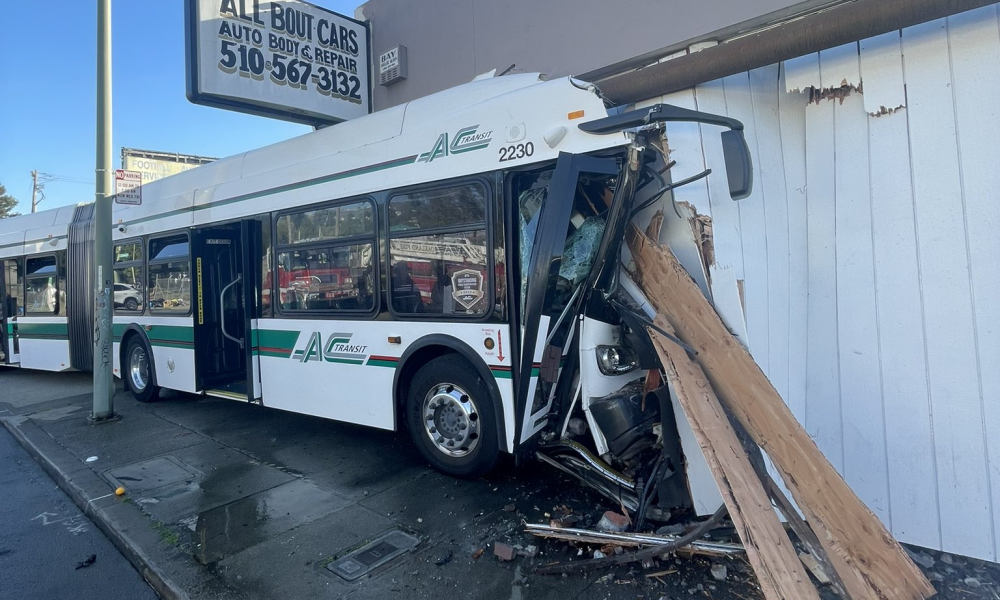
It’s almost midnight, and you’re just about to go to bed. ‘PING!’
A notification pops up on your phone. It’s a traffic alert for a crash that happened minutes ago on I-90 near Chicago. What you currently know is that the right lane is blocked, and there’s a possibility that minor injuries were sustained in the accident, and two parties were involved.
Whew, nothing serious happened, so you go to bed.
In the morning, you wake up, and you recheck that same news story while sipping your coffee, but you’re confused. You have to recheck that you’re reading the same news because the details are completely different. Turns out, there were no minor injuries; multiple people were rushed to the ER, and one person even died. How’s it possible that this is the same news you read yesterday? Was the initial coverage a complete fluke?
Well… turns out, no. Not really. Nobody messed up.
That first alert was just the very basics of what happened. And all the info came from a police dispatcher who gave only surface-level information about what the witness who called 911 said in the emergency call.
The crash happened, yes, but the first report isn’t even close to the final word.
How come?
What Happens Between That First Report and the Final Update
A crash happened, and someone called 911.
Unless they’re the most zen person in existence, they’re panicked, and all they can describe is what they can see from either their windshield or the side of the road. The dispatcher quickly jots down the basic information and sends it out to the police and the ambulances.
That right there is the very first piece of information that exists on that particular crash.
At the same time, first responders are starting to show up, and they couldn’t care less about reports. All they’re concerned with is helping as many people as they can and making sure no vehicle is on fire. Everything else, like gathering details on the accident, comes later. Sometimes, it comes MUCH later.
Then, where do those early headlines come from? Well, they come from bits and pieces someone gathers in those first few moments after the crash has happened. That’s why you won’t see any details, and it’s also why there could be major changes in what you see as time goes on.
The media can only put out what they know, but no matter how superficial their report is, it’s still important because people want to be aware of the conditions on the roads, especially in big cities with heavy traffic like Chicago.
Think about it – imagine accidents happening in the city and you know nothing about them. Not until you encountered the road blockade. What you get in those first few hours is basic information, some of which might not even be 100% accurate.
The details come later, like how many people were injured, what the extent of the injuries is, what the witnesses say, whether the case is going to court, and whether anyone has hired legal representation for severe injury victims in Chicago, etc.
Why It Takes Time for the Full Story to Be Pieced Together
It takes hours to get the full story, sometimes even days. And it’s not that there’s someone not doing their job. This is simply how it goes with evidence.
Here’s what takes time and why:
What Investigators Look at After the Scene Has Cleared
Investigators can’t do enough when the wrecked cars are blocking most of the scene, so once those have been towed, they can get to work. They’ll measure skid marks, look at the places where debris landed, figure out where each car hit, and none of that can happen right after the accident.
The priority is always making sure people are safe, and everything else (including collecting evidence) comes second.
Witness Accounts Can Change
After the crash has happened, witnesses commonly give bad/unreliable information.
That’s completely normal because everyone’s shaken up, and nobody can think straight, let alone remember the details. So, the police will follow up the day after and, for the most part, find that their stories have changed because they’ve calmed down.
Information on Vehicles and What It Reveals Later On
Modern cars are great because they record speed, braking, and impact timing. That’s extremely useful information, but you can’t get it at the crash scene. The car has to be towed, and someone has to download those files.
Details like these happen the next day, so it never gets included in the first news alert.
Official Updates Don’t Come Right Away
There would be no sense in releasing official updates if they aren’t verified, so officers will first compare their notes, and supervisors will review reports. Until information is verified, nothing gets out, and it’s for the best.
The media also wait for confirmations until they publish stories.
Conclusion
The most important thing to take away from this is that nobody’s lying. Everyone’s doing exactly what they’re supposed to do, and the process goes the way it does for a very good reason.
That first update you see has a very important purpose – it’s to let whoever’s currently in traffic (or plans to go into traffic shortly) know what’s going on. This way, they’ll be able to reroute more promptly or plan their route more efficiently.
But if you’re eager to hear all the details, then you might have to wait a couple of hours or even a day or two until facts have been gathered and sources have been verified in proper investigative fashion.



-
 Legal1 week ago
Man shot and killed by police after pointing gun at people in Austin, Texas
-
 World1 week ago
Death toll from wildfire in southern Spain rises to 13
-

 Politics1 week ago
U.S. sanctions 10 Cuban entities over repression and regime funding
-
 Legal6 days ago
Muslim mall worker critically injured in stabbing over his religion
-
 Legal6 days ago
New Mexico detective convicted of helping drug trafficker evade DEA operations
-
 Legal12 hours ago
Sinaloa Cartel leader ‘El Mayo’ sentenced to life in U.S. prison
-

 Legal1 week ago
New York man arrested after livestreaming threats to kill Donald Trump Jr.
-
 Legal1 week ago
Austin police release footage of fatal shooting of man who pointed gun at bystanders