
Business
How Advanced Charting Technology Is Changing the Daily Routine of Professional Traders

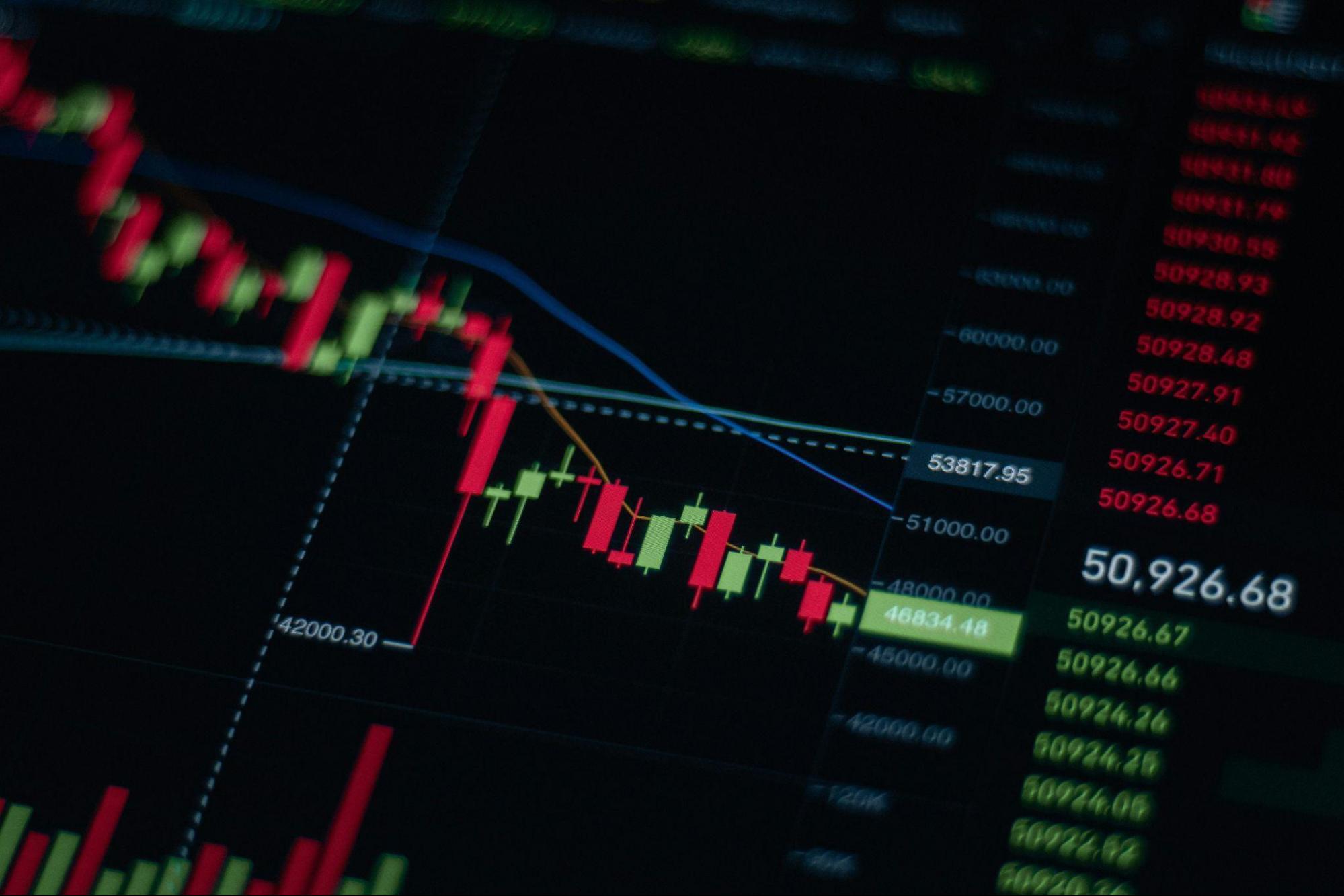
Professional traders still spend their days reacting to inflation data, central bank signals, geopolitical surprises, and abrupt swings in market sentiment. Yet how they process these events changes thanks to emerging technology. Advanced charting systems are acting as analytical partners that help filter information and highlight anomalies. The evolution of charting technology is also fundamentally changing how traders allocate their time by compressing workflows that once took entire mornings into minutes.
The Modern Trading Day Starts With Algorithms
There was a time when professional traders began the day by manually reviewing dozens of charts across multiple asset classes, searching for patterns, breakouts, or signs of momentum exhaustion.
Advanced charting platforms now continuously scan global markets, ranking opportunities based on volatility, liquidity shifts, momentum signals, or historical probability models. Instead of searching for trades manually, traders start their day with pre-filtered data generated by machine-learning systems.
Thinking about how financial markets generate an overwhelming amount of information every second, the appeal is obvious. No human can realistically process all of it in real time. AI-assisted charting tools attempt to solve that problem by narrowing the field.
Recent industry developments support this presumption. AI-assisted trading platforms are moving beyond experimental tools and becoming increasingly embedded in professional workflows. Platforms focused on automated technical analysis, pattern recognition, and quantitative research are attracting growing attention across equities, forex, and derivatives markets, as traders seek faster ways to process large volumes of market data.
Charts Are Becoming Full-Service Trading Hubs
Not so long ago, traders had to bounce between charting software, execution terminals, spreadsheets, economic calendars, and news feeds. Each transition means a delay in processing information because each delay matters.
Today, many advanced charting systems function more like complete trading ecosystems. Traders can execute positions directly from chart interfaces, manage risk parameters in real time, overlay macroeconomic indicators, and receive automated alerts, all within the same workspace.
One of the top charting tools, TradingView is a good example of a platform that has invested aggressively in this direction. It has integrated execution functions and customizable analytical environments into its ecosystem. This may sound like an incremental technological refinement, but in practice, it helps traders perform more effectively under pressure, particularly during periods of heightened volatility. In these moments, reducing operational lag by even a few seconds can materially affect execution quality.
Technical Analysis Is Becoming More Automated
Perhaps the biggest change among trading desks affects technical analysis itself. Traditional chart reading, which relied heavily on human interpretation, is being reformed. Now, advanced systems increasingly automate those functions, so traders manually drawing support zones, identifying wedge formations, or searching for repeating price structures might soon be history.
Modern platforms can detect structural breaks, volatility compression, liquidity gaps, and momentum divergence algorithmically. Some systems even assign probability weightings to patterns based on historical outcomes.
The value of technical expertise is, of course, not disappearing, but it is moving higher up the decision chain. The competitive advantage no longer lies solely in identifying a chart formation before someone else notices it. Most sophisticated traders now have access to broadly similar analytical tools. The advantage now comes from interpreting the broader context better than competitors.
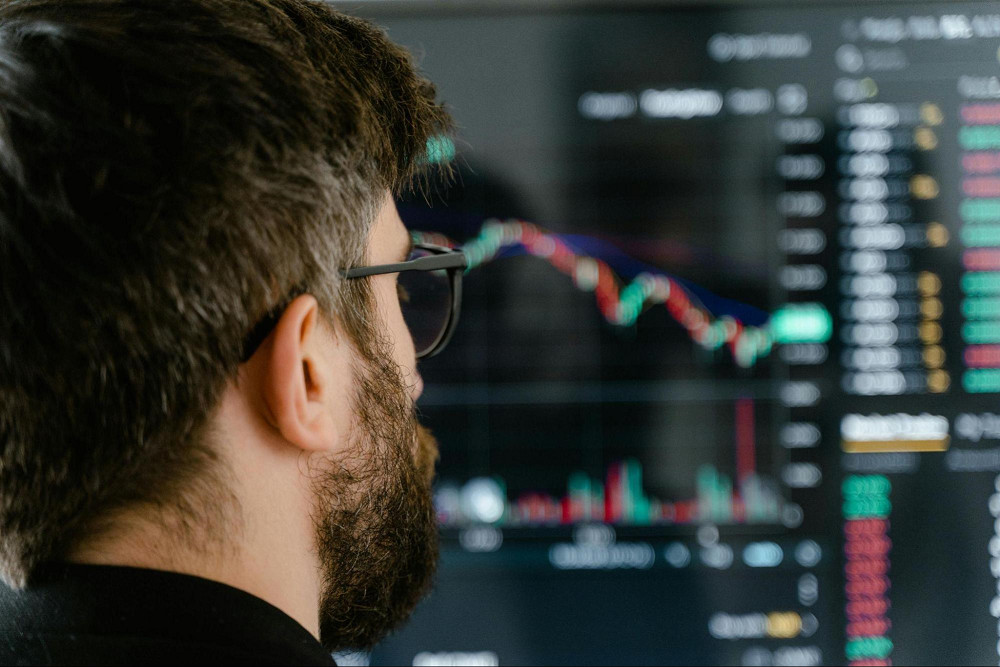
Multi-Asset Monitoring Has Become Central
Traders are monitoring more variables simultaneously than at any previous point in modern finance. Bond yields influence currencies. Commodity prices affect inflation expectations. AI spending cycles ripple through equity markets. Geopolitical tension reshapes energy pricing almost instantly.
Advanced charting platforms are evolving accordingly. Rather than forcing users to review isolated markets independently, systems increasingly allow cross-asset overlays and synchronized analysis across timeframes.
A currency trader, for example, may now monitor treasury yields, crude oil futures, equity index volatility, and dollar strength indicators from the same workspace. Correlations that once required manual comparison now appear automatically. Understanding relationships between markets moving together is valuable, and platforms capable of visualizing those relationships efficiently are in demand.
Traders Are Spending More Time Managing Risk
One unexpected consequence of advanced charting technology is that traders are spending less time predicting markets and more time managing exposure. They no longer need to monitor charts continuously, waiting for key levels to break. Systems can notify them instantly when pre-defined conditions are met.
The psychological impact is clear. Intelligent monitoring tools reduce some of the pressure that comes from constant screen-watching by outsourcing repetitive surveillance tasks to software.
This helps traders manage risk in an environment where uncertainty has become the norm. Central bank policy is difficult to forecast, geopolitical shocks arrive abruptly, liquidity conditions can shift within minutes… Thanks to the benefits of the new technology, traders are able to focus more on creating a flexible portfolio that can withstand shocks.

The Trading Profession Is Becoming More Strategic
The stereotype of traders reacting emotionally to flashing numbers across six monitors feels increasingly outdated.
The modern professional trading routine is becoming more structured, more analytical, and arguably less chaotic. AI-assisted systems handle much of the repetitive scanning and pattern recognition that once dominated the working day.
That leaves traders focusing on higher-level decisions.
Is market positioning overcrowded? How sustainable is momentum? Does macroeconomic context support the signal? Is liquidity likely to hold during execution?
These are judgment-based decisions rather than purely technical ones.
Ironically, as charting technology becomes more advanced, the human element inside trading may become more valuable rather than less. Machines excel at processing information rapidly. Humans still determine how much trust to place in that information when markets behave irrationally.


12-year-old, relative drown in Virginia pond during rescue attempt

3 women killed, over 30 injured in fireworks explosion in Mexico

1 dead, 6 injured in shooting at large party near Morgan Hill, California

Couple identified after family of 8 found dead in suspected Michigan murder-suicide
-
 World1 day ago
NATO intern arrested in Belgium over suspected espionage
-

 World5 days ago
Houthis claim missile and drone attacks on 2 Saudi oil tankers in Red Sea
-
 Legal13 hours ago
Couple identified after family of 8 found dead in suspected Michigan murder-suicide
-
 Politics4 days ago
U.S. sanctions new CJNG leader, more than 50 people and companies
-

 Legal4 days ago
2 Indianapolis police officers shot during disturbance call
-

 US News5 days ago
All 4 U.S. soldiers killed in Jordan and Iraq identified
-

 World5 days ago
Death toll from Guyana ferry disaster rises to 53
-
 Legal4 days ago
Puerto Rico man charged over threats to bomb White House, attack soldiers and Jewish people