
Reviews
Rising Costs Drive Increase in Home Remodeling Projects Across U.S.

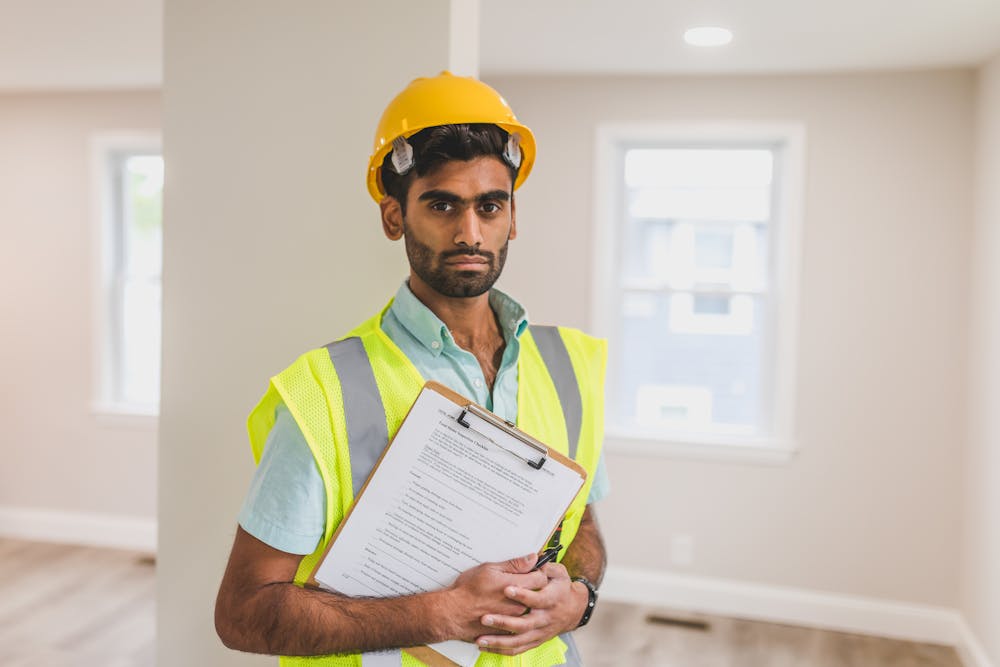
Rising housing costs and limited inventory in several U.S. markets are contributing to a growing trend: more homeowners are choosing to remodel their existing properties instead of moving. Industry observers say the shift reflects broader economic pressures, as well as changing priorities around space, comfort, and long-term value.
In regions such as California, interest in home remodeling sacramento projects has increased as property owners look for practical ways to upgrade their homes without entering a competitive and often expensive housing market. The trend is being driven by both financial considerations and the desire to adapt existing spaces to modern living needs.
Market Conditions Shaping Homeowner Decisions
Real estate data shows that home prices and mortgage rates have remained relatively high compared to previous years, making relocation less accessible for many buyers. At the same time, construction costs have also risen, influencing how homeowners approach renovation projects.
Despite these challenges, remodeling activity continues to grow. Rather than purchasing new homes, many individuals are choosing to invest in upgrades that improve functionality and extend the lifespan of their current properties.
Key factors contributing to the increase in remodeling include:
- High home prices in competitive markets
- Elevated mortgage rates limiting purchasing power
- Limited availability of move-in-ready homes
- Increased focus on maximizing existing space
These conditions have made remodeling a more practical and often more predictable option.
Focus on Functional Upgrades
Homeowners are increasingly prioritizing upgrades that offer both immediate benefits and long-term value. Kitchens, bathrooms, and structural improvements remain among the most common areas of focus.
Industry professionals note that remodeling projects are no longer driven solely by aesthetics. Instead, many homeowners are seeking improvements that enhance daily living while supporting property value.
Common remodeling priorities include:
- Modernizing outdated layouts
- Improving energy efficiency
- Upgrading key living spaces such as kitchens and bathrooms
- Addressing maintenance issues before they worsen
This shift reflects a more strategic approach to home investment, with an emphasis on practicality and efficiency.
Long-Term Implications for the Housing Market
Experts suggest that the increase in remodeling activity could have lasting effects on the housing market. As more homeowners choose to upgrade rather than sell, inventory levels may remain constrained, further influencing pricing trends.
At the same time, improved housing stock may contribute to higher overall property values, particularly in areas where demand continues to outpace supply.
Adapting to Changing Needs
The rise in remote work and changing lifestyle patterns has also played a role in remodeling decisions. Many households are reconfiguring their homes to support new routines, including home offices, multi-purpose spaces, and improved living areas.
Rather than relocating, homeowners are adapting their existing environments to better suit these evolving needs.
A Continued Shift Toward Renovation
While market conditions may fluctuate, the current trend suggests that remodeling will remain a key part of how homeowners manage their properties. The combination of economic pressure and lifestyle changes has reinforced the appeal of upgrading existing homes.
As a result, remodeling is increasingly viewed not just as an optional improvement, but as a practical response to a changing housing landscape.
Expanding Scope of Remodeling Projects
As demand for remodeling grows, the scope of projects is also evolving. Homeowners are no longer limiting upgrades to surface-level improvements. Instead, many are taking a more comprehensive approach, combining aesthetic changes with structural, functional, and efficiency-focused updates.
This includes rethinking how entire sections of a home are used. Open-concept living areas, expanded kitchens, and redesigned bathrooms are becoming more common, particularly in older homes that were not built for modern lifestyles. In many cases, these projects aim to improve both daily usability and long-term property performance.
Rising Interest in Energy Efficiency
Another factor contributing to the increase in remodeling activity is the growing focus on energy efficiency. As utility costs rise, homeowners are looking for ways to reduce consumption and improve overall performance.
Remodeling projects now often include upgrades such as improved insulation, energy-efficient windows, and modern appliances. These changes not only reduce monthly expenses but also make homes more attractive to future buyers who prioritize sustainability.
Impact on Local Economies
The increase in home remodeling activity is also having a noticeable impact on local economies. Demand for skilled labor, materials, and construction services has risen, supporting job growth in related industries.
Contractors, suppliers, and service providers are seeing increased activity, particularly in regions where housing market pressures are most pronounced. This has led to greater competition within the industry, as well as longer project timelines in some cases due to high demand.
Balancing Costs and Expectations
While remodeling offers many advantages, rising costs remain a challenge for homeowners. Labor, materials, and supply chain factors have all contributed to higher project expenses in recent years.
As a result, homeowners are becoming more selective about where they invest. Rather than pursuing large-scale luxury renovations, many are focusing on upgrades that deliver practical benefits and measurable value.
This has led to a greater emphasis on planning, budgeting, and prioritization. Homeowners are more likely to research projects thoroughly and consider long-term outcomes before making decisions.
A Structural Shift in Housing Decisions
The rise in remodeling reflects more than a temporary trend. It signals a structural shift in how homeowners respond to economic and lifestyle challenges.
Instead of relying on relocation to meet changing needs, many are choosing to invest in the homes they already own. This approach offers greater control over costs, design, and long-term outcomes.
As housing markets continue to evolve, remodeling is likely to remain an important strategy for homeowners seeking both stability and flexibility in an uncertain environment.


12-year-old, relative drown in Virginia pond during rescue attempt

3 women killed, over 30 injured in fireworks explosion in Mexico

1 dead, 6 injured in shooting at large party near Morgan Hill, California

Couple identified after family of 8 found dead in suspected Michigan murder-suicide
-

 World1 day ago
NATO intern arrested in Belgium over suspected espionage
-

 World5 days ago
Houthis claim missile and drone attacks on 2 Saudi oil tankers in Red Sea
-
 Legal13 hours ago
Couple identified after family of 8 found dead in suspected Michigan murder-suicide
-

 Politics4 days ago
U.S. sanctions new CJNG leader, more than 50 people and companies
-

 Legal4 days ago
2 Indianapolis police officers shot during disturbance call
-

 US News5 days ago
All 4 U.S. soldiers killed in Jordan and Iraq identified
-

 World5 days ago
Death toll from Guyana ferry disaster rises to 53
-

 Legal4 days ago
Puerto Rico man charged over threats to bomb White House, attack soldiers and Jewish people