
Reviews
Why Businesses Are Investing More in Digital Self-Service During Economic Uncertainty

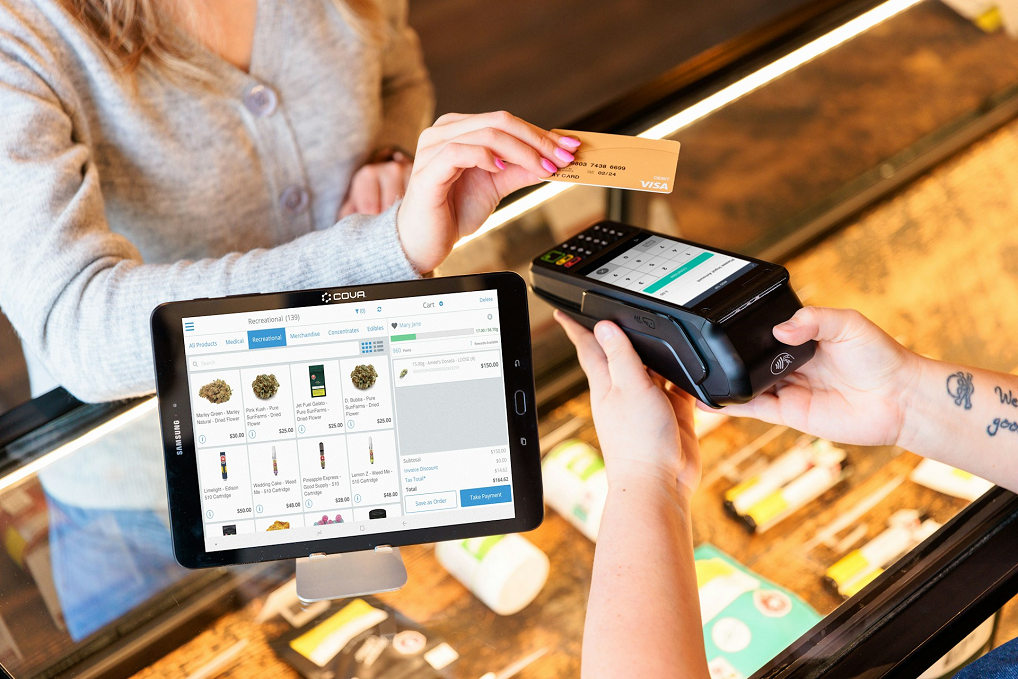
Economic uncertainty has changed the way businesses approach customer support, operational efficiency, and long-term planning. Companies across industries are now prioritizing digital experiences that reduce costs while maintaining strong customer satisfaction, and many decision-makers are researching how automated customer service tools can streamline support interactions, improve response times, and create more reliable self-service experiences during periods of financial pressure. As organizations face tighter budgets and shifting consumer expectations, digital self-service has become a practical strategy for improving resilience without sacrificing service quality.
The Shift Toward Cost-Efficient Customer Support
Businesses often feel the effects of economic instability through rising operational expenses and changing customer behavior. During uncertain periods, companies must find ways to maintain service standards while controlling staffing, training, and infrastructure costs. Digital self-service systems offer a solution by allowing customers to complete tasks independently without requiring direct support from live agents.
Many organizations are investing in AI-powered chat systems, knowledge bases, and virtual assistants to reduce pressure on customer service teams. These systems can handle repetitive requests, provide immediate answers, and support customers outside traditional business hours. As a result, businesses can maintain continuity while reducing the financial strain associated with large-scale support operations.
Changing Customer Expectations in a Digital Economy
Consumer expectations have evolved significantly over the past few years, especially as digital services became part of everyday life. Customers now expect fast answers, simple navigation, and immediate support regardless of the time of day. Businesses that fail to provide these experiences risk losing customer trust during already challenging economic conditions.
Digital self-service platforms help meet these expectations by giving users greater control over their interactions. Customers can track orders, update account information, resolve technical issues, and access support resources without waiting in long queues. This level of convenience has become increasingly important as people seek faster and more reliable digital experiences across industries.
Why Self-Service Supports Business Stability
Economic uncertainty often forces businesses to balance stability and scalability. Traditional support models can become difficult to maintain when customer demand fluctuates or budgets tighten unexpectedly. Digital self-service systems offer flexibility, enabling businesses to scale support operations without continually increasing labor costs.
Organizations also benefit from improved operational consistency through automation. Self-service platforms can deliver standardized responses and maintain service availability even during disruptions. This reliability helps businesses protect customer relationships while avoiding some of the risks associated with unpredictable economic conditions.
The Role of AI and Automation in Modern Service Models
Artificial intelligence has accelerated the growth of digital self-service by making customer interactions more accurate and personalized. Modern AI systems can analyze customer intent, recommend relevant solutions, and guide users through complex processes with greater efficiency than earlier automated systems. This technology allows businesses to offer better support experiences while keeping operational costs manageable.
Automation also reduces the burden placed on customer support teams by filtering routine inquiries before they reach human agents. Employees can then focus on more specialized or sensitive cases that require direct attention. During economic downturns, this balance becomes especially valuable because businesses can optimize staffing without significantly reducing service quality.
Building Long-Term Customer Confidence
Businesses are not only investing in digital self-service to save money in the short term. Many companies see these systems as long-term investments that improve customer trust and strengthen loyalty over time. When customers consistently receive quick and reliable support, they are more likely to continue engaging with a brand even during uncertain economic periods.
Reliable self-service experiences also help reduce frustration during high-demand periods when live support teams may be overwhelmed. Customers appreciate the ability to solve problems independently, especially when solutions are accessible through mobile devices and online platforms. This convenience contributes to a smoother customer journey and a stronger overall brand reputation.
The Future of Digital Self-Service Investments
As economic conditions continue to shift, businesses are expected to increase their investments in digital infrastructure and customer experience technology. Self-service platforms are becoming more sophisticated, with AI-driven personalization, voice recognition, and predictive support capabilities shaping the future of customer interaction. These innovations allow businesses to respond more effectively to changing customer needs while maintaining operational efficiency.
Companies that adopt flexible digital support systems today may be better positioned to adapt to future challenges. Economic uncertainty often highlights weaknesses in outdated processes, encouraging businesses to modernize their service strategies. Digital self-service is no longer viewed as a secondary support option but as a central part of long-term business resilience and customer engagement.
In a rapidly changing economy, businesses are under increasing pressure to operate efficiently while still delivering excellent customer experiences. Digital self-service solutions provide a practical way to balance cost management, customer satisfaction, and operational flexibility during uncertain times. As technology continues to evolve, companies that invest in smarter and more accessible support systems are likely to remain more competitive, adaptable, and


Illinois man charged with threatening to attack Fort Bliss personnel and families

San Diego deputy sentenced for shove that fractured detainee’s spine

Sinaloa Cartel lieutenant charged with narcoterrorism in U.S. fentanyl case

Added floors likely caused instability at Midtown Manhattan tower – WSJ
-

 Legal3 days ago
6 shot, 1 killed, at San Antonio apartment complex
-

 World1 week ago
14 killed in Saudi oil company helicopter crash
-

 US News1 week ago
Texas deputy killed by truck at drunk-driving crash scene
-

 World1 week ago
Poland breaks its national heat record amid European heatwave
-

 Politics2 days ago
U.S. condemns China’s submarine ICBM test into Pacific
-

 Legal7 days ago
7 sentenced in Texas detention center attack that wounded officer
-

 World6 days ago
10 Buddhist monks killed when 11-year-old crashes pickup truck in Thailand
-

 Legal2 days ago
Police sergeant, mother and daughter killed in Ohio shooting; suspect dead