
Reviews
What Makes Truck Accident Cases Different From Other Claims

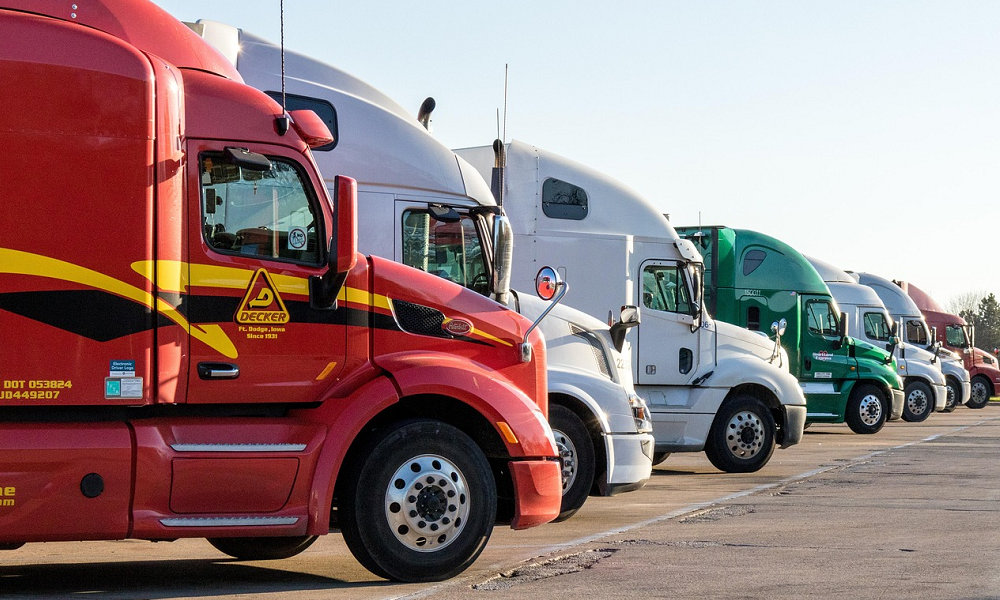
Everett’s position as a major transportation and industrial center makes commercial trucking an essential part of daily life throughout the region. Freight vehicles move through local highways and business corridors every day, supporting manufacturing, retail distribution, construction, and countless other industries that help drive the area’s economy. While most trips are completed safely, accidents involving large commercial trucks can have consequences that differ significantly from those associated with ordinary passenger vehicle collisions.
For injured individuals and their families, understanding these distinctions is an important step toward protecting their rights and making informed decisions after a serious crash. Those seeking guidance from firms such as Murphy Trial Law often benefit from learning why trucking-related claims require a unique legal approach from the very beginning.
Federal Rules Matter
Commercial carriers operate under safety rules that do not apply to most private motorists. Those standards cover driving hours, vehicle inspections, driver fitness, maintenance duties, and cargo securement. State negligence law still matters, yet federal regulations can offer a direct measure of unsafe conduct. That added layer changes how lawyers frame breach, causation, and notice. It also gives juries a clearer benchmark for judging preventable risk.
Vehicle Size Changes Harm
A loaded tractor-trailer can weigh many times more than a passenger car. That mass affects braking distance, crash energy, underride risk, and rollover force. Injuries often include traumatic brain damage, spinal cord compromise, internal bleeding, crush fractures, and severe soft tissue destruction. Medical treatment may continue for months or years. As losses grow, disputes over prognosis, future care, and work limits usually grow with them.
Evidence Disappears Fast
Truck cases demand speed because key proof can vanish during normal business operations. Electronic logs may be overwritten. Dash video can disappear after short retention periods. Damaged components may be repaired, recycled, or discarded before anyone inspects them. Cell phone records, dispatch messages, and onboard data may also have limited availability. Delay can leave injured people arguing from fragments rather than complete facts.
Liability Can Split Several Ways
A standard car case may focus on one careless act. On the other hand, truck litigation often asks whether several entities failed at different stages of a trip. The driver may have ignored fatigue. The carrier may have pushed an unsafe schedule. A maintenance shop may have missed worn brakes. Cargo handlers may have loaded freight poorly. Each potential failure alters discovery, expert review, and the settlement posture.
Insurance Structures Differ
Commercial insurance usually carries higher limits than personal auto coverage, but larger policies do not make recovery easier. Carriers and insurers often respond within hours. Defense investigators may inspect the scene, photograph the vehicles, contact witnesses, and shape early narratives before an injured person leaves the hospital. That quick institutional response can affect access to proof long before a claim is fully understood.
Damages Reach Farther
Truck crashes often result in losses that extend well beyond emergency treatment and vehicle repair. A survivor may face chronic pain, limited mobility, reduced earning capacity, and permanent dependence on assistive care. Home modifications, rehabilitation plans, and long-term medication costs can become central issues. Because those needs unfold over time, damage analysis usually requires more extensive medical support than in a routine fender-bender case.
Industry Practices Become Evidence
These claims often examine company conduct, not just roadway behavior. Lawyers may study training materials, safety audits, hiring standards, supervision records, and prior rule violations. That evidence can show whether a crash resulted from one bad decision or a pattern of tolerated risk. Jurors may view a carrier differently if unsafe scheduling, weak screening, or poor oversight appear in the record.
Settlement Timing Often Shifts
Many ordinary auto claims resolve after repair estimates and short treatment records arrive. Truck cases often move more slowly because more documents must be obtained and reviewed. Reconstruction specialists, trucking safety experts, economists, and medical planners may all influence value. Early offers can miss the true cost of lasting injury. A fair resolution usually requires patience, complete proof, and a stable medical picture.
Conclusion
Truck accident cases stand apart because they combine violent injury, technical regulations, corporate recordkeeping, and multiple potential sources of fault. That mix changes how liability is investigated, how evidence is preserved, and how damages are calculated. While every collision depends on its own facts, trucking litigation usually calls for faster action and broader analysis than an ordinary motor vehicle claim. The difference is structural, and it affects nearly every decision that follows.


Illinois man charged with threatening to attack Fort Bliss personnel and families

San Diego deputy sentenced for shove that fractured detainee’s spine

Sinaloa Cartel lieutenant charged with narcoterrorism in U.S. fentanyl case

Added floors likely caused instability at Midtown Manhattan tower – WSJ
-
 Legal3 days ago
6 shot, 1 killed, at San Antonio apartment complex
-

 World1 week ago
14 killed in Saudi oil company helicopter crash
-
 US News1 week ago
Texas deputy killed by truck at drunk-driving crash scene
-

 World1 week ago
Poland breaks its national heat record amid European heatwave
-
 Politics2 days ago
U.S. condemns China’s submarine ICBM test into Pacific
-
 Legal7 days ago
7 sentenced in Texas detention center attack that wounded officer
-
 World6 days ago
10 Buddhist monks killed when 11-year-old crashes pickup truck in Thailand
-
 Legal2 days ago
Police sergeant, mother and daughter killed in Ohio shooting; suspect dead